
Table of Contents

Introduction to the New Year Reset
The concept of a “New Year Reset” has gained increasing attention as individuals seek effective methods to revitalize their goals and aspirations for the year ahead. This approach emphasizes the importance of pausing and re-evaluating personal intentions rather than simply adopting resolutions, which often prove to be unsustainable. A New Year Reset allows for a refreshing reconsideration of priorities, fostering an environment conducive to long-lasting change.
Many resolutions falter for various reasons, such as unrealistic expectations, lack of commitment, or the absence of a structured plan. Commonly, individuals set grandiose goals without a clear understanding of the incremental steps needed to achieve them. This lack of a solid foundation can lead to frustration and eventual abandonment of those goals. In contrast, a New Year Reset encourages introspection, helping individuals understand their motivations and making them more likely to remain committed.
The significance of this initiative lies in its simplicity and efficacy. By identifying specific areas in life that require attention, individuals can formulate practical strategies to navigate challenges more effectively. A New Year Reset not only rejuvenates one’s focus but also facilitates a holistic approach to personal development. Setting intentions in this manner can create a synergy between aspirations and actionable steps, increasing the likelihood of success.
In pursuing a New Year Reset, individuals are invited to reflect on past experiences and the lessons learned. This critical analysis lays the groundwork for crafting new goals that are meaningful and achievable. As the New Year approaches, embracing this reset can position individuals to enter the year with clarity and purpose, making it a transformative experience rather than just another cycle of resolutions.
The Importance of Self-Reflection
Self-reflection plays a crucial role in the New Year Reset process, serving as a powerful tool for personal growth and development. At the end of each year, it is essential to take the time to evaluate the experiences, achievements, and challenges encountered. This practice allows individuals to gain insights into their lives, helping them navigate the path forward with greater clarity and purpose.
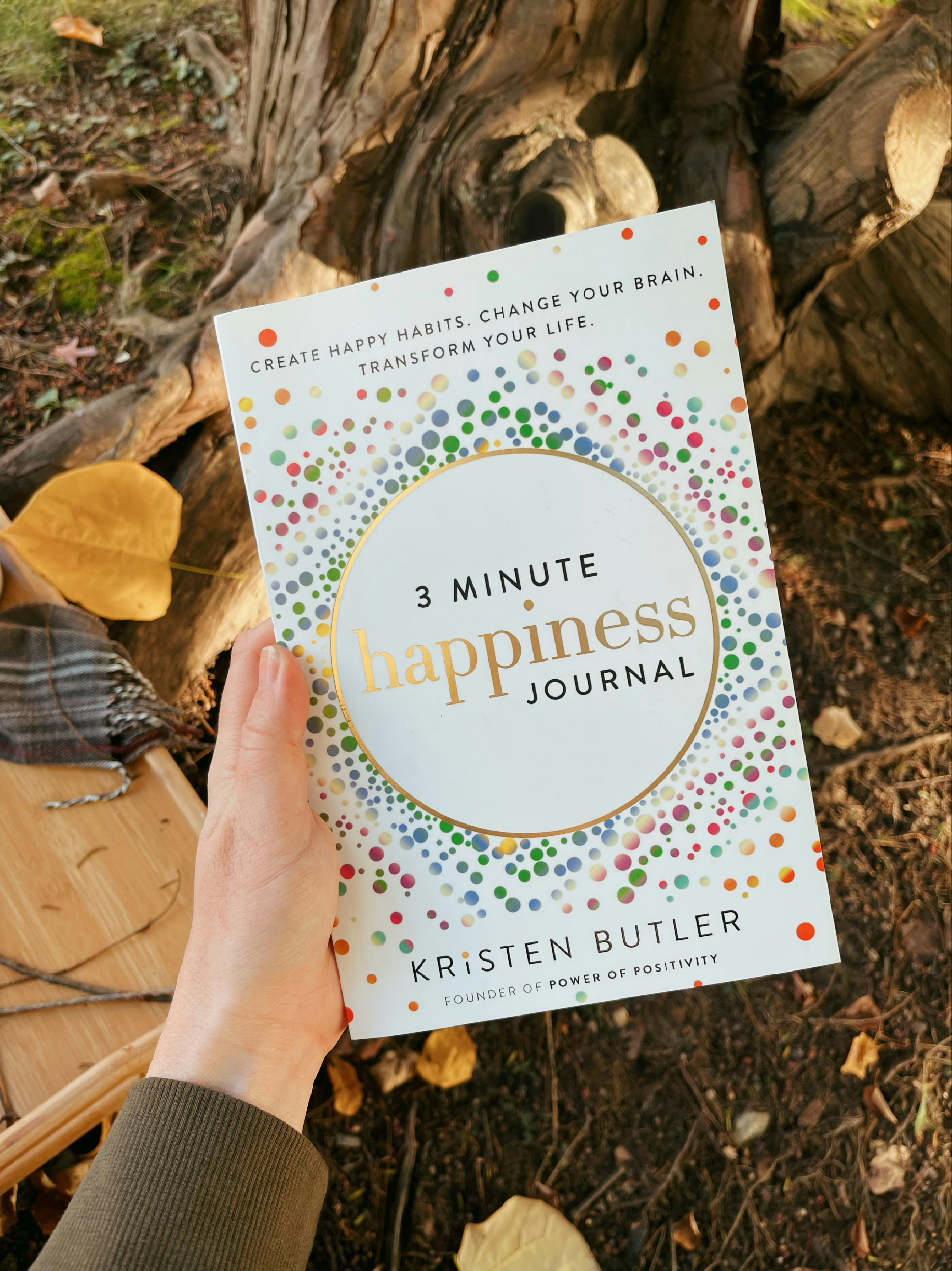
One effective method for self-reflection is to create a journal where thoughts and experiences from the past year are recorded. This can include significant accomplishments, milestones reached, and even struggles faced. By documenting these reflections, individuals can appreciate their achievements and acknowledge the efforts that contributed to them. It also provides an opportunity to express gratitude for the positive aspects of life and allows for a more profound understanding of one’s emotional responses throughout the year.
In addition to recognizing achievements, self-reflection is vital for identifying areas for growth and improvement. By critically assessing previous experiences, one can pinpoint recurring patterns, behaviors, and choices that may have hindered progress. This awareness paves the way for setting realistic and stimulating goals for the New Year, as it encourages the formulation of actionable strategies aimed at overcoming personal hurdles.
Furthermore, self-reflection fosters resilience by encouraging individuals to learn from their past. Instead of viewing setbacks as failures, individuals can reframe these moments as valuable lessons. This shift in mindset is crucial in building a positive outlook for the upcoming year, making the New Year Reset process not just an exercise in reflection but a foundational step towards meaningful change and growth.
Setting Achievable Goals
Setting achievable goals is integral to fostering personal growth and ensuring success as the New Year unfolds. Utilizing the SMART criteria serves as a guiding framework in this process, where goals are defined as Specific, Measurable, Achievable, Relevant, and Time-bound. This structured approach not only clarifies objectives but also enhances motivation and accountability.
First, specificity is critical. A goal such as “I want to get fit” should be revised to a more specific version like “I will exercise for at least 30 minutes, five days a week.” This specificity clarifies what needs to be achieved, laying a solid foundation for measurable outcomes. The next element, measurability, is about quantifying progress. Using the previous example, tracking workout days in a calendar can help assess adherence to the exercise schedule.
Achievable goals are vital for maintaining motivation. Setting targets that are too lofty, such as “I will run a marathon in a month,” can lead to discouragement. Instead, consider setting smaller goals, like running a 5k, which can gradually build confidence and capability. Additionally, relevance ensures that the goals align with personal values and long-term aspirations. It is crucial to evaluate whether the chosen goals are significant enough to warrant the required commitment.
Time-bound objectives foster urgency and clarity. Establishing a deadline, such as “I will complete a half-marathon by December 2024,” encourages individuals to remain focused and committed. Furthermore, maintaining accountability is essential for sustained motivation. This can be achieved by sharing goals with friends or family and checking in regularly. Utilizing apps for tracking progress can also enhance accountability.
In summary, by setting SMART goals, individuals can navigate the year ahead with a structured and effective plan that promotes personal development and success.
Creating a Vision Board
A vision board is a powerful visual tool designed to help individuals clarify and focus on specific goals and aspirations. By compiling images, quotes, and other elements that resonate with one’s desires, a vision board serves as a tangible reminder of what one wishes to achieve. The act of creating a vision board can significantly enhance motivation by providing a clear representation of goals for the New Year.
The first step in creating an effective vision board is to set aside adequate time and space for reflection. Begin by identifying your aspirations for the upcoming year. These can encompass various aspects, such as health, career, relationships, and personal development. Consider what you truly desire and what would contribute to your overall well-being. Once these goals are established, you can move forward to the next phase.
Gather materials that will help bring your vision board to life. These can include magazines, printed images, craft supplies, and even digital tools such as online platforms. Thoughtfully select images, words, and quotes that evoke strong emotions related to your goals. This selection process is instrumental in visualizing your future self and the achievements you wish to manifest.
When constructing the vision board, arrange the chosen elements in a manner that speaks to you. There is no right or wrong way to order them; rather, the arrangement should inspire and motivate you daily. Once completed, place your vision board in a prominent location where you will see it frequently during the year. The repeated exposure to your aspirations can enhance focus and maintain motivation.
In conclusion, a vision board is not merely an artistic endeavor; it is a deliberate practice that enhances visualization and manifestation of goals. This New Year, harness the power of a vision board to channel your aspirations into achievable actions, and observe how your focused intentions can help shape your reality.
Establishing New Habits
Establishing new habits is a fundamental component of achieving meaningful goals, especially as we embark on a new year filled with fresh opportunities. At the heart of habit formation lies a robust body of research defining how habits are created and maintained. Neuroscience shows that habits form through a process called “chunking,” where repeated behaviors become automatic responses to specific cues. This understanding can assist individuals in effectively developing new habits that sustain long-term behavioral change.
To start the process of establishing new habits, it is essential to identify clear, specific goals. Rather than broadly stating an intention to be healthier, one might set a measurable goal, such as exercising for 30 minutes three times a week. This specificity allows the goal to be more achievable and promotes consistency. Additionally, aligning new habits with existing routines can enhance their success rate. For instance, if someone aims to incorporate meditation into their daily life, doing so after their morning coffee can create a strong mental association.
Accountability plays a critical role in habit formation. Sharing intentions with supportive friends or joining a community can provide motivation and encouragement, making it easier to stick with new behaviors. Moreover, using tracking tools or journals can offer insights into progress and obstacles encountered along the way. Visual reminders, such as charts or apps, can serve as prompts, helping to reinforce behavior change.
Finally, it’s important to be patient and compassionate with oneself during this journey. Research indicates that it typically takes around 66 days for a new habit to become automatic, but the timeline may vary based on individual circumstances. Therefore, celebrating small victories can foster a positive mindset, giving the individual the resilience to continue pursuing their goals. By implementing these strategies and understanding the science of habit formation, one can effectively establish new habits that are not only beneficial but also sustainable in the long term.
The Role of Gratitude
As we approach a new year, incorporating gratitude into our daily routines can significantly enhance our overall well-being and foster a more positive outlook on life. The practice of gratitude involves recognizing and appreciating the positive aspects of our lives, which can help transform our mindset from one of scarcity to one of abundance. Research has shown that regular engagement in gratitude practices can lead to improved mental health, better sleep, and even increased resilience in facing life’s challenges.
One effective method of practicing gratitude is through journaling. Setting aside time each day to write down three to five things for which one is grateful can shift focus away from negativity and stress. This simple act encourages reflection on positive experiences, whether they are big milestones or small daily joys. Moreover, this practice not only cultivates a sense of appreciation but also enhances self-awareness, allowing individuals to recognize and celebrate the good in their lives.
Another powerful approach to gratitude is expressing appreciation directly to others. Whether it is through a handwritten note, a phone call, or even a face-to-face conversation, letting someone know how much their actions mean to you can strengthen relationships and build a supportive network. This practice not only reinforces social bonds but also creates a cycle of positivity, as expressing gratitude often encourages others to adopt a similar mindset.
Incorporating gratitude into daily habits can be as simple as starting or ending each day with a moment of reflection. Taking a few minutes to ponder what made the day special or what one is looking forward to can instill a sense of optimism and joy. Overall, making gratitude a consistent part of your routine can contribute to a successful reset as the new year unfolds.
Accountability: Finding Your Support System
Establishing accountability is crucial in the journey toward achieving personal goals. It fosters a sense of responsibility, driving individuals to stay committed to their resolutions. Moreover, having a reliable support system can enhance motivation and provide encouragement during challenging moments. Without accountability, it is easy to lose sight of objectives and succumb to distractions, resulting in unfulfilled aspirations.
To effectively cultivate accountability, first identify individuals in your life who demonstrate positive qualities and share similar goals. This can include friends, family, or even colleagues who are supportive and encouraging. Consider forming an accountability group where each member can periodically check in with one another, share progress updates, and discuss any obstacles faced. This collective effort not only motivates individuals but also fosters a sense of camaraderie.
Additionally, technology can serve as a valuable ally in maintaining accountability. Numerous apps and online platforms allow users to set goals, track their progress, and connect with others who have similar aspirations. Engaging in online communities tailored to your interests can provide both support and resources, reinforcing your commitment to your objectives.
In some cases, professional support may be beneficial. Seeking guidance from a coach or mentor can provide accountability through tailored advice and structured goal-setting strategies. Such professionals often possess expertise in specific areas and can offer insights that might not be apparent from casual interactions.
Ultimately, the key to effective accountability lies in consistent communication and fostering a nurturing environment. Regularly reflecting on your journey and celebrating small victories along the way can reinforce motivation. The presence of a supportive network can significantly determine your success in reaching your New Year’s resolutions, making accountability an invaluable component in your path toward personal growth.
Monitoring Progress and Adjusting Plans
Monitoring progress is essential for achieving the goals set during a New Year reset. Without regular assessments, individuals may easily drift off course or lose sight of their objectives. Therefore, incorporating systematic approaches to track progress can greatly enhance the likelihood of success.
One effective method to monitor progress is the use of a digital or physical planner, which can help individuals document their goals and the steps needed to achieve them. There are numerous apps available that facilitate task management, such as Todoist, Trello, or Asana, which allow users to set deadlines, track tasks, and visualize their progress through interactive charts and lists. By utilizing these tools, individuals can gain clarity on what has been accomplished and what still requires attention, promoting accountability.
Additionally, regular check-ins are vital. Scheduling periodic reviews—perhaps once a month—can provide opportunities to evaluate how well one is adhering to their plan. During these evaluations, it is important to consider what strategies are working and which need modification. This introspection can lead to the realization that certain goals may need to be adjusted, either to make them more realistic or to align better with changing circumstances and priorities.
Furthermore, establishing measurable indicators of success can promote a clearer understanding of progress. Setting specific, measurable, achievable, realistic, and time-bound (SMART) goals enables individuals to measure their achievements effectively. This approach shifts the focus from merely completing tasks to understanding the impact of those tasks on overall objectives. Therefore, employing both reflective practices and tracking tools can create a dynamic framework, allowing for the necessary adjustments to ensure ongoing alignment with desired outcomes.
Conclusion: Embracing the Journey Ahead
As we conclude our exploration of a simple yet effective New Year Reset, it becomes imperative to understand that this journey is one of continuous growth and self-discovery. Embracing change can often feel daunting, but with an open mindset, individuals can navigate the challenges that accompany the initiation of new habits and aspirations. The New Year presents a unique opportunity to reflect on past experiences and to set intentions that align with one’s authentic self.
It is essential to approach this reset not as a one-time event but rather as a fluid process. Personal growth involves adapting to circumstances and learning from both successes and setbacks. Each step taken towards achieving your goals contributes to your evolving narrative, guiding you towards a more purposeful life. This journey requires patience and compassion towards oneself, acknowledging that transformation is often nonlinear.
Moreover, it is crucial to remain open to new experiences and perspectives throughout the year. Engaging with different methodologies and strategies for personal development can lead to surprising breakthroughs and insights. Remember, the essence of a New Year Reset lies not solely in setting resolutions, but in fostering a resilient mindset that allows for adaptation as life unfolds.

As we prepare to embrace the new year, let us commit to the journey ahead with intention and courage. Whether it involves setting ambitious goals or focusing on small, manageable changes, each action taken is a step towards self-improvement. By embracing the process and remaining flexible in our approach, we can ensure that this New Year Reset is truly transformative and enriching.