
Table of Contents

The Power of Small Changes
As the new year commences, many individuals adopt an ambitious mindset, often overwhelming themselves with lofty resolutions. However, embracing small life changes can yield substantial benefits for both well-being and productivity. Small changes, when accumulated, create a ripple effect that can significantly enhance one’s quality of life. In this context, the term “small changes” refers to minor adjustments or habits that can be easily integrated into daily routines. These incremental shifts often require less effort and are more sustainable long-term.
The reason behind the success of small changes lies in their inherent achievability. By setting realistic and manageable goals, individuals can maintain motivation and track their progress effectively. For instance, instead of committing to a rigid exercise regimen, one might start by incorporating a daily 10-minute walk into their routine. This approach not only boosts physical health but also builds a sense of accomplishment, which can motivate further positive changes.
Moreover, small changes can lead to significant improvements across various facets of life, from mental well-being to professional productivity. A focus on minor adjustments allows individuals to become more adaptable and receptive to transformation. For example, dedicating just five minutes each day to mindfulness or journaling can enhance emotional intelligence and self-reflection, promoting deeper connections with oneself and others. Similarly, gradually adjusting sleep habits or dietary choices can contribute to improved physical health.
In summary, embracing small life changes not only fosters a sense of agency but also lays the groundwork for lasting transformations. The significant impacts of these seemingly minor shifts provide individuals with the necessary momentum to create meaningful and sustained improvements in their lives as they embark on the new year.
Start with Your Morning Routine
A morning routine serves as a foundation for a productive day. By dedicating just 15 minutes to enhancing this routine, individuals can significantly improve their overall well-being and mindset. The key is to start small, allowing room for gradual adjustments that can lead to profound change.
Waking up even a quarter of an hour earlier may appear insignificant at first, yet this minor change can create a ripple effect throughout the day. With this newfound time, individuals can invest in self-care activities such as stretching, meditation, or preparing a nutritious breakfast. Stretching helps to wake up the body, improving flexibility and circulation, which are essential for a productive day. Incorporating a few calming minutes of meditation can also establish a sense of mindfulness, enabling individuals to approach challenges with a clear and focused mind.
Nutrition is another crucial element to consider in a morning routine. A healthy breakfast not only provides energy but also enhances concentration and cognitive functions. Whole grains, fruits, and proteins can make a considerable difference in sustaining energy levels throughout the morning.
The psychological benefits of establishing a purposeful morning routine are profound. Engaging in activities that promote mindfulness and physical health sets a positive tone for the rest of the day. This commitment to self-improvement fosters a sense of accomplishment early in the day, paving the way for increased productivity. In this way, a morning routine becomes more than just a series of tasks; it transforms into a mindful ritual that sets the stage for success.
Incorporate Mindfulness in Daily Life
Mindfulness is the practice of being fully present and engaged in the current moment, aware of one’s thoughts and feelings without judgment. This approach to life can significantly enhance well-being, particularly by reducing stress and improving focus. In today’s fast-paced world, where distractions are prevalent, incorporating mindfulness can result in greater clarity and stability in one’s daily activities.
The benefits of mindfulness are widely acknowledged in psychological research. Regularly practicing mindfulness can lead to decreased levels of anxiety and depression, while also increasing emotional resilience. Engaging in this practice allows individuals to recenter their thoughts, boost their concentration, and foster a sense of peace, ultimately enabling a more fulfilling existence.
There are simple yet effective ways to integrate mindfulness into everyday routines. One of the most accessible methods is practicing mindful eating. By taking deliberate time to appreciate the flavors, textures, and aromas of food, individuals can cultivate a greater appreciation for their meals and enhance their relationship with food. This practice can turn a mundane activity into a conscious experience that nourishes both body and mind.
Additionally, taking short breaks throughout the day to breathe deeply can greatly uplift mental clarity. A few minutes of slow, controlled breathing can serve as a reset, allowing one to approach tasks with renewed vigor. Furthermore, being present during conversations—actively listening and engaging without the distraction of phones or other interruptions—can lead to deeper, more meaningful connections with others.
Incorporating mindfulness into daily life does not require extensive time commitments. Instead, small adjustments to routines can lead to significant improvements in mental health and overall life satisfaction. By embracing mindfulness, individuals can pave the way to a calmer, more focused, and ultimately more fulfilling life.
Embrace the 2-Minute Rule
The 2-Minute Rule is a practical strategy designed to help individuals overcome procrastination and streamline daily routines. The core principle of this rule is straightforward: if a task can be completed in two minutes or less, it is advisable to tackle it immediately. This approach not only minimizes clutter but also contributes to a more organized and efficient lifestyle.
By immediately addressing small tasks, individuals can prevent the accumulation of minor responsibilities that often lead to overwhelm. Common examples of tasks suitable for the 2-Minute Rule include replying to a brief email, making a quick phone call, or tidying up your workspace. These seemingly insignificant actions, when delayed, can create an unnecessary backlog, leading to increased stress and reduced productivity.
This rule encourages a proactive mindset, as taking action on short tasks can also foster a sense of accomplishment. Each completed task adds to one’s motivation, creating a positive feedback loop that can enhance overall efficiency. Implementing the 2-Minute Rule can dramatically alter the way individuals approach both personal and professional responsibilities, as it encourages a shift in focus towards immediate action rather than deferral.
Furthermore, the habit of completing quick tasks can improve time management skills. As individuals start to adopt this routine, they may find themselves becoming more adept at prioritizing and organizing their time. This not only leads to enhanced efficiency but also provides more opportunities to engage in larger, more fulfilling projects without the distraction of unfinished minor tasks.
Incorporating the 2-Minute Rule into daily life can ultimately result in a significant decrease in stress and an increase in productivity, making it a small life change that brings about a big difference.
Set a Daily Gratitude Practice
Incorporating a daily gratitude practice into your life can lead to significant improvements in overall well-being. Research has consistently shown that expressing gratitude can enhance psychological health, resulting in increased happiness, reduced stress, and an overall sense of satisfaction. Engaging in practices that promote gratitude allows individuals to shift their focus from what may be lacking in their lives to an appreciation for what they already possess.
One of the simplest and most effective methods to cultivate gratitude is through the use of a gratitude journal. By setting aside just a few minutes each day to write down three things for which you are thankful, you can actively train your mind to recognize the positive aspects of your daily experiences. This practice not only provides a tangible record of gratitude, but also helps to foster a more optimistic outlook over time.
Moreover, expressing appreciation to others is another powerful way to integrate gratitude into your daily routine. Whether it is through kind words, handwritten notes, or small gestures, acknowledging the contributions and efforts of those around you can strengthen relationships and create a supportive environment. This expression of gratitude not only benefits the recipient but also enhances the giver’s emotional well-being.
The psychological benefits of adopting a daily gratitude practice are vast. Individuals who consistently engage in gratitude exercises report lower levels of depression and anxiety, as well as higher levels of self-esteem. By making gratitude a priority in your life, you actively combat negative thoughts and promote a more positive mental state. As you embark on a new year, consider implementing a daily gratitude practice as a small yet impactful change that can greatly enhance your emotional resilience and overall happiness.
Prioritize Hydration
Hydration is a fundamental aspect of maintaining optimal health, yet it is often overlooked in the hustle and bustle of daily life. Proper water intake is essential for a myriad of bodily functions, including regulating temperature, lubricating joints, and facilitating nutrient absorption. Even a small increase in daily water consumption can have profound effects on energy levels and cognitive performance, making the prioritization of hydration a key component of any health-enhancing strategy.
Research suggests that dehydration can lead to fatigue, mood fluctuations, and impaired concentration. For example, studies have shown that just a 1-2% decrease in body water can negatively affect cognitive functions such as memory, attention, and reaction times. Therefore, committing to adequate water consumption plays a crucial role in maintaining alertness and productivity throughout the day.
To incorporate better hydration practices into daily routines, consider carrying a refillable water bottle. This simple action serves as a constant reminder to drink water regularly, making it easier to meet daily hydration goals. Additionally, setting specific times during the day to drink water—such as after each meal—can create a structured habit that naturally increases fluid intake.
Tracking water intake can also be effective. Mobile apps or even a simple checklist can help individuals monitor their consumption and reinforce the habit of drinking enough water. Even small behavioral adjustments, such as opting for water instead of soda, can accumulate over time and contribute to better health outcomes.
Incorporating these small changes does not require a complete lifestyle overhaul but can make a significant difference in overall health. By prioritizing hydration, individuals can enhance their vitality and cognitive function, making the New Year an opportunity for positive health transformations.
Establish Boundaries to Improve Relationships
In today’s fast-paced world, establishing clear boundaries can significantly enhance personal well-being and cultivate healthier relationships. Boundaries are pivotal in defining acceptable behavior, fostering mutual respect, and ensuring emotional safety. By saying ‘no’ to unnecessary commitments and asserting one’s needs, individuals can create a more positive environment for themselves and others.
Setting boundaries is not merely about limiting interactions; it is about enhancing their quality. For instance, when faced with persistent negativity, whether from colleagues or friends, it is crucial to communicate one’s limits effectively. By doing so, individuals take charge of their emotional landscape, reducing stress and fostering healthier dynamics.
To communicate boundaries effectively, consider using ‘I’ statements, which express personal feelings without blaming others. Phrases such as “I need some time to recharge” can clearly convey the message without sounding confrontational. It is also beneficial to choose the right time for these discussions, ensuring that emotions are managed and interactions remain constructive. A calm demeanor aids in facilitating understanding and acceptance.
Another helpful tip is to practice assertiveness. This entails expressing one’s needs confidently while remaining respectful to others’ viewpoints. Recognizing that setting a boundary is a personal choice is essential; it does not require justification to others. Remember, the ultimate goal is to protect one’s mental health and nurture meaningful connections.
Lastly, maintain consistency. When boundaries are established, it is imperative to uphold them. Being consistent sends a clear message to others about the seriousness of one’s limits, fostering a culture of respect. By integrating these strategies, individuals can effectively establish boundaries that lead to healthier relationships and improved personal well-being.
Engage in a New Hobby or Skill
As the New Year approaches, many individuals reflect on their lives and consider making positive changes. One powerful way to enhance personal fulfillment is by engaging in a new hobby or skill. Stepping outside of one’s comfort zone can lead to significant personal growth, satisfaction, and even joy. Embracing new experiences not only broadens one’s horizons but also enriches daily life.
Exploring new hobbies provides an opportunity for self-discovery and creativity. It could be learning a musical instrument, painting, gardening, cooking, or even taking up a new sport. These activities do not need to be overly ambitious; the key lies in selecting achievable goals that stimulate your interest. For instance, joining a community art class may kindle a passion for painting, while attending a cooking workshop might open doors to culinary possibilities you never considered before.
Pursuing a new skill can also improve mental health and well-being. Engaging in hobbies allows individuals to relax and temporarily disconnect from the stresses of daily life. Moreover, dedicating time to personal interests fosters a sense of accomplishment. When one witnesses the fruits of their labor—be it a completed painting or a well-cooked meal—it instills a sense of pride and boosts self-esteem.
Interestingly, hobbies can also serve as a means to establish social connections. Joining a group focused on a shared interest can ultimately build new friendships and networks. These connections offer emotional support and shared experiences that enrich the journey of personal development.
Overall, engaging in a new hobby or skill in the New Year represents a commitment to personal growth. By balancing enjoyment with creativity, individuals can unleash their potential and invigorate their lives with fresh pursuits. This endeavor can profoundly affect overall satisfaction and well-being, proving that even small investments in personal interests can lead to meaningful changes.
Conclusion: Small Steps Lead to Big Transformations
As we reflect on the various small life changes outlined in the preceding sections, it becomes evident that each minor adjustment holds the potential for significant impact. Whether it involves altering daily habits, adopting healthier lifestyle choices, or nurturing positive relationships, these seemingly insignificant modifications can collectively bring about profound transformations in our lives.
Implementing these changes not only enhances overall well-being but also fosters a mindset geared towards continuous personal growth. The journey of self-improvement does not require monumental shifts; instead, it thrives on consistency in small actions. These adjustments create ripples, leading to lasting effects that transcend the initial intent. For example, dedicating just a few minutes daily to meditation or exercise can gradually lead to improved mental clarity and physical fitness.
Moreover, as the new year approaches, it serves as an opportune moment for individuals to reassess their goals and aspirations. Engaging in self-reflection allows one to identify specific areas where small changes can be incorporated. This process cultivates a proactive attitude towards one’s objectives and encourages setting realistic, attainable targets.
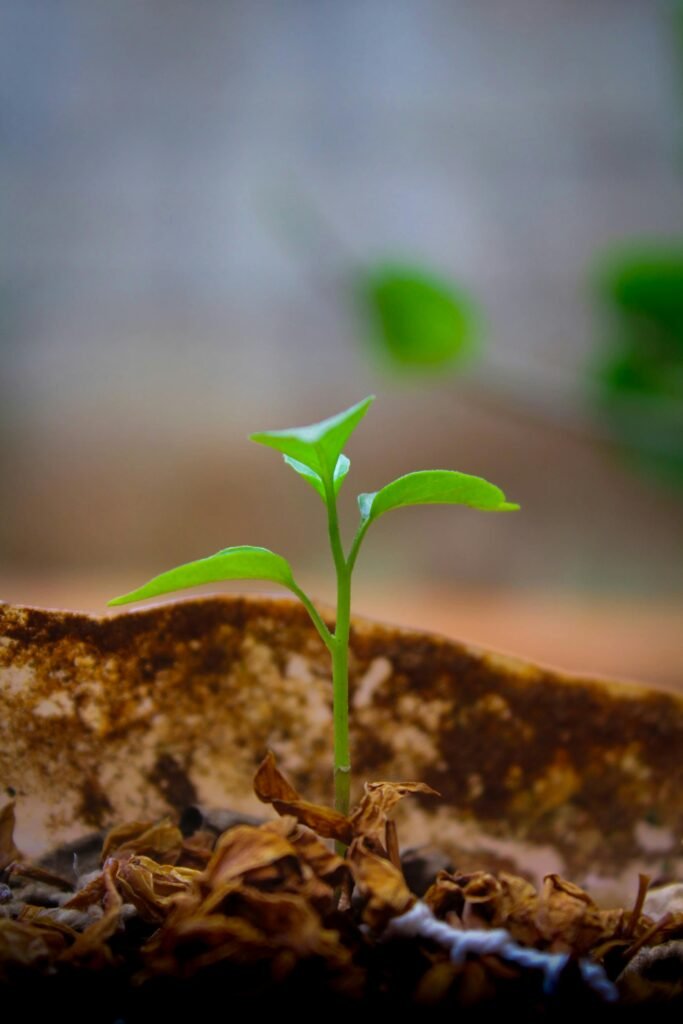
Ultimately, the essence of creating a fulfilling life lies in the commitment to make small yet impactful changes. These modifications do not necessitate drastic measures; rather, they call for a willingness to alter daily routines and embrace new perspectives. By pledging to incorporate even a few of these small changes into our lives, we can embark on a transformative journey that not only promotes happiness but also paves the way for success in various facets of our existence.