
Introduction: The New Year as a Fresh Start
The onset of a New Year is often regarded as a period of reflection and renewal, offering a unique opportunity for individuals to assess their lives and make changes if desired. As the calendar resets, people frequently engage in the tradition of setting resolutions aimed at self-improvement and goal achievement. This cultural phenomenon, while well-intentioned, frequently generates considerable pressure and anxiety to meet specific expectations.
Each January, individuals may feel compelled to commit to ambitious objectives such as losing weight, improving finances, or enhancing professional skills. While these resolutions can undoubtedly foster motivation, they can also become a source of undue stress and disappointment, particularly if the goals established are unrealistic or overly ambitious. Many find themselves overwhelmed by the weight of their own expectations and those imposed by societal norms, which can detract from the overall spirit of renewal associated with the New Year.
To cultivate a more constructive and peaceful approach to the New Year, it is essential to shift focus from the pressures of goal-setting to a mindset centered on reflection and personal growth. Instead of inundating oneself with a list of resolutions that must be achieved at all costs, embracing a more balanced philosophy may yield greater fulfillment. This perspective encourages individuals to consider their wishes and aspirations in a manner that fosters calmness rather than stress.
Ultimately, adopting a peaceful approach to the New Year allows individuals to appreciate the present moment while still aspiring to improve their lives. By prioritizing mental well-being over societal pressures, one can navigate the challenges ahead with renewed self-awareness and a sense of empowerment. The New Year, rather than becoming a time of anxiety, can transform into an opportunity for introspection, paving the way for a more serene and balanced life.
Understanding the Pressure of New Year Resolutions
The arrival of the New Year often brings with it the tradition of setting resolutions, a practice steeped in societal expectations and personal aspiration. Individuals frequently feel compelled to establish goals that reflect self-improvement, such as losing weight, quitting smoking, or enhancing productivity. This pressure to conform to New Year resolutions is exacerbated by pervasive societal narratives that equate the beginning of a new year with fresh starts and renewed hope. The impact of these expectations can be profound, creating a cycle of setting resolutions that may not be attainable for everyone.
When individuals set ambitious goals at the onset of the year, they commonly enter a phase of heightened motivation. However, this enthusiasm may quickly wane as the realities of daily life resurface. Struggles in maintaining commitment to these resolutions often lead to feelings of frustration and disappointment. Many people find themselves caught in a repetitive cycle; they establish goals, encounter difficulty in achieving them, and subsequently experience a drop in self-esteem as they perceive themselves as failures. This pattern can have detrimental effects on mental health, leading to anxiety and decreased overall well-being.
Understanding the implications of this pressure is crucial. The unrelenting expectation to continually strive for improvement and perfection can create a burdensome psychological weight. Instead of fostering growth, the pressure surrounding New Year resolutions can contribute to stress and feelings of inadequacy. It is important for individuals to recognize that while the aspiration for self-betterment is commendable, the emphasis on rigid, often unrealistic New Year resolutions can undermine one’s mental health and overall sense of peace.
The Importance of Self-Reflection
As the new year approaches, many individuals feel a sense of pressure to set resolutions and craft plans for the year ahead. However, before diving into ambitious goals, it is essential to recognize the role of self-reflection. This practice involves assessing one’s past year, providing an opportunity to examine achievements, setbacks, and the vital lessons learned along the way.
Taking the time to evaluate the previous year allows individuals to gain clarity about what truly matters to them. It offers a moment to understand which goals were successfully met and which may have fallen short. This act of reflection can be invaluable, as it highlights personal growth and resilience in facing life’s challenges. Furthermore, recognizing accomplishments can instill a sense of pride and motivation, while acknowledging failures can pave the way for constructive change in the coming year.
Self-reflection is also a strategic tool for identifying patterns in behavior and decision-making. It helps people understand the circumstances that contributed to their successes or difficulties, allowing them to make more informed choices moving forward. As individuals reflect, they are more likely to develop a sense of direction that aligns with their values and long-term aspirations. This can lead to a more peaceful mindset, reducing the anxiety that often accompanies the onset of a new year.
Embarking on self-reflection might involve journaling, meditative practices, or engaging in thoughtful discussions with trusted peers. Regardless of the method chosen, the essential aspect is to create dedicated time for this introspection. Emphasizing self-reflection as a critical step can help foster tranquility and purpose as one navigates the new year ahead.
As the New Year approaches, many individuals engage in the tradition of setting resolutions. However, a growing number of people are shifting their focus from resolutions to the practice of setting intentions. While resolutions often emphasize specific goals and outcomes, intentions provide a broader framework that encourages personal growth, well-being, and self-acceptance.
Resolutions typically revolve around external achievements, such as losing weight, quitting a habit, or achieving a particular milestone. This approach can inadvertently create pressure, as the emphasis is placed on outcomes that may not reflect one’s deeper values or desires. In contrast, intentions invite a more holistic approach by emphasizing the journey rather than the destination. Intentions are rooted in how one wishes to feel and the values they wish to embody throughout the year.
For instance, setting an intention to cultivate self-compassion creates a pathway for individuals to approach themselves with kindness, thereby enhancing their overall mental well-being. Alternatively, one might set an intention to foster gratitude, prompting them to recognize and appreciate the positive aspects of their life instead of focusing on what they lack. These types of intentions not only promote peace but also ensure that an individual’s focus is aligned with their personal growth and overall happiness.
Moreover, intentions can be adjusted as circumstances change, offering a sense of flexibility that resolutions often lack. This adaptability allows individuals to remain aligned with their core values and maintain a sense of personal integrity throughout the year. Therefore, as the New Year unfolds, considering the setting of intentions rather than rigid resolutions may lead to a more fulfilling and balanced life.
Creating a Personal Peace Plan
As the new year approaches, the desire for a fresh start often prompts individuals to reflect and reassess their lives. Creating a personal peace plan can significantly help in fostering a sense of tranquility and purpose. This plan should be tailored to your individual values and needs, allowing you to navigate the complexities of life with greater ease.
Begin by identifying your personal values. Consider what truly matters to you, whether it be family, health, career, or personal growth. Take time to write these down, as having a clear understanding of your values will serve as a foundation for your peace plan. Reflect on situations that bring you joy and fulfillment, and acknowledge those that create stress or anxiety.
Once you have identified your core values, proceed to set achievable goals related to your well-being. Focus on aspects of your life where you seek improvement or balance. Setting explicit, measurable, and time-bound goals will make it easier for you to track progress and maintain motivation. For instance, if health is a priority, consider goals such as integrating regular exercise into your routine or enhancing your dietary habits.
Incorporating mindfulness practices into your daily life is also instrumental in achieving personal peace. Techniques such as meditation, deep breathing exercises, or yoga can significantly enhance your mental clarity and emotional balance. Set aside specific times in your day for these practices; even just a few minutes can help cultivate a more peaceful mindset.
Finally, remember that your personal peace plan should be flexible. Life circumstances and priorities may change, and your plan can evolve along with them. Regularly review and adjust your goals to reflect your current situation, ensuring that your peace plan remains relevant and effective in guiding you toward a more peaceful existence.
Cultivating Mindfulness and Gratitude
As we embark on a new year, embracing mindfulness and gratitude can significantly contribute to a peaceful mindset. Mindfulness, characterized by the practice of being present in the moment, allows individuals to navigate life’s challenges with greater ease. This awareness helps reduce anxiety and fosters a sense of calm by enabling us to focus on the here and now, rather than getting lost in regrets of the past or worries about the future.
Incorporating mindfulness into daily routines can be straightforward. Start with short meditation sessions, even if just for five minutes each day. Find a quiet space, sit comfortably, and focus on your breath. Allow thoughts to come and go without judgment, gently guiding your attention back to your breath. This practice not only enhances self-awareness but also creates a mental space to process emotions effectively.
Additionally, engaging in mindful activities such as yoga, walking in nature, or even mindful eating can deepen your connection to the present moment. These practices reinforce the importance of slowing down and appreciating life, contributing to a peaceful disposition.
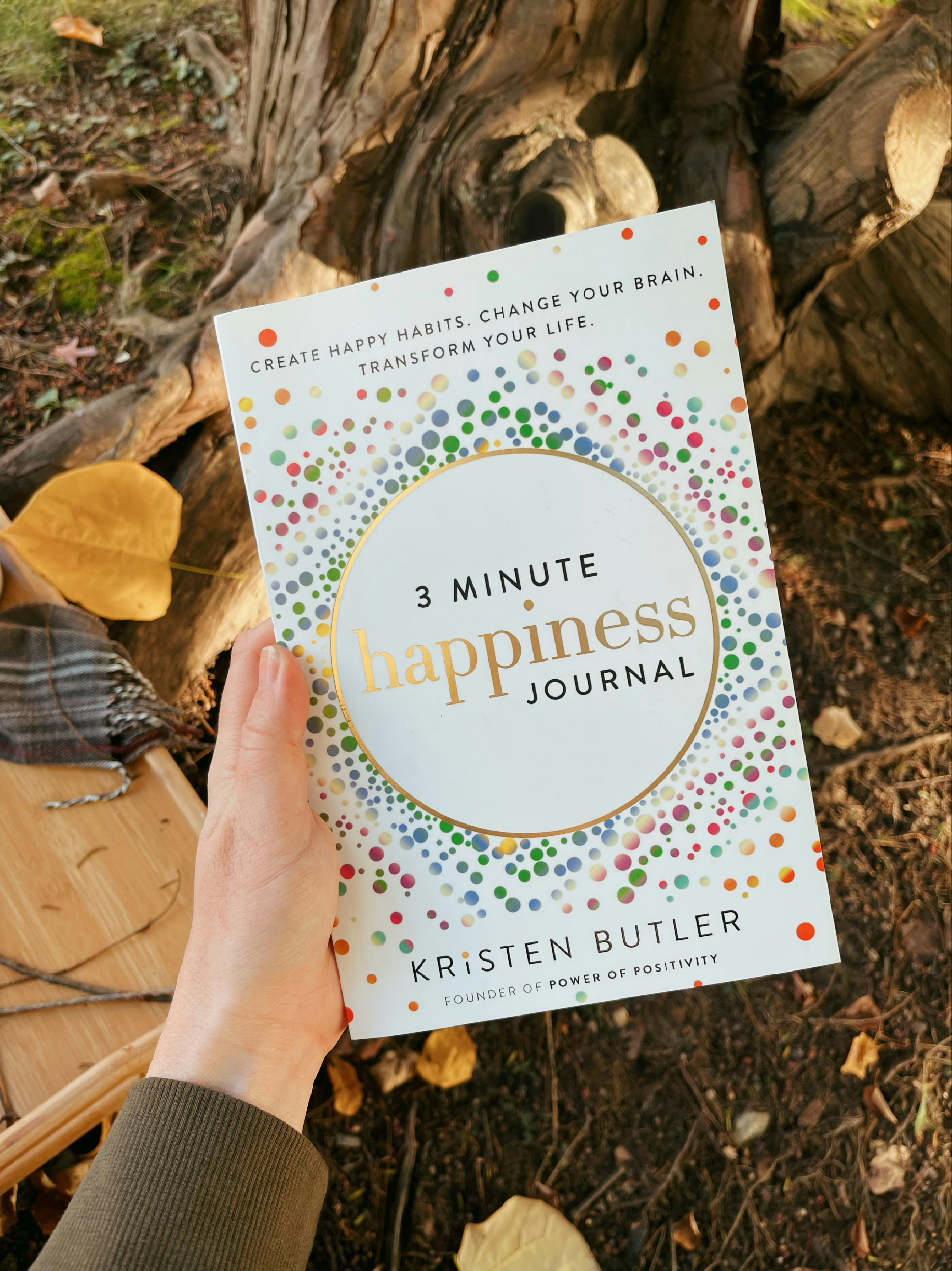
Gratitude, on the other hand, complements mindfulness by shifting focus from what is lacking to what is abundant in life. One effective method to cultivate gratitude is through journaling. Consider dedicating a few minutes each day to write down three things you are grateful for. This simple exercise can transform your outlook, enhancing positivity and reinforcing a mindset of appreciation.
Alternatively, combining meditation with gratitude can be particularly impactful. During meditation, take time to reflect on individuals, experiences, or even simple pleasures that bring joy. This practice not only promotes a peaceful mindset but also fosters deeper connections with our own lives and the world around us.
Finding Community Support
As we embark on a new year, the importance of surrounding ourselves with a supportive community cannot be overstated. Individuals who share similar intentions and goals can significantly influence our journey towards mental well-being and personal growth. A community offers not only a sense of belonging but also the encouragement needed to foster resilience during challenging times.
Connecting with others can be achieved through various avenues. One effective method is to join local or online groups that focus on well-being. These platforms often provide space for individuals to share experiences and strategies that have worked for them, creating an environment of mutual support. Workshops can also be beneficial, as they not only educate but also allow for networking with like-minded individuals who are on a similar path. Often, these events facilitate discussions that deepen understanding and engagement with personal development goals.
Additionally, online forums provide an excellent outlet for those who may find physical gatherings intimidating or inaccessible. Websites dedicated to wellness and self-improvement host communities where users can ask questions, share insights, and encourage one another. This virtual support system can be particularly comforting as it enables individuals to connect beyond geographical limitations, broadening their support network.
Ultimately, finding a supportive community is an essential step in promoting peace and reducing pressure as we begin the new year. By engaging with groups, whether in-person or online, we can cultivate meaningful relationships that empower us to pursue our goals with confidence and tranquility.
Embracing Flexibility and Adaptability
As we step into the new year, it becomes essential to recognize and embrace flexibility and adaptability in our plans and expectations. With the ever-changing landscape of life, being open to change can transform not only our goals but our overall experience. Flexibility allows us to navigate unexpected obstacles with resilience, preserving our sense of peace.
One notable example illustrating the power of adaptability comes from the post-pandemic world, where individuals and organizations had to adjust to unforeseen circumstances. Many businesses swiftly transitioned to remote work, demonstrating remarkable flexibility. Those who adapted their strategies not only survived but often thrived in the new digital landscape. This shift provided opportunities for innovation, showcasing how adaptability can lead to significant growth and development.
Personal stories also highlight the importance of embracing change. Consider a person who planned an elaborate journey, only to face travel restrictions. Instead of succumbing to disappointment, they pivoted to exploring their local area, discovering hidden gems in their community. This unexpected adventure brought new experiences and allowed them to appreciate the beauty of flexibility. By being open to alternative paths, individuals can cultivate a sense of fulfillment that might otherwise be overlooked.
Furthermore, embracing adaptability helps us cope with the pressure of self-imposed expectations. Recognizing that life is inherently unpredictable frees us from perfectionism and allows for a more compassionate approach to ourselves. Making room for flexibility not only reduces stress but also fosters personal growth, making it easier to learn from experiences and adjust our goals as needed.
In conclusion, nurturing a mindset of flexibility and adaptability is crucial as we embark on a new year. It enhances our capacity to cope with change, promotes growth, and ultimately helps us find peace even in the midst of uncertainty.
Conclusion: Moving Forward with Peace
As we step into the new year, it is crucial to adopt a mindset that prioritizes peace over pressure. In a world that often emphasizes achievement and success, we must remind ourselves that personal growth is a unique journey, and it does not have to be synonymous with stress or anxiety. Embracing peace as our guiding principle can lead to a more fulfilling and enriching experience in our daily lives.
Each of us possesses the power to define our own paths, unencumbered by societal expectations and external pressures. By focusing on peace, we cultivate an environment where our aspirations can flourish organically. This inner tranquility allows for greater self-reflection and helps to clarify our goals, making the process of personal development more enjoyable and less overwhelming.
It is paramount to approach the coming year with kindness toward ourselves. Rather than measuring success through traditional metrics, we can choose to appreciate incremental progress and personal satisfaction. This shift in perspective encourages us to celebrate our small victories, fostering a deeper connection with our own values and passions.
Moving forward, let us pledge to prioritize peace in every facet of our lives. This commitment will not only enhance our personal well-being but will also create a ripple effect, influencing those around us positively. By embodying peace, we can inspire our community to consider their journeys thoughtfully and compassionately. Remember, the transformation that comes with the new year should not feel like an added pressure but rather an opportunity to cultivate harmony within ourselves.
Ultimately, finding peace is a continuous process, one that requires mindfulness and dedication. As we embrace this approach, let us remain patient and open-minded, understanding that each step we take brings us closer to a more peaceful existence.