
Table of Contents

Introduction to the January 2nd Conundrum
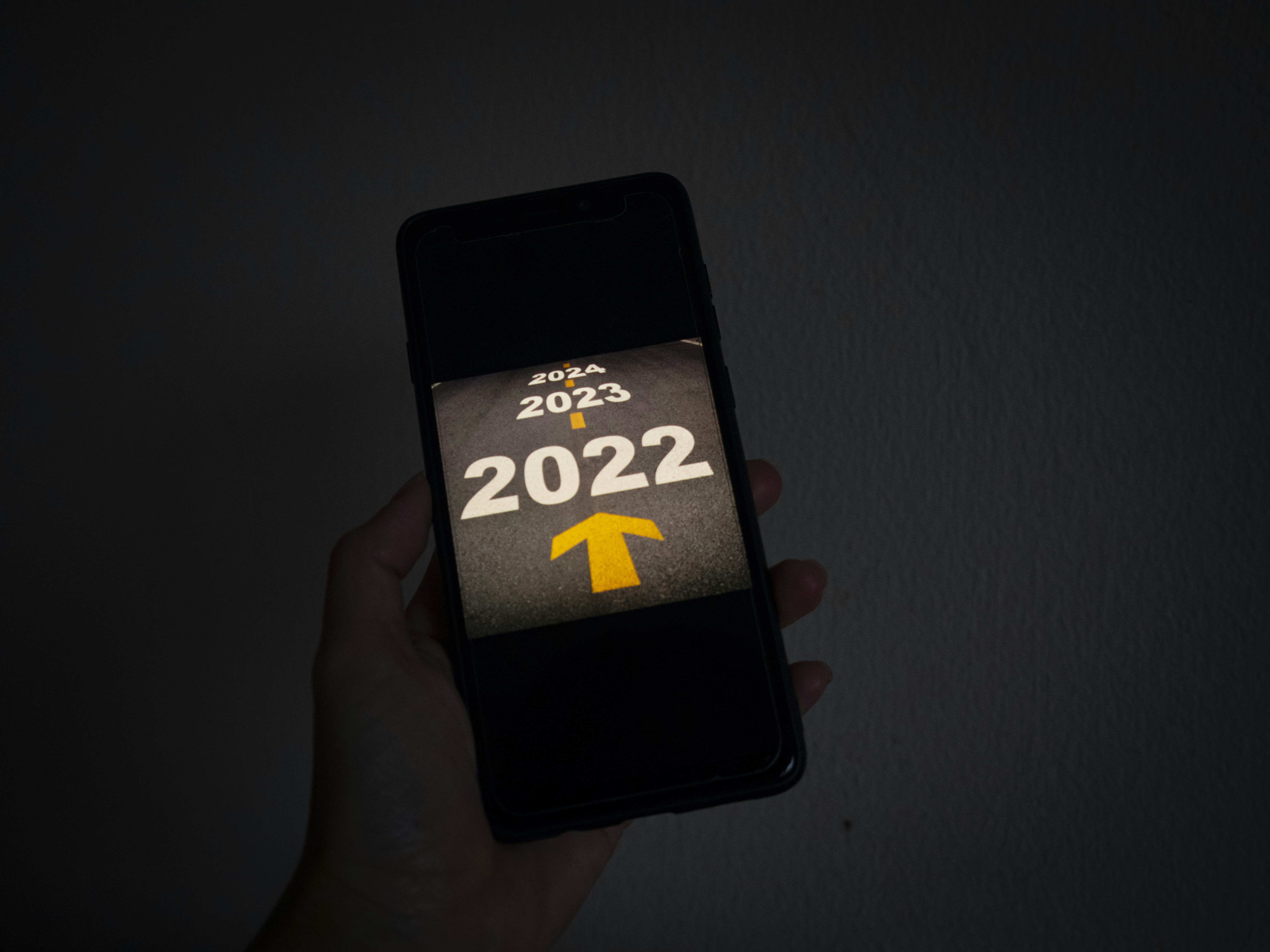
The phenomenon commonly referred to as the “January 2nd Effect” highlights the emotional and psychological challenges many face following the exuberance of New Year’s Day celebrations. After a night filled with festivities and optimism, January 1st often evokes feelings of hope and renewal, as individuals set forth with ambitious resolutions and aspirations for self-improvement. This marked transition into a new year typically brings a surge of motivation, encouraging people to envision a better version of themselves.
However, the enthusiasm that accompanies January 1st can quickly dissipate by the time January 2nd arrives. The abrupt realism of post-celebration life starkly contrasts with the high expectations set just a day prior. Many find themselves grappling with a mix of exhaustion and pressure, realizing that the resolutions made might seem daunting rather than achievable. This emotional shift is exacerbated by the sudden awareness that the celebratory period is over, leaving behind a sense of emptiness.
The January 2nd Effect can often lead to feelings of anxiety or disappointment, as individuals internalize the weight of their goals. The stark contrast between celebration and routine establishes a mental paradox—the celebrations are over, yet the new year has just begun. Consequently, individuals may feel unprepared to face the responsibilities that come with the commitments made. Furthermore, with the return to work and daily obligations, the contrast deepens, serving as a reminder of the challenges ahead and the difficult journey of self-discovery and transformation.
The Psychological Transition: From Celebration to Reality
The transition from the joyous festivities of New Year’s Eve to the stark reality of January 2nd is often imbued with a sense of loss and readjustment. The vibrant celebrations, filled with laughter, social connections, and a hopeful outlook for the year ahead, can create a sharp contrast to the mundane routines that surface immediately after. This process is commonly referred to as the post-holiday slump, a phenomenon where individuals experience a notable drop in mood and motivation.
During the jubilant moments of New Year’s, people engage in various activities that elevate their spirits, including parties, gatherings, and resolutions. This heightened state of excitement, however, is often unsustainable. As the clock strikes midnight and festivities cease, individuals may feel an emotional hangover, a term that encapsulates the residual feelings of euphoria that dissipate, leaving behind a void. The abrupt shift can trigger feelings of sadness or nostalgia, as the joyous experiences seem to fade quickly.
The return to routine after the holidays can also evoke a sense of pressure and anxiety, particularly when confronted with resolutions and expectations for the coming year. For many, the frenzied ambitions set during celebrations may contrast sharply with the reality of everyday existence, leading to feelings of inadequacy or disappointment. The way individuals navigate this transition requires an understanding of personal emotional responses and the broader psychological impacts of returning to normalcy.
By acknowledging this psychological transition, individuals can better prepare for the emotional challenges that arise on January 2nd. Awareness of the post-holiday slump enables a more compassionate approach toward oneself, facilitating healthier coping mechanisms, thereby easing the stress associated with reentering routine life.
High Expectations vs Reality
As the calendar turns to January, many individuals enthusiastically embrace the tradition of setting New Year’s resolutions. These resolutions often come filled with high expectations, the promise of a new beginning, and the motivation to transform one’s life. Common resolutions include goals related to fitness, financial stability, personal development, and fostering better relationships. However, this surge of optimism can starkly contrast with the realities of everyday life as January progresses.
The pressure to fulfill these ambitious goals can become overwhelming, particularly by January 2nd. The day after New Year’s celebrations is often intended as a fresh start. Yet, the sudden shift from holiday indulgence to immediate expectations can create a disquieting feeling of inadequacy. Many find themselves caught in the gap between idealistic hopes and life’s routine challenges, which can result in feelings of frustration or defeat.
In truth, our daily responsibilities, obligations, and the complexities of life do not pause because of a new year. This disconnect between high aspirations and the often mundane reality can help explain why the January 2nd effect feels so pronounced. Individuals may soon discover that achieving fitness goals demands time and discipline that they struggle to commit to amidst their busy schedules. Similarly, financial resolutions can require significant changes that are uncomfortable or difficult to implement overnight.
This disparity between lofty goals and the reality of life can lead to a sense of being overwhelmed, contributing to the challenges people face on January 2nd. The day serves as a poignant reminder that while setting intentions is vital, realistic planning and incremental progress is essential. Thus, understanding this psychological interplay may lessen the burden many individuals feel as they embark on a new year.
The Science of Motivation and Willpower
The initial euphoria that accompanies the New Year often brings a surge of motivation. As individuals set resolutions and envision change, they activate a psychological drive that propels them towards their goals. However, this motivation can diminish rapidly, particularly by January 2nd. According to psychological research, motivation is intrinsically linked to willpower—a finite resource that can be depleted over time.
The concept of willpower is often likened to a muscle; it requires energy and can tire from overexertion. Studies indicate that as people face multiple challenges or temptations, their willpower can weaken, leading to decreased performance in adhering to resolutions. This phenomenon is known as ego depletion, which suggests that self-control operates on limited resources. As individuals prioritize goal-setting during the New Year, they may not consider the energy required to maintain motivation in the subsequent days.
Additionally, when expectations are set high, the perceived distance from achieving them can become overwhelming. This psychological gap can result in feelings of inadequacy or anxiety, which further drain an individual’s willpower. Biologically, the brain’s dopamine pathways—responsible for feelings of pleasure and reward—can be affected by the stark transition from festive excitement to everyday reality, influencing one’s overall motivation levels.
To manage energy levels effectively in the face of new goals, it’s crucial that individuals recognize the importance of sustainable motivation strategies. Implementing small, incremental changes rather than grand resolutions can maintain a sense of achievement and boost willpower over time. By understanding the science behind motivation and willpower, people can better navigate the post-New Year recovery period and set themselves up for success.
Coping Strategies for January 2nd Blues
The day after New Year’s can often bring a sense of melancholy as festivities fade and the reality of daily life returns. To effectively cope with the January 2nd blues, individuals can adopt various strategies that promote emotional well-being and resilience.
One powerful technique is mindfulness, which encourages individuals to focus on the present moment. Practicing mindfulness can help alleviate feelings of anxiety and sadness by redirecting attention away from overwhelming thoughts. Simple activities such as deep breathing exercises, meditation, or simply taking a quiet walk in nature can enhance mindfulness. Engaging in these practices allows one to develop a more grounded perspective, reducing the emotional weight of the post-holiday slump.
Setting realistic and achievable goals is another effective approach. The start of a new year naturally sparks aspirations for improvement; however, it is essential to approach these aspirations with moderation. Constructing a list of smaller, manageable goals can provide direction and motivation, enabling individuals to take actionable steps towards their ambitions rather than feeling daunted by the year ahead. This method not only fosters a sense of accomplishment but also shifts focus away from any negative feelings associated with returning to routine.
Moreover, maintaining connections with a supportive community can significantly mitigate feelings of isolation. Engaging with family and friends, whether through in-person gatherings or virtual check-ins, provides emotional support and fosters a sense of belonging. Sharing experiences and feelings with others can bridge the gap between the euphoric holiday season and the stark reality of January 2nd, reminding individuals that they are not alone in their struggles.
In summary, addressing the January 2nd blues effectively involves a combination of mindfulness practices, strategic goal-setting, and nurturing personal connections. By integrating these coping strategies into daily life, individuals can navigate the challenges of this transitional time with greater ease and resilience.
Cultural Perspectives on New Year Celebrations
The celebration of the New Year holds immense significance across diverse cultures, each embodying unique traditions and rituals that shape their psychological perceptions of this pivotal time. In many Western cultures, such as the United States, the advent of January 1st is marked with extravagant firework displays, countdowns to midnight, and festive gatherings. This energetic atmosphere cultivates a sense of renewal and optimism, making the transition into the New Year feel exhilarating. However, when January 2nd arrives, many experience a stark contrast to the previous day’s festivities. This phenomenon highlights how cultural frameworks influence emotional responses to this pivotal period.
Conversely, Eastern cultures often emphasize introspection and family connections during New Year celebrations. For example, in Japan, the New Year, or “Shōgatsu,” is a time of reflection and reverence, where individuals engage in rituals such as visiting shrines, enjoying traditional foods, and focusing on family unity. This contemplative approach may instill a greater sense of peace and continuity, subsequently lessening the abruptness of returning to routine on January 2nd.
Similarly, in China, the Lunar New Year emphasizes the importance of familial bonds and cultural heritage. The celebrations typically extend over several days, allowing for a gradual transition into the New Year, which can alleviate feelings of post-celebration letdown. Such practices resonate deeply with individuals, fostering resilience against the psychological challenges that might arise as the New Year unfolds.
Overall, examining how different cultures perceive and celebrate the New Year reveals significant insights into the varied emotional landscapes associated with January 2nd. By understanding these cultural differences, one can better appreciate the reasons behind the contrasting feelings experienced during this transitional time.
Breaking Down New Year Resolutions
Every new year brings with it a renewed sense of hope and the promise of change, with many individuals setting New Year resolutions to better themselves. Common resolutions often include objectives such as losing weight, exercising more, quitting smoking, or improving finances. However, as the enthusiasm of January 1st fades, many find it increasingly difficult to maintain these ambitious goals. The tendency to set resolutions that are overly ambitious can lead to feelings of frustration and failure as the weeks go by.
One significant challenge is the unrealistic expectations individuals place on themselves when crafting these resolutions. For instance, committing to a drastic diet or an intense fitness regime can be daunting and unsustainable in the long term. Instead of aiming for immediate change, it is advisable to set smaller and more achievable goals. Breaking down larger resolutions into incremental steps can enhance a person’s chances of success, promoting the idea that gradual improvements are often more sustainable.
Additionally, establishing a support system can play a crucial role in maintaining motivation. Sharing resolutions with friends or joining groups with similar objectives helps keep individuals accountable. The social aspect of working towards a common goal fosters encouragement and enhances one’s commitment to their resolutions.
Furthermore, tracking progress can significantly help in maintaining motivation. Regularly evaluating one’s achievements, no matter how small, provides a sense of accomplishment that can be very empowering. The act of journaling or using apps designed for goal tracking can also enhance the focus on personal development.
In conclusion, while New Year resolutions can be a powerful tool for self-improvement, recognizing the challenges and adopting realistic strategies are vital for long-term success.
The Importance of Self-Compassion in the New Year
The transition into a new year often brings high expectations and aspirations, but it can also lead to feelings of overwhelm and anxiety. Self-compassion plays a crucial role in helping individuals navigate these emotional challenges. Instead of harshly criticizing oneself for not meeting resolutions or feeling demotivated, embracing self-kindness fosters a healthier mindset. This approach not only alleviates stress but also encourages a more sustainable pursuit of personal goals.
When facing the daunting reality of January 2nd, individuals may experience a range of emotions, from disappointment to excessive pressure to perform. Acknowledging these feelings without judgment is the first step toward practicing self-compassion. Research has shown that self-compassion can enhance emotional resilience, allowing individuals to bounce back from setbacks and maintain motivation. By reminding oneself that it is natural to struggle during times of transition, individuals can shift their focus from self-critical thoughts to more constructive reflections.
Moreover, self-compassion facilitates a deeper understanding of personal values and aspirations. Instead of rigidly adhering to specific goals, individuals can approach their objectives with flexibility and openness. This may lead to a reassessment of what is genuinely important, promoting a sense of satisfaction and well-being. As the January 2nd Effect often highlights feelings of inadequacy, developing a compassionate inner dialogue can transform the way one approaches self-improvement.
In summary, embracing self-compassion during the New Year not only aids in coping with the challenges of January 2nd but also sets a positive tone for the entire year ahead. By being kind to oneself, individuals can cultivate resilience, better navigate emotional hurdles, and pursue their goals with renewed focus and commitment.
Conclusion: Embracing the Transition
The transition from the exuberant festivities of the New Year to the more subdued routine of daily life can indeed present challenges. It is natural for individuals to feel a sense of letdown after an energizing holiday season filled with celebrations and gatherings. The January 2nd Effect encapsulates this sensation, highlighting the stark contrast between the high-energy moments and the immediate return to normalcy. Understanding this phenomenon is crucial as it allows individuals to recognize that they are not alone in feeling this way.
During this period of adjustment, the importance of adopting a mindset of adaptability is paramount. By embracing the transition instead of resisting it, one can facilitate smoother reintegration into work and home life. Acknowledging that the feelings experienced on January 2nd are common can help mitigate anxiety and foster a more positive outlook. This mindset promotes personal growth, revealing that life’s ups and downs are interconnected and learning opportunities abound.
Moreover, it presents an ideal occasion to set realistic goals for the year ahead. Instead of succumbing to the pressure of instantaneously achieving resolutions, leveraging this time to create incremental changes is advisable. Such a gradual approach respects the emotional and physical adjustments required after the holiday whirlwind. Rather than fearing the looming return to routine, individuals can view it as a chance to establish new habits and forge pathways to improved well-being.
In conclusion, while the January 2nd Effect may challenge many, it provides a valuable opportunity for reflection and growth. Embracing this transitional phase with openness can lead to positive changes, allowing individuals to thrive throughout the year.