
Table of Contents
Introduction: The Connection Between Landscape and Lifestyle
The relationship between a country’s landscapes and the lifestyle of its inhabitants is often profound and complex. In Brazil, the diverse and stunning natural environments—from lush rainforests and imposing mountains to sun-kissed beaches and vibrant urban areas—play a pivotal role in shaping the cultural identity and daily practices of its people. The breathtaking beauty and varied ecosystems not only attract tourists from around the globe but also cultivate a distinct way of life that is characterized by relaxation, sociability, and a deep-seated appreciation for nature.
This blog post will delve into how Brazil’s landscapes influence its easygoing lifestyle, examining the ways in which different regions contribute to the overall cultural narrative. For instance, the Amazon rainforest, with its rich biodiversity and peaceful ambiance, fosters a connection with nature that encourages a slower pace of life. Conversely, the urban dynamics of cities like Rio de Janeiro and Sao Paulo, framed by striking mountain ranges and coastal vistas, highlight a vibrant culture that balances work and play.
Throughout this exploration, we will consider how elements such as geographic location, climate, and the availability of natural resources interweave to shape social habits, recreational activities, and interpersonal relationships among Brazilians. From the social gatherings at local beaches to community-driven ecotourism in the Amazon, these landscapes profoundly influence the way Brazilians interact with each other and their environment.
Ultimately, understanding the connection between Brazil’s breathtaking landscapes and its relaxed lifestyle can provide valuable insights into the country’s cultural fabric and the reasons behind its reputation for happiness and contentment. This interplay of nature and humanity creates a unique environment where the people of Brazil thrive in harmony with their surroundings.

The Natural Wonders of Brazil
Brazil is renowned for its diverse and breathtaking natural landscapes that not only enhance the country’s beauty but also shape the lifestyle of its inhabitants. These landscapes play a crucial role in fostering a culture that values leisure and enjoyment. Among the most significant of these natural wonders is the Amazon Rainforest—the largest tropical rainforest in the world. Spanning across several states in Brazil, the Amazon is a rich ecosystem teeming with wildlife, flora, and natural resources. Its vast expanse offers endless opportunities for exploration, creating a profound connection between residents and their environment.
In addition to the Amazon, Brazil is home to the Pantanal wetlands, the world’s largest tropical wetland area. This unique habitat supports an astonishing variety of wildlife, making it a prime destination for eco-tourism. The Pantanal’s seasonal floods create a dynamic environment that influences the way local communities live and interact with nature. With fishing, birdwatching, and wildlife photography thriving here, the Pantanal encourages a leisurely lifestyle that celebrates outdoor activities.
Coastal beaches are another hallmark of Brazil’s stunning geography. From Copacabana to Ipanema, these idyllic stretches of sand attract both locals and tourists alike. The culture surrounding Brazilian beaches often revolves around relaxation, socialization, and physical activities such as volleyball and surfing. Additionally, mountain ranges like the Serra do Mar provide ample hiking opportunities, where residents can experience the breathtaking views and tranquil surroundings that inspire appreciation for nature.
Each of these natural environments contributes significantly to Brazil’s unique culture, encouraging a lifestyle centered around outdoor activities, relaxation, and a deep respect for the natural world. The interplay between Brazil’s landscapes and its vibrant culture ultimately cultivates an easygoing lifestyle that many aspire to enjoy.
Cultural Influences of Brazilian Geography
The diverse geographical features of Brazil significantly influence its culture, traditions, and the social activities of its inhabitants. From the Amazon rainforest in the north to the beaches of Rio de Janeiro in the southeast, each region showcases unique characteristics that shape local customs and community life. For instance, the Amazon region, characterized by vast rainforests and rich biodiversity, has fostered a culture deeply connected to nature, where indigenous communities practice sustainable living and showcase traditional arts that celebrate their environment.
In contrast, the coastal areas are known for their vibrant lifestyles, heavily influenced by the ocean. Festivals such as Carnival, famous for its elaborate parades and samba music, exemplify how the geography of Brazil encourages strong communal bonds and expressions of joy. The rhythmic sounds of samba, which originated from African influences, resonate throughout the coastal cities, bridging cultural gaps and promoting a sense of belonging among residents and visitors alike.
The agricultural heartland of Brazil, particularly in the central-west, is marked by a strong tradition of festivals centered around the harvest. These celebrations not only reflect the agrarian ties of the locals but also highlight the importance of food in Brazilian culture. Local cuisine, varying from region to region, features ingredients that are abundant due to the geographical settings, such as cassava in the north and rice in the south, which contribute to the nation’s culinary diversity.
Moreover, Brazil’s geographical landscapes encourage outdoor social activities. Whether it is football matches on sandy beaches or community gatherings in scenic parks, the environment facilitates a lifestyle that emphasizes joy, relaxation, and interpersonal connections, ultimately fostering the nation’s renowned easygoing spirit. Hence, the interplay between geography and culture plays a crucial role in shaping the Brazilian way of life.

The Role of Climate in Brazil’s Lifestyle
Brazil’s diverse landscapes are significantly influenced by its tropical and temperate climates. The tropical climate predominates in the northern regions, characterized by warm temperatures, ample rainfall, and high humidity. In contrast, the southern parts of Brazil experience a temperate climate, with cooler winters and moderate summers. These climatic variations play a vital role in shaping the daily lives, recreational habits, and social interactions of the Brazilian populace.
The warm tropical climate encourages an outdoor lifestyle that is deeply embedded in Brazilian culture. Many residents take advantage of the year-round warmth, engaging in various outdoor activities such as beach outings, soccer matches, and lively festivals. Additionally, the consistent temperatures foster spontaneous social gatherings, where families and friends come together in public parks, beaches, or backyards, embracing the easygoing nature of life in Brazil.
Moreover, the temperate zones offer a different but equally engaging outdoor lifestyle. The cooler months often prompt a rise in social activities such as hiking in the picturesque mountains and attending seasonal festivals. This blending of climates allows Brazilians to experience a wide range of leisure options throughout the year. Observations show that weather patterns directly affect daily routines, as residents often plan activities around the climate, maximizing their opportunities for enjoying the great outdoors. Rainy seasons might lead to indoor gatherings, yet the spirit of friendship and community remains unyielding, showcasing resilience and adaptability.
Ultimately, the prevailing climate conditions in Brazil are instrumental in shaping an active, diverse, and vibrant lifestyle. The weather not only influences individual choices but also fosters connections among people, reinforcing the community spirit that is emblematic of Brazilian culture.
Ecosystem and Biodiversity: The Heart of Relaxation
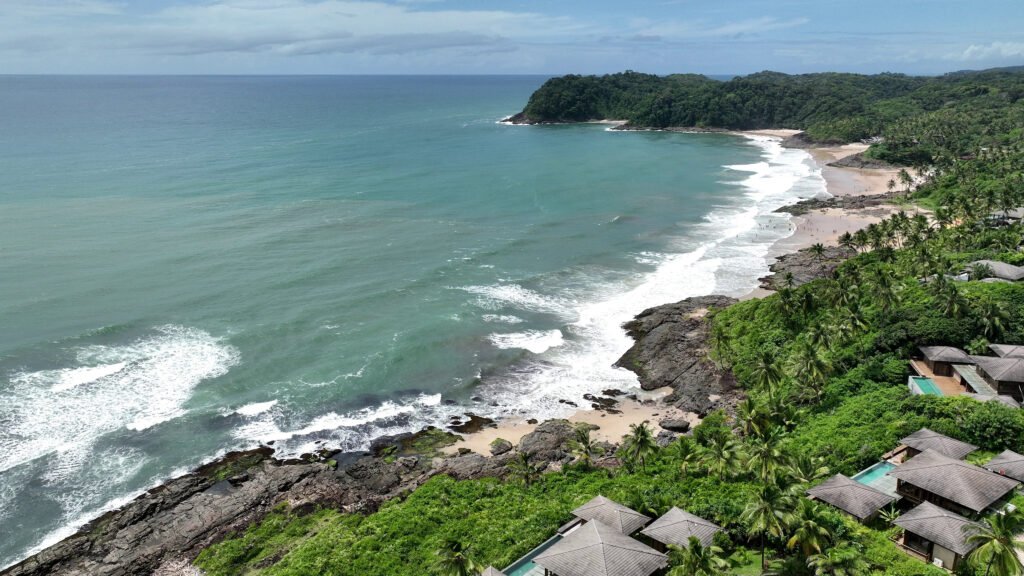
Brazil, renowned for its vast and varied landscapes, is home to an extraordinary array of ecosystems that shape the lifestyle of its inhabitants. From the Amazon rainforest, rich in flora and fauna, to the Pantanal, the world’s largest tropical wetland, Brazil’s biodiversity is both impressive and vital. This extensive natural heritage fosters a slower-paced, relaxed lifestyle that is deeply intertwined with the country’s overall happiness.
The balance of nature plays a crucial role in promoting well-being among Brazilians. Urban areas such as São Paulo and Rio de Janeiro are increasingly incorporating green spaces into their infrastructure. Parks, botanical gardens, and preserved areas within urban settings provide residents with easy access to nature, which has been proven to have calming effects. These green spaces cultivate a sense of community and encourage outdoor activities, ultimately enhancing the quality of life.
Rural regions also reflect this deep connection to nature, with many Brazilians engaging in sustainable farming practices that prioritize ecological balance. Local markets often showcase organic produce and artisan products, promoting not only a connection to the land but also supporting local economies. Such practices cultivate a sense of pride and happiness among producers and consumers alike.
Moreover, the preservation efforts in Brazil are commendable. Various conservation programs aim to protect endangered species and promote biodiversity through eco-tourism initiatives. These programs not only serve to safeguard the environment but also encourage a respectful and harmonious relationship between the natural world and human activities. By understanding the significance of biodiversity and its essential role in sustaining ecosystems, Brazilians are more likely to embrace a lifestyle that values ease and tranquility.
Urban Landscapes: Vibrant Cities and Leisure Spaces
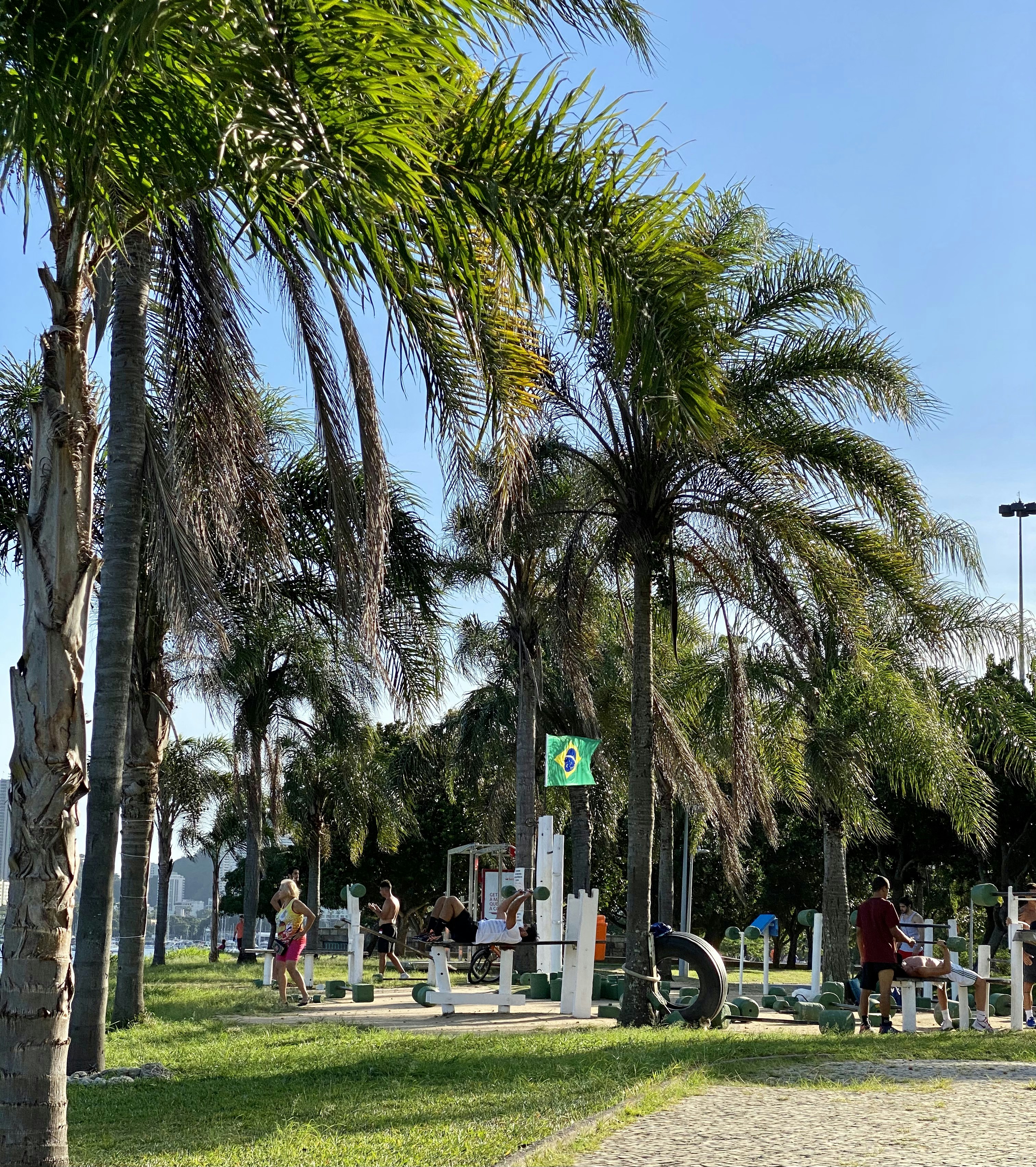
Brazil’s urban landscapes are a testament to the country’s vibrant culture and its emphasis on leisure and social interaction. The bustling cities of Rio de Janeiro and São Paulo feature an array of parks, beaches, and outdoor patios, creating an enjoyable atmosphere for residents and visitors alike. In these urban settings, public spaces are designed not just for functionality but also to foster community and engagement among individuals.
In Rio de Janeiro, iconic sites like Copacabana and Ipanema beaches serve as prime examples of how leisure is woven into the fabric of city life. These beaches are not merely recreational spots; they are social hubs where people gather to relax, play sports, or enjoy a day under the sun. Additionally, the city’s numerous parks, such as Parque Lage and the Tijuca National Park, highlight Brazil’s strong connection to nature, offering serene escapes from the urban hustle and bustle.
Meanwhile, São Paulo, one of the largest cities in the world, reflects a distinct urban landscape characterized by its architectural diversity. Aspects of modern design meet historical sites, which fosters a unique blend of experiences for urban dwellers. Notably, the city’s parks, such as Ibirapuera Park, provide expansive green spaces that invite ample leisure activities, including jogging, picnicking, and cultural events. The integration of outdoor patios and open markets also enhances the urban experience, allowing for social interaction and a sense of community.
Ultimately, the urban landscapes of Brazil not only offer stunning environments but also embody the country’s spirit of leisure and sociability. This strong alignment between city living and nature underscores how Brazil’s architecture and public spaces promote relaxation, contribute to mental well-being, and encapsulate the joyous lifestyle that characterizes its populace.
The Importance of Community and Social Interaction
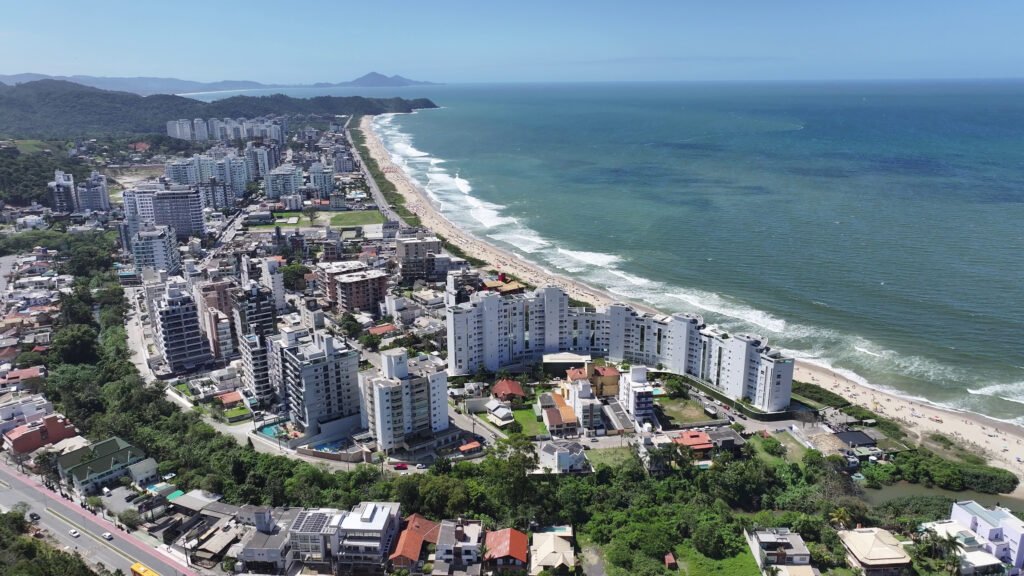
Brazilian landscapes, with their stunning natural beauty and vibrant urban settings, play a crucial role in fostering a profound sense of community and social interaction among its residents. From the mesmerizing beaches of Rio de Janeiro to the lush greenery of its parks in Sao Paulo, these environments provide ample space for communal gatherings and festive celebrations. Such outdoor venues encourage people to come together, strengthening neighborhood bonds and encouraging a spirit of camaraderie.
In many Brazilian cities, parks serve as communal hubs where families and friends gather for picnics, sports, and cultural events. Whether it is a casual weekend barbecue or a larger festival, these gatherings allow individuals to engage in dialogue, share traditions, and create lasting memories. The connection to nature nurtures a relaxed atmosphere that promotes friendly interactions. The accessibility of activities within these beautiful settings further enhances the social fabric, enabling individuals from diverse backgrounds to mingle and connect.
Moreover, Brazil’s famous beach culture exemplifies this community-oriented lifestyle. Beaches are not just for relaxation; they become venues for cultural expressions such as samba dance, capoeira performances, and informal sports. These rituals pull people together, transcending socio-economic barriers and encouraging unity within communities. Additionally, events like Carnival showcase the importance of collective celebration against stunning backdrops, strengthening cultural identities and community ties.
Together, these elements of Brazilian life illustrate how landscapes significantly influence community dynamics, promoting social interaction and a sense of belonging. As individuals come together in these picturesque environments, they not only enjoy leisure but also cultivate relationships that nurture a vibrant, interconnected society. The harmony between Brazil’s natural beauty and its people is essential to understanding the nation’s joyful and easygoing lifestyle.
Impact of Tourism on Lifestyle and Preservation
The relationship between tourism and local lifestyles in Brazil is multifaceted, reflecting both enrichment and challenges. As an emerging global tourism destination, Brazil attracts millions of visitors annually, significantly influencing the sociocultural dynamics of its various regions. The influx of tourists brings economic opportunities, fostering local businesses and generating income that can enhance community life. Markets, craft fairs, and local cuisine benefit from the increased footfall, allowing residents to share their heritage while simultaneously embracing aspects of global culture.
However, tourism can also pose challenges to local ways of life, leading to a potential dilution of cultural practices. Increased demand for authenticity can cause local communities to adapt their traditions to cater to the expectations of tourists. This commodification of culture can undermine the very essence of what makes these practices unique. Additionally, the environmental pressures from mass tourism can threaten Brazil’s stunning natural landscapes, which are integral to the country’s identity and its residents’ sense of place and belonging.
To navigate these challenges, sustainable tourism practices are essential for conserving both cultural and environmental integrity. Initiatives promoting community involvement, such as responsible tourism campaigns, empower locals, ensuring that they have a voice in how tourism develops in their areas. Eco-tourism is gaining traction, advocating for Preservation of natural sites while offering educational experiences for visitors. Such practices not only mitigate the environmental impact but also enhance tourists’ appreciation for Brazil’s unique heritage.
In conclusion, while tourism undeniably enriches local lifestyles and contributes to economic vitality, it is crucial to adopt sustainable practices to preserve the landscapes and cultural nuances that define Brazil. Emphasizing conservation efforts will ensure that the charm and authenticity of this vibrant country remain intact for future generations.
Conclusion: The Soul of Brazil – Nature and Lifestyle Intertwined
The intricate relationship between Brazil’s breathtaking landscapes and the easygoing nature of its inhabitants is undeniable. From the vibrant Amazon rainforest to the picturesque beaches of Rio de Janeiro, Brazil’s natural scenery plays a crucial role in shaping the cultural identity and lifestyle of its people. The diverse ecosystems across the country not only offer stunning vistas but also provide a sanctuary that promotes a joyful and relaxed way of living.
Brazil’s environment encourages a life steeped in connection with nature. The lush greenery and vibrant colors of the landscape inspire a sense of tranquility and freedom among its residents. This profound connection influences social interactions and community bonding, fostering a lifestyle characterized by warmth and hospitality. Additionally, outdoor activities such as hiking, surfing, and gatherings in public parks are intrinsic to Brazilian life, further highlighting the interplay between nature and leisure.
However, the fragility of these natural resources necessitates urgent attention and preservation efforts. As urban development and climate change pose significant risks to Brazil’s landscapes, it becomes crucial to advocate for sustainable practices that safeguard these environments. By maintaining the integrity of these ecosystems, future generations can continue to appreciate the serene beauty that influences Brazil’s way of life.
In summary, the essence of Brazil’s happy and easygoing lifestyle is intricately woven into its landscapes. Recognizing the vital link between environment, culture, and community is paramount for preserving this rich legacy. As individuals and communities work together, they can ensure that Brazil’s natural beauty remains a source of joy and inspiration for years to come.