Table of Contents

Introduction to Brazilian Desserts
The dessert culture in Brazil is a vibrant tapestry woven from a rich history and diverse influences. At the heart of Brazilian desserts lies a unique blend of indigenous, African, and Portuguese traditions, each contributing to the distinctive flavors and textures found in these sweet creations. Brazil’s indigenous people introduced natural ingredients such as fruits, nuts, and tubers, which are still highlighted in many contemporary desserts.
Portuguese colonization brought forth a myriad of sweets that have now become quintessentially Brazilian. The infusion of sugar-based desserts, such as pastries and puddings, melded harmoniously with indigenous elements, resulting in beloved treats like pudim and quindim. Meanwhile, the African influence plays a crucial role, with desserts like cada and pamonha showcasing rich flavors and vibrant colors that celebrate the heritage and cultural diversity of the nation.
Emphasizing the importance of desserts in Brazilian culture, these sweet dishes are often consumed during celebrations, holidays, and family gatherings. Festivities such as Carnaval and Christmas see numerous dessert preparations that highlight the Brazilian passion for indulgence and creativity. Beyond special occasions, sweets play an integral role in everyday life, eagerly enjoyed with coffee or served as a delightful ending to meals.
The rich and diverse landscape of Brazilian dessert offerings serves not only as a testament to the country’s complex history but also highlights the love for sweet delights among its people. As we delve deeper into the world of Brazilian desserts, we will explore several popular treats, which exemplify the nation’s culinary artistry and joyful spirit. These desserts invite everyone to partake in the celebration of flavors and cultural traditions that make Brazil truly unique.
Coconut Treats: A Taste of the Tropics
Coconut has long held a cherished position in Brazilian cuisine, particularly in its array of delightful desserts. Among the most beloved coconut treats are cocada and beijinho, each offering a unique taste of the tropics that reflects the vibrant culture of Brazil.
Cocada, a traditional Brazilian coconut candy, showcases the tropical fruit in its purest form. Made primarily from grated coconut, sugar, and condensed milk, this confection varies regionally in texture and sweetness. In some regions, such as Bahia, cocada is prepared as a chewy bar, while other areas might serve it with a soft, more moist consistency. The preparation involves gently cooking the mixture until it thickens, followed by shaping it into squares or rounds, resulting in a treat that is both visually appealing and gratifyingly sweet.
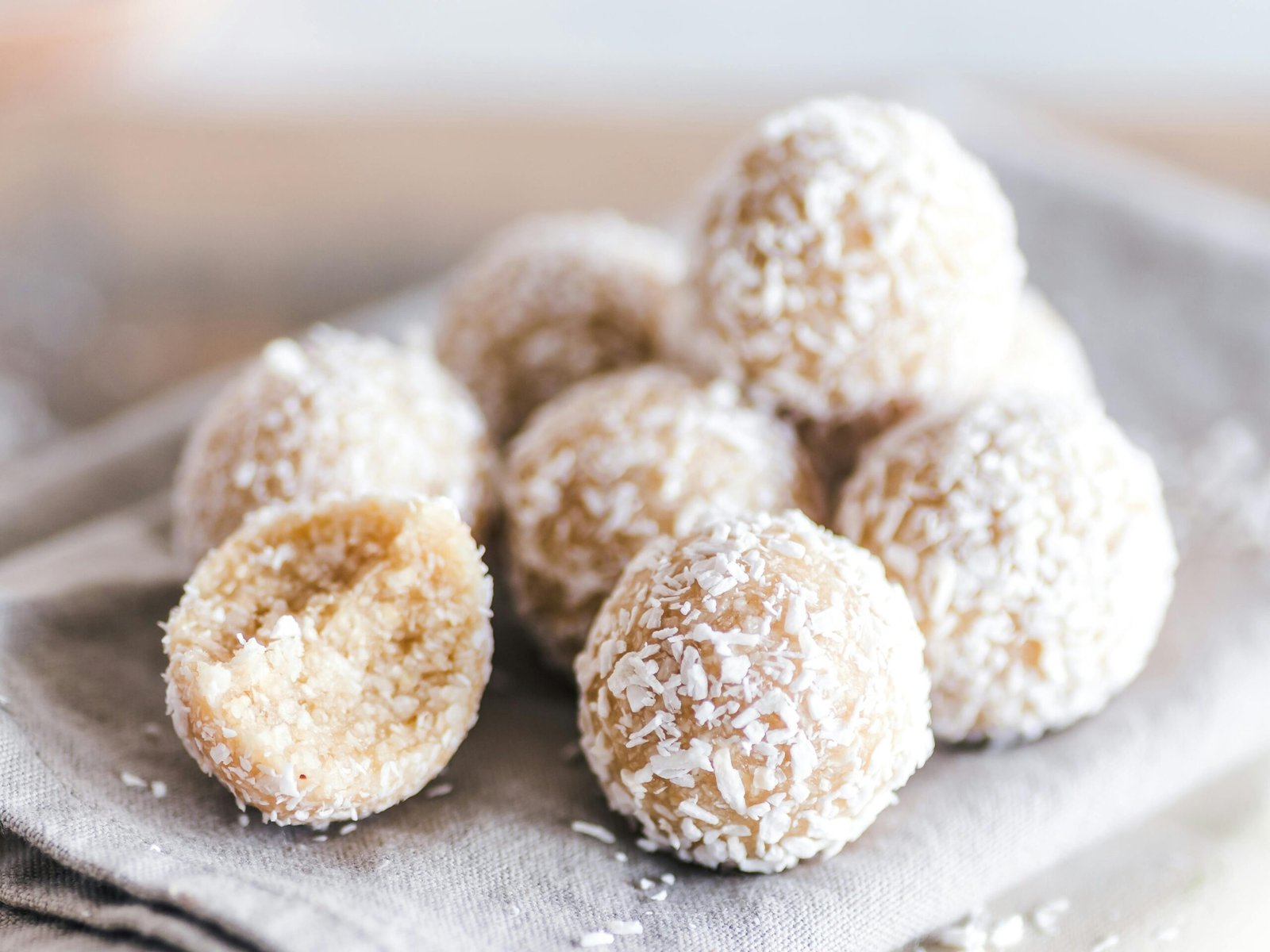
Beijinho, often referred to as the “little kiss,” is another coconut dessert that captivates the palate. Similar to brigadeiro, beijinho uses the same base of condensed milk and butter but incorporates grated coconut instead of chocolate. The mixture is cooked until it has a smooth, fudgy consistency, then rolled into small balls and coated with desiccated coconut. This dessert is frequently served at parties and festive occasions, making it a staple in Brazilian celebrations.
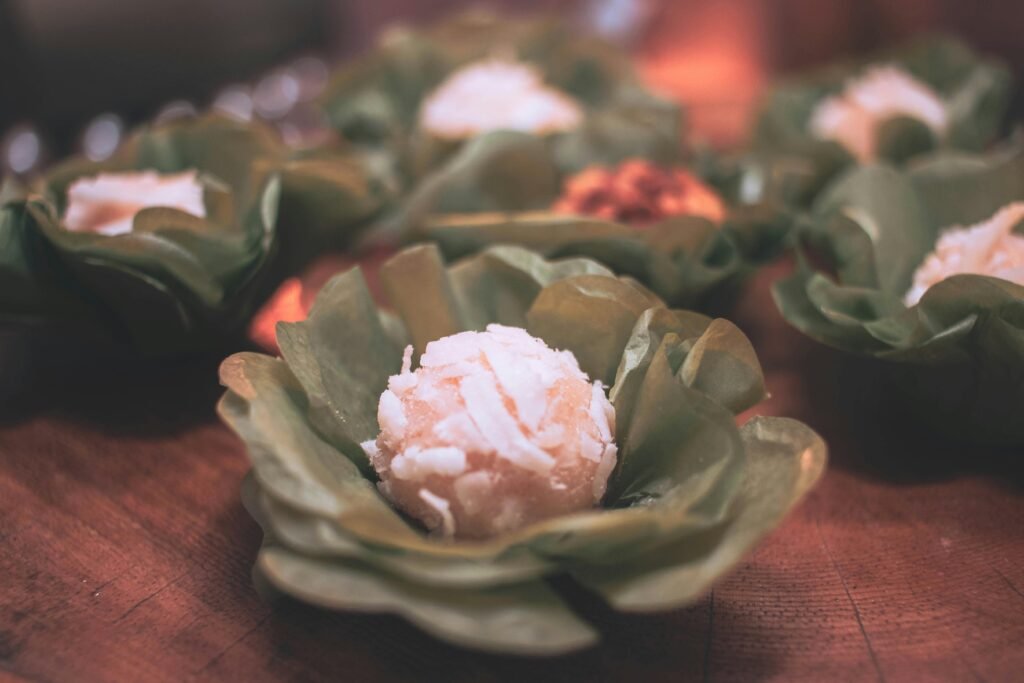
The joy derived from these coconut desserts extends beyond their taste; they evoke feelings of nostalgia and community when prepared and shared among family and friends. Their delightful sweetness and tropical flavor serve as a reminder of Brazil’s rich agriculture and the bountiful coconut palms lining its shores. Whether enjoyed at home or during special gatherings, cocada and beijinho certainly embody the spirit of indulgence and camaraderie found in Brazilian dessert culture.
Fruity Pleasures: Guava and Mango Delights
Brazilian desserts often highlight the country’s abundant tropical fruits, particularly guava and mango, which lend themselves beautifully to a variety of sweet creations. One of the most celebrated forms of guava in Brazilian cuisine is goiabada, a thick guava paste that is often enjoyed with cheese or used as a filling in pastries. The unique flavor of guava, characterized by its sweet yet slightly tangy profile, makes goiabada a delightful indulgence.

Mango, another favorite tropical fruit, plays a key role in desserts such as mousse de maracujá, which often incorporates mango puree for an extra layer of sweetness. This mousse is known for its light and airy texture, providing a refreshing treat perfectly suited for warm weather. The rich flavor of ripe mango enhances the overall profile of the dessert, making it a popular choice among locals and tourists alike.
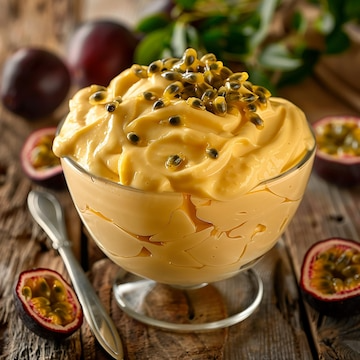
In addition to their delightful tastes, both guava and mango offer numerous health benefits. Guava is rich in dietary fiber, vitamins A and C, and antioxidants, contributing to overall health and wellness. Similarly, mangoes are a great source of vitamins A and C, and they also contain enzymes that can aid in digestion. These nutritional properties make desserts featuring guava and mango not only delicious but also a healthier indulgence.
Furthermore, the vibrant colors and aromatic qualities of these fruits enhance the visual appeal of Brazilian desserts, engaging the senses beyond just taste. The tropical essence captured in sweets like goiabada and mousse de maracujá showcases the rich agricultural heritage of Brazil and stands as a testament to the harmonious blending of flavor and health in Brazilian cuisine.
The Allure of Brigadeiro: Brazil’s Beloved Chocolate Bonbons
Brigadeiro, a traditional Brazilian dessert, has become a symbol of celebration and joy in Brazilian culture. Originating in the 1940s, it was initially created to support a political campaign by Brigadeiro Eduardo Gomes. Over time, the treat transformed into a beloved staple at various festivities, particularly at children’s birthday parties where their delightful presence has become almost mandatory. Made primarily from sweetened condensed milk, cocoa powder, and butter, brigadeiros are rolled by hand into bite-sized balls and then coated with colorful chocolate sprinkles. This rich, fudgy treat is not only a feast for the taste buds but also showcases the artistry of Brazilian confectionery.
The significance of brigadeiro in Brazilian society goes beyond mere sweetness. It is often associated with togetherness, marking joyful occasions and family gatherings. While birthday parties remain the most common setting for brigadeiro, its versatility allows it to shine at weddings, graduations, and various cultural celebrations. This dessert brings people together, inviting them to indulge in its chocolatey goodness while creating lasting memories.
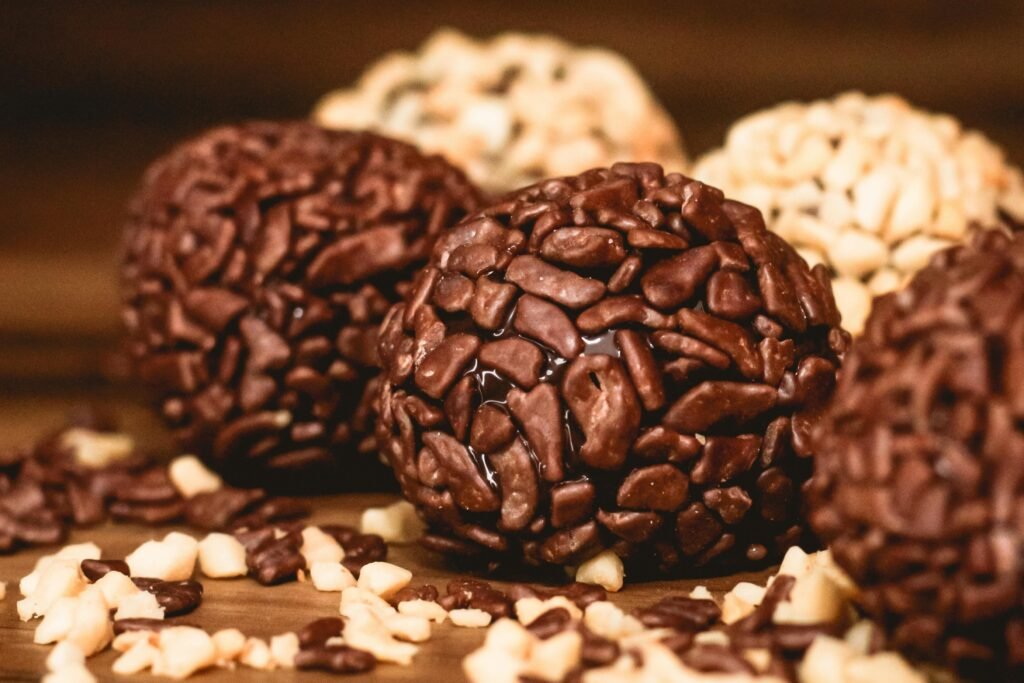
There are numerous variations of brigadeiro that reflect regional flavors and personal preferences, making it a constantly evolving treat. Some contemporary interpretations incorporate exotic ingredients such as coconut, nuts, or even different kinds of chocolate to enhance flavor profiles. Others may infuse brigadeiros with flavors like passion fruit or lemon to create a refreshing twist. The classic brigadeiro remains a favorite; however, these innovative versions highlight the flexibility of this cherished dessert.
Cheese and Sweet: A Unique Brazilian Combo
The combination of cheese and sweet flavors is a distinctive aspect of Brazilian desserts, showcasing an intriguing culinary tradition that delights the palate. One of the most iconic elements in this delightful pairing is queijo coalho. This semi-hard cheese, known for its mild and slightly salty flavor, is often grilled or fried and is a beloved snack throughout Brazil. When paired with sweet accompaniments, it provides a delightful contrast that enhances the overall taste experience.
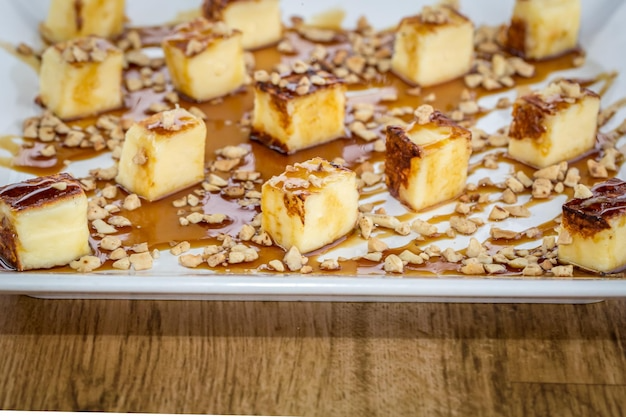
Brazilian desserts that feature cheese often highlight the harmonious coexistence of sweet and savory. Romeu e Julieta is a classic example, where soft white cheese, typically queijo minas, is paired with guava paste (goiabada). This combination delivers a perfect balance of flavors, with the creaminess of the cheese and the sweetness of the paste creating a truly unique treat. Many Brazilians enjoy this dessert as a snack or serving at gatherings, emphasizing its popularity and culinary importance.
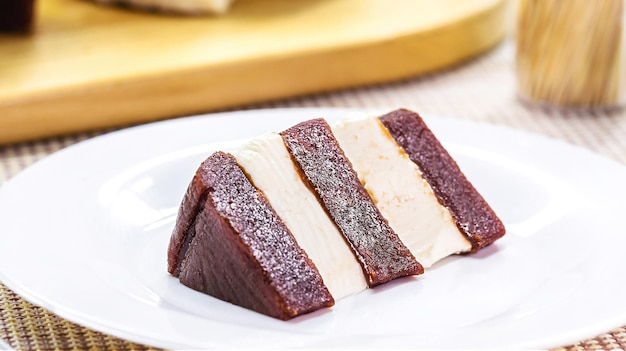
Another lesser-known dessert that exemplifies this cheese-sweet pairing is pudim de queijo, a creamy cheese flan that incorporates elements of traditional flan recipes with the addition of queijo minas or similar cheeses. This dessert is often served with a caramel sauce, which adds an extra layer of sweetness and richness, making it a delightful choice for those seeking a sweet finish to a meal.
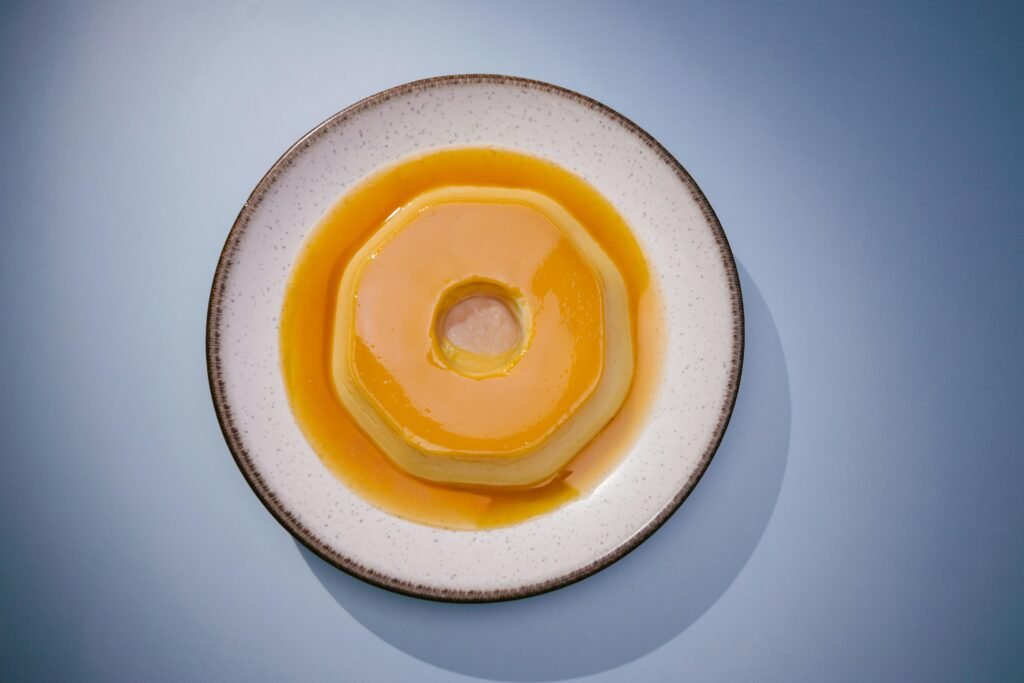
The practice of combining cheese and sweet elements in Brazilian desserts reflects a broader cultural appreciation for diverse flavors. This combination can be found in various regional recipes across Brazil, each with its unique spin on the sweet and savory pairing. The joy of exploring these desserts not only satisfies the taste buds but also offers a taste of Brazil’s rich culinary heritage.
Pudim: The Creamy Flan of Brazil
Pudim, a beloved custard dessert in Brazil, is comparable to flan in its deliciousness and texture. This delightful treat is cherished for its smooth, creamy consistency and rich caramel flavor, making it a favorite among locals and visitors alike. Traditionally, pudim is made from a simple mixture of eggs, sugar, milk, and sweetened condensed milk, which is then baked in a water bath to achieve its velvety perfection.
The classic recipe has stood the test of time; however, numerous modern interpretations have emerged, showcasing the versatility of this Brazilian dessert. Some innovative versions incorporate different flavors such as coconut, chocolate, or fruit, each adding a unique twist while maintaining the essential characteristics of pudim. These variations allow home bakers and professional chefs to explore new dimensions of taste while honoring the traditional roots of this cherished dish.
Pudim’s popularity extends beyond just its taste; it holds cultural significance as well. Often served at family gatherings and celebrations, this dessert symbolizes affection and warmth. Each spoonful evokes fond memories of shared experiences and togetherness, making it an integral part of Brazilian culinary heritage. As you venture through the different regions of Brazil, you will find that each locality may put its own spin on pudim, adapting the recipe to include local ingredients or personal preferences, which further enriches the culinary landscape.
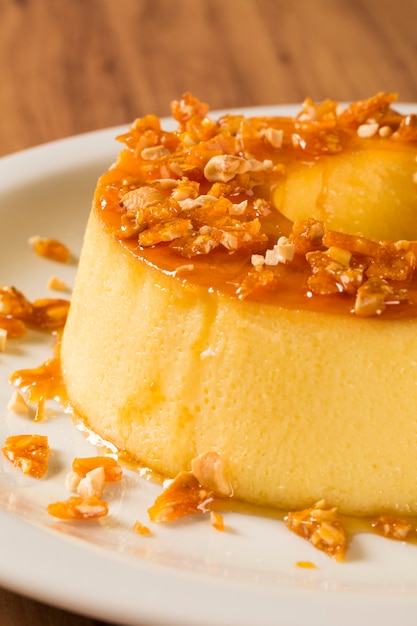
In conclusion, whether you indulge in the classic version or experiment with modern adaptations, pudim remains a quintessential representation of Brazilian dessert culture. Its creamy texture, combined with the delightful caramel flavor, ensures that this dessert will continue to capture hearts and palates for generations to come.
Traditional Simple Sweets: A Taste of Nostalgia
Brazilian cuisine is well-known for its vibrant flavors and diverse culinary traditions, and among its sweet treats, traditional sweets hold a special place in the hearts of many. Two iconic examples are pé de moleque and rapadura, both of which evoke feelings of nostalgia for those who grew up enjoying these delightful confections. These desserts not only serve as a treat but also as symbols of Brazilian cultural heritage.
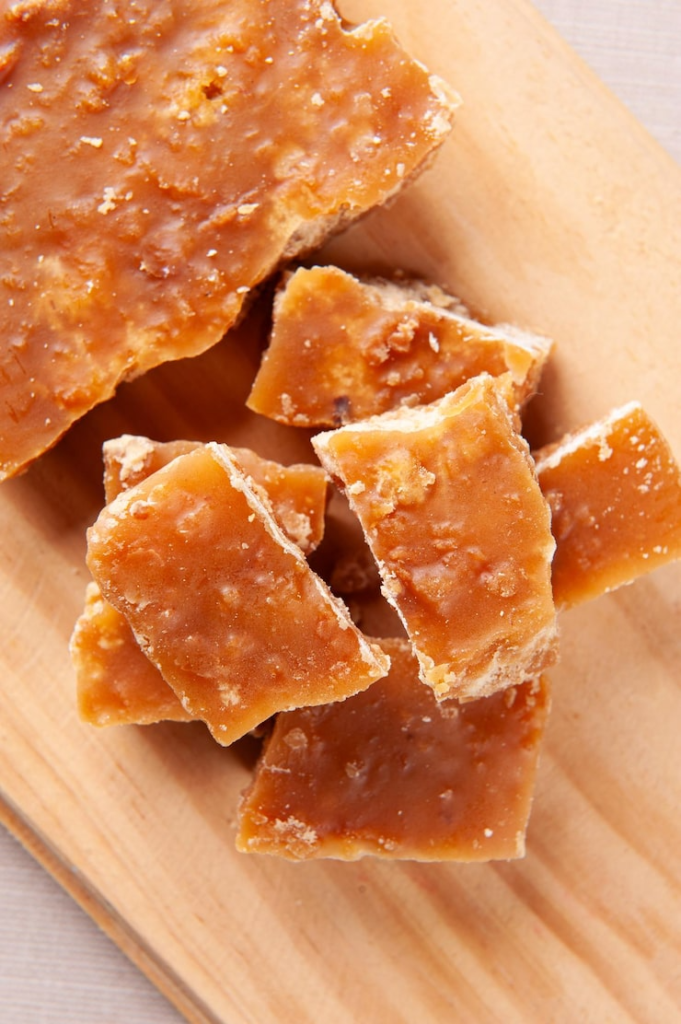
Pé de moleque, a peanut candy made from roasted peanuts and sugar, has its origins in the colonial era of Brazil. This beloved dessert boasts a rustic charm, as it is often prepared using simple ingredients that are easily accessible. The process involves cooking peanuts with sugar until a crunchy texture is achieved. It is frequently enjoyed during festivities, particularly at June festivals, which celebrate the harvest season. The enduring popularity of pé de moleque can be attributed to its simplicity and the way it delivers a powerful sense of belonging and tradition.
On the other hand, rapadura, or unrefined cane sugar, is another traditional sweet that plays a significant role in Brazilian society. Made by boiling sugarcane juice until it solidifies, rapadura is a versatile ingredient in various dishes and serves as a representation of the agricultural practices in rural areas. Many Brazilians associate rapadura with their childhood memories, as it was commonly sold by street vendors. This sweet is often enjoyed as a snack or used to sweeten other desserts, creating a connection to Brazil’s rich cultural landscape.
The cultural significance of these traditional sweets transcends generations. Pé de moleque and rapadura are not merely desserts; they are embodiments of Brazil’s historical context and social fabric. As families gather to enjoy these simple sweets, they also celebrate their heritage and foster a sense of unity, making these timeless treats an integral part of Brazilian life.
Influence of Regional Ingredients on Brazilian Desserts
The culinary landscape of Brazil is incredibly rich and diverse, influenced by a variety of regional ingredients that play a significant role in shaping the country’s desserts. One of the most iconic ingredients is açaí, a berry celebrated not only for its health benefits but also for its uniquely tart flavor. This ingredient is often used in frozen desserts, smoothies, and bowls, becoming a staple in Brazilian cuisine. The incorporation of açaí into desserts showcases how local produce can redefine traditional sweets with a contemporary twist.
Another prominent ingredient is the cashew nut, which originates from the tropical regions of Brazil. Cashew nuts are versatile in use, found in several sweet treats ranging from ice creams to cakes. Notably, they contribute a satisfying crunch and a creamy texture when processed into cashew cream. The nut’s distinct flavor enhances desserts, providing a delightful contrast that balances sweetness. Additionally, the universality of nuts such as Brazil nuts, peanuts, and walnuts in various regional recipes emphasizes how the local geographical elements impact dessert creation.
Regional fruits such as guava, passion fruit, and coconut further illustrate the area’s agrarian diversity and its influence on Brazilian sweets. Guava paste, or goiabada, is commonly paired with cheese in a treat called “Romeu e Julieta,” while passion fruit is frequently incorporated into mousses and tarts. Each of these fruits brings forth unique flavors and textures, which are seamlessly integrated into both traditional and innovative desserts.
In summation, the spectrum of regional ingredients distinct to Brazil beautifully reflects the country’s cultural tapestry through its desserts. Each local flavor contributes meaningfully to the diversity and complexity of Brazilian sweets, showcasing both a celebration of tradition and a canvas for contemporary culinary creativity.
Conclusion: The Joy of Savoring Brazilian Desserts
In exploring the diverse array of Brazilian desserts, we uncover not only a rich tapestry of flavors but also a profound cultural significance that each delicacy carries. Brazilian sweets are an embodiment of joy, often enjoyed during celebratory occasions or shared among families and friends during casual gatherings. These dessert experiences foster connections, offering a mouthwatering bridge between generations and geographical boundaries.
From the creamy, coconut-laden quindim to the delightful brigadeiro, these treats evoke a sense of nostalgia for many and a sense of wonder for those tasting them for the first time. Each recipe reflects the culinary traditions that have been shaped over centuries, highlighting Brazil’s rich heritage. The vibrant flavors of these desserts not only provide satisfaction but also invite shared moments of happiness, as families come together to celebrate life’s simple pleasures.
Encouraging readers to step into their kitchens to create their own Brazilian desserts is essential. By attempting to make these sweet delights at home, individuals can engage deeply with the culture, enhance their culinary skills, and most importantly, experience the joy that comes from sharing homemade treats with loved ones. Whether it’s around a festive table or an afternoon coffee break, the act of enjoying these desserts can transform a simple moment into a cherished memory.
In acknowledging the significance of Brazilian desserts, we recognize their capacity to connect us all. As you embark on this journey of taste, allow your senses to Eagerly explore the sweetness and delight that Brazilian culinary traditions have to offer. Make these recipes your own, and savor the joy they bring.