Understanding the Concept of Coziness
Coziness can be defined as a state of comfort and warmth, often evoking feelings of security and relaxation. This concept resonates with individuals on multiple levels, as it creates a nurturing environment that invites rest and rejuvenation. A cozy home is not merely about aesthetic pleasure; it encompasses an emotional and psychological refuge where one can unwind and reconnect with oneself. Therefore, understanding the essence of coziness is crucial in creating inviting living spaces that enhance well-being.
Psychologically, a cozy space promotes a sense of belonging and contentment. It fosters relationships, whether with family, friends, or even oneself, by providing an intimate setting for conversations, shared meals, or quiet evenings. This emotional connection is a vital aspect of what makes a space feel cozy. Furthermore, cozy environments have been linked to reduced stress levels; they signal to our minds that it is safe to relax, encouraging us to step away from the hustle and bustle of daily life.
The strategic use of space, light, and textures can significantly impact the overall feeling of coziness. For instance, soft lighting can create warmth, while plush furnishings contribute to physical comfort. Such elements work together to establish a comforting atmosphere that appeals to the senses. It is important to note that creating coziness is not bound by high budgets; even modest adjustments can lead to profound changes in how a space feels.
Incorporating personal touches—like meaningful decor or favorite textiles—reinforces the warmth of a home. By prioritizing coziness, one can transform an ordinary house into a sanctuary that nurtures mental and emotional health, making it essential to explore simple strategies to enhance this quality.
Soft Textiles as a Key to Comfort
Creating a cozy atmosphere in your home can be significantly achieved through the thoughtful incorporation of soft textiles. These materials, including blankets, pillows, and rugs, add layers of warmth and tactile comfort, turning an ordinary space into an inviting retreat.
When selecting soft textiles, it is essential to consider both texture and color. Fabrics such as fleece, cotton, or wool can impart a sense of warmth that invites relaxation. For instance, a chunky knit blanket draped over a sofa not only serves a practical purpose but also presents a visually appealing texture that draws people in. Conversely, smoother fabrics like velvet add a luxurious touch and can brighten a room when paired with lighter colors.
In terms of color, opt for warm, earthy tones that evoke tranquility. Shades such as deep browns, muted greens, and soft creams create a harmonious backdrop contributing to a serene environment. Additionally, incorporating accent colors can heighten the coziness factor—consider using rich reds or burnt oranges in your cushions or throws to introduce a welcoming burst of color.
Placement of these soft items is equally important. Blankets can be arranged on the back of sofas or chairs for easy access, while strategically placed pillows can enhance the comfort of seating areas. Area rugs are another staple when creating a cozy setting; they not only define spaces but also add warmth underfoot. Therefore, consider layering rugs to create depth and interest in your room—this technique is particularly effective in larger areas.
In summary, using soft textiles is an affordable and effective way to enhance comfort and create a more inviting atmosphere in your home. By thoughtfully selecting textures, colors, and placements, you can ensure that your living spaces feel harmonious and cozy, perfect for relaxation and enjoyment.
Create Warm Lighting
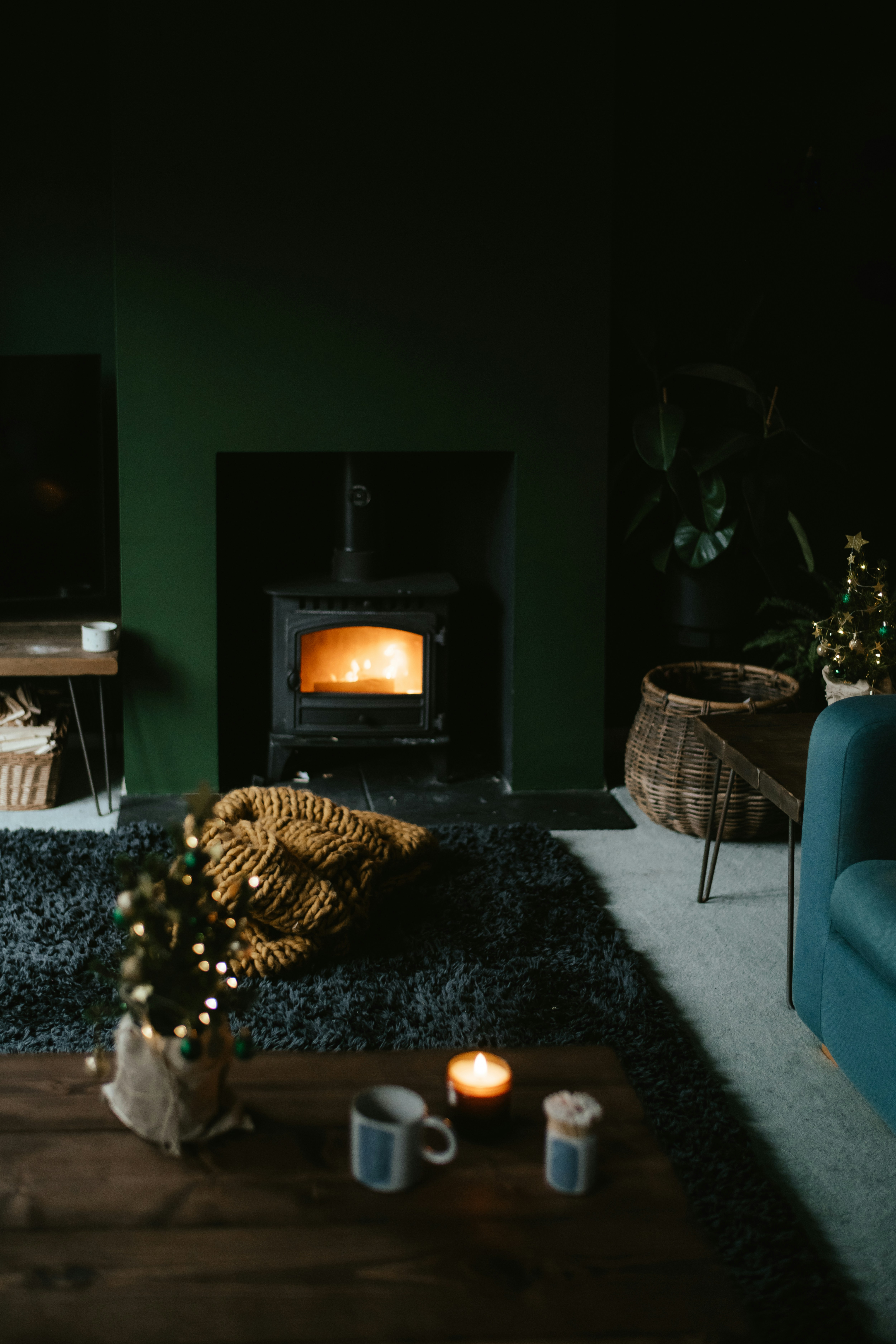
The importance of lighting in establishing a cozy atmosphere cannot be overstated. The right lighting can transform a room, making it feel inviting and comfortable. By opting for soft, warm light sources, you can create a welcoming environment that encourages relaxation and enjoyment. Instead of harsh overhead lights, consider using lamps with warm-toned bulbs or incorporating multiple light sources throughout a space.
Candles are an excellent choice for adding warmth and character to any room. The flickering flame of a candle not only provides romantic lighting but also creates a soothing atmosphere that can help reduce stress. For added safety, consider battery-operated LED candles that mimic the flickering effect without the risk of fire hazards.
In addition to candles, fairy lights can serve as a fantastic way to infuse your home with warmth and charm. These delicate strands of lights can be draped along walls, wrapped around furniture, or hung above doorways to create a whimsical yet comforting ambiance. Fairy lights are particularly effective in bedrooms or living rooms, where they contribute to a cozy nighttime environment.
Layering your lighting can significantly enhance the overall coziness of your space. By combining different types of light sources—such as floor lamps, table lamps, and wall sconces—you create depth and visual interest. This method allows you to adjust the brightness of your environment according to the time of day or mood, ensuring a comfortable atmosphere at all times.
In conclusion, creating warm lighting through the use of candles, fairy lights, and layered light sources can significantly impact the overall coziness of your home. By thoughtfully incorporating these elements, you can establish a relaxing and inviting atmosphere, even on a budget.
Incorporate Personal Touches
Creating a cozy atmosphere in your home can be significantly enhanced by incorporating personal touches that reflect your unique personality and experiences. Personal items, such as photographs, souvenirs, and artwork, serve as meaningful reminders of cherished memories and connections. Displaying these items not only adds warmth to your living space but also fosters a sense of belonging and comfort.
Start by identifying items that hold sentimental value. For instance, family photographs can be beautifully displayed using a gallery wall or framed sets, allowing you to create a visual narrative of your journey. Grouping photographs together can make a bold statement while creating an intimate feel in the room. Consider using different frame styles or colors to add a touch of visual interest, enhancing the overall aesthetic.
In addition to photographs, travel souvenirs and mementos can also add character to your home. These can include trinkets, handmade crafts, or even postcards from different places you’ve visited. Arrange these items in decorative shadow boxes or on a shelf to showcase your adventures, acting as conversation starters for guests while simultaneously evoking happy memories for you.
Art also plays a vital role in personalizing your space. Consider hanging pieces that resonate with you, whether they reflect your interests, hobbies, or cultural backgrounds. If you are crafty, creating your own art or repurposing older pieces can be a fulfilling way to add a personal flair to your décor.
Ultimately, the goal is to create an inviting environment that speaks to who you are. By thoughtfully arranging your personal items, you can transform your house into a home full of warmth and character, ensuring that it feels cozy and welcoming each day.
Embrace Natural Elements
Incorporating natural elements into your home can significantly enhance the ambiance, creating a cozy and inviting atmosphere. The presence of plants, flowers, and wooden textures brings a touch of the outdoors inside, making spaces feel warmer and more alive. The psychological benefits of interacting with nature are well-documented, suggesting that having greenery within our living spaces can reduce stress and promote a sense of well-being.
One of the easiest ways to embrace natural elements is by adding houseplants. Options like snake plants, pothos, and peace lilies are not only visually appealing but also require minimal care, making them ideal for any homeowner. Strategically placing these plants near windows can maximize sunlight exposure while enhancing areas like living rooms, bedrooms, or even home offices. In addition to being aesthetically pleasing, plants purify the air, contributing to a healthier indoor environment.
Flowers, whether fresh or dried, can also elevate the coziness of a home. A simple vase of seasonal blooms on a dining table or countertop can add color and vitality to a room. To ensure these floral arrangements tie in seamlessly with your home’s decor, consider the color palette and style of the space. For instance, rustic wooden vases can complement a farmhouse interior, while sleek ceramic pieces can enhance a modern aesthetic.
Furthermore, incorporating wooden elements, such as furniture or decorative items, can create a natural, warm feel. Consider using reclaimed wood in items like shelving, tables, or frames to add character and history to your rooms. Mixing different types of wood, varying the textures and finishes, can create a harmonious look that contributes to the overall coziness.
To achieve a truly inviting space, aim for a balance of natural elements throughout your home. This could involve creating a botanical corner, layering wooden decor with soft textiles, or ensuring that views of outdoor greenery are unobstructed. By thoughtfully integrating these elements, you can cultivate an environment that feels cozy, welcoming, and connected to nature.
Use Warm Colors
Color plays a crucial role in setting the atmosphere of any space, and it can significantly influence the perception of coziness in your home. By choosing warm colors, you can create a more inviting and comfortable environment. Earthy shades like terracotta, soft browns, and muted greens evoke a sense of warmth and tranquility. These colors connect us to nature and can inspire feelings of safety and relaxation, making your living space feel like a true sanctuary.
Additionally, using soft pastels such as buttery yellows, gentle peaches, and pale blush can further enhance the cozy ambiance of a room. These hues tend to reflect light perfectly, making smaller areas look welcoming and cheerful without overwhelming them. They also look great when combined with light-colored furniture or accessories, which can elevate the coziness factor significantly.
When permeating your home with color, consider adopting a palette where warm tones harmonize with one another. For instance, pairing muted mustard yellow walls with cozy shades of oatmeal and cream-colored furnishings can produce a compelling aesthetic that invites comfort. You might also consider combining warm colors with natural textures, such as wood or woven materials, as these elements can enhance the overall coziness of the space.
Furthermore, documenting your color choices in art and decor can tie the room together seamlessly. Including warm, colorful throw pillows, blankets, or rugs can accentuate the warmth while making the home feel more lived-in and personalized. Remember, the right color combinations can transform your home into an inviting haven, where warmth and comfort take precedence over starkness or coolness.
Scent Your Space
Creating a cozy atmosphere in your home goes beyond just the visual elements; scent plays a crucial role in evoking feelings of warmth and comfort. The right fragrances can transport us to fond memories or create an inviting ambiance that makes us feel at ease. Incorporating scents into your home can be done effectively using budget-friendly options such as candles, essential oil diffusers, and incense.
Candles are a popular choice for enhancing home fragrance. They not only provide light but also release soothing scents as they burn. Opt for candles with fragrances like vanilla, cinnamon, or sandalwood, which are known for their warming qualities. The flickering flame adds a sense of tranquility, allowing you to unwind after a long day.
Essential oil diffusers are another excellent way to infuse your living space with inviting aromas. By choosing oils such as lavender, bergamot, or eucalyptus, you can create a relaxing atmosphere that promotes a sense of calm and comfort. Additionally, diffusing oils can offer therapeutic benefits, improving air quality and providing a sense of well-being.
For those who appreciate a more traditional approach, incense can also contribute to a cozy environment. With various fragrances available, such as patchouli, frankincense, or sweet orange, burning incense can create a serene space that encourages relaxation and mindfulness.
If you prefer a subtle aroma, consider using potpourri or herbal sachets made with dried herbs such as rosemary, thyme, or mint. These options allow for a more gentle scent that can refresh your space without being overpowering.
Ultimately, scenting your space is a simple yet effective method to enhance the cozy feel of your home. Experiment with different fragrances to discover what resonates with you and contributes to a warm, inviting atmosphere.
Creating Inviting Cozy Zones
Establishing cozy zones in your home can significantly enhance its warmth and appeal, making it a sanctuary for relaxation. These designated areas can serve different purposes, whether it’s for reading, unwinding, or enjoying a warm cup of tea. With thoughtful arrangement and simple DIY projects, you can transform any corner of your home into an inviting retreat.
To start, identify areas in your home that could benefit from a cozy touch. A window seat can be an excellent option for reading, where you can enjoy sunlight pouring in while surrounded by cushions and a soft throw blanket. Position a small bookshelf nearby to keep your favorite reads close at hand. Adding a small side table can provide a place for your beverages, making the space functional as well as comfortable.
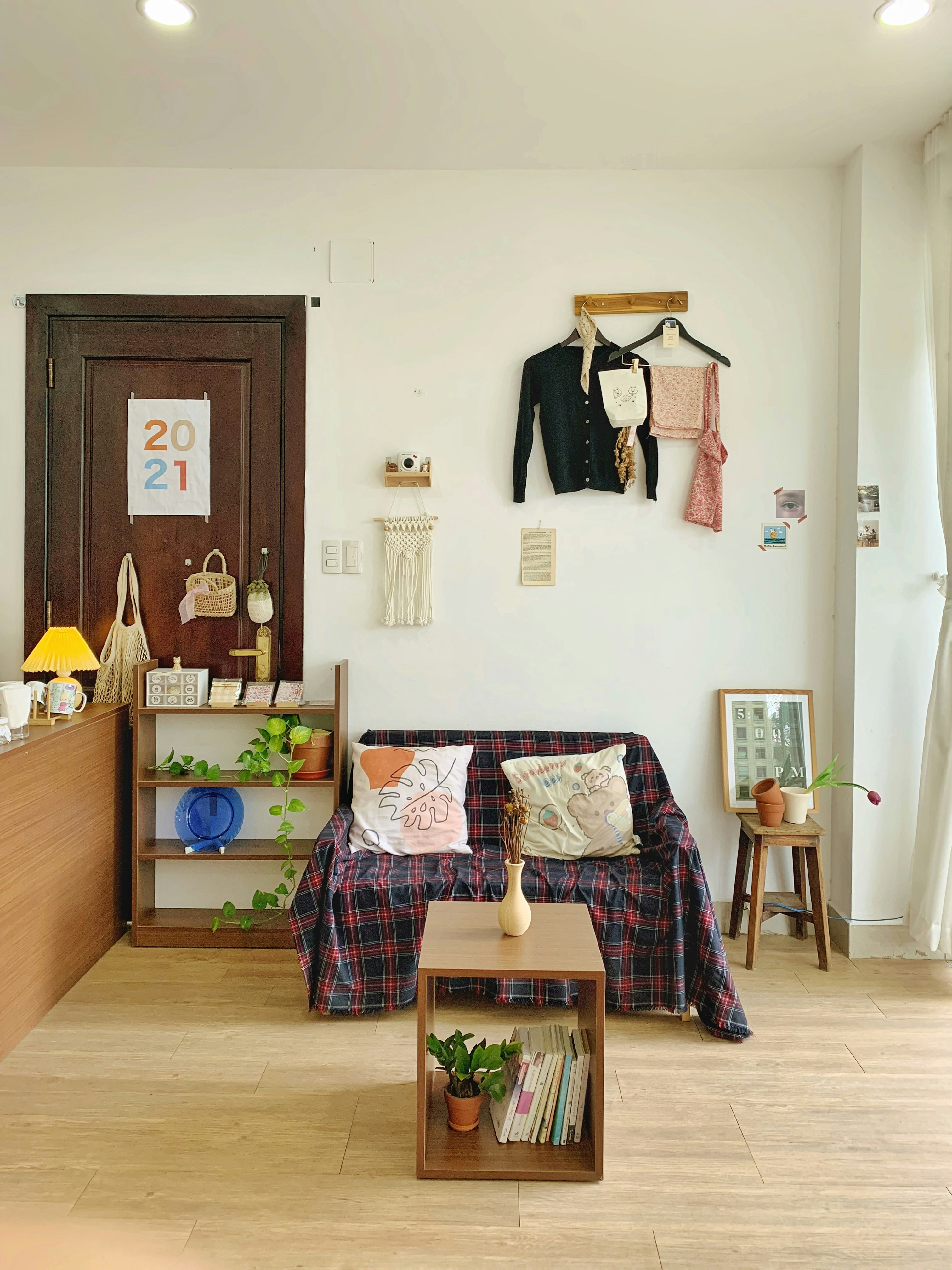
If you have an unused corner, consider creating a cozy nook with a comfortable armchair and a soft rug. Layered textiles, such as a plush throw and decorative pillows, will enhance comfort and create a welcoming atmosphere. Additionally, consider incorporating plants to breathe life into the space; greenery not only adds aesthetic value but also improves air quality, promoting a sense of well-being.
For those short on budget, simple changes can make a significant impact. Rearranging existing furniture to create an intentional cozy zone is an effective strategy. Instead of placing all furniture against the walls, pull seating closer together to foster an intimate atmosphere. Lighting is another critical element; soft, warm lights can be achieved using floor lamps or string lights, creating an inviting glow that encourages relaxation.
Ultimately, the key to establishing cozy zones in your home lies in personalizing these spaces to suit your lifestyle and preferences. Whether it’s a corner for quiet reflection or a social gathering space, defining these areas will foster a sense of comfort and belonging in your home.
Keep It Clutter-Free
A tidy space is fundamental to creating a cozy atmosphere within your home. When surfaces are cluttered, it can feel overwhelming and chaotic, detracting from the inviting environment one wishes to achieve. Thus, maintaining an organized space not only enhances comfort but also contributes to a serene mindset. To ensure your home remains inviting and comfortable, practical strategies for decluttering and organizing are essential.
Start by creating designated spaces for all your belongings. This will help you avoid accumulation of items in common areas. Use baskets, bins, or decorative boxes to store miscellaneous items that may otherwise create visual distractions. Labeling helps too; it makes it easier to find what you need without rummaging through a pile of miscellaneous objects. Additionally, consider the one-in, one-out rule. For every new item you bring into your home, consider removing one item. This practice helps maintain balance and ensures that your space does not become overcrowded.
Regularly review your items, and be mindful of what you genuinely need. Set aside a few moments each week to tackle a different area of your home. Whether it’s your kitchen countertop, your drawers, or your bathroom sink, breaking tasks down into manageable sections ensures that cleaning doesn’t feel overwhelming. Another effective method is to establish a regular cleaning schedule, making decluttering a consistent part of your routine rather than a one-time event.
Incorporating these methods not only promotes a tidy environment but contributes substantially to the overall coziness and tranquility of your home. A clutter-free space reflects a more serene lifestyle and creates an inviting area that encourages relaxation and comfort.