
Table of Contents
Introduction: Embracing a New Year with Grace
The arrival of a new year is often heralded by the traditional practice of setting resolutions. For many busy adults, these resolutions can induce a significant amount of stress and pressure. Rather than fostering personal growth, they sometimes lead to feelings of failure when goals become overwhelming or unrealistic. This blog post presents a gentle New Year plan designed to align with the lifestyles of busy individuals, allowing them to cultivate their aspirations with kindness and compassion.

Typically, New Year resolutions ramp up expectations, pushing individuals to aim for grand changes in a short period. However, this approach frequently neglects the realities of daily life, such as work commitments, family obligations, and personal care. A more thoughtful approach emphasizes setting achievable and realistic goals that encourage small but meaningful progress. By doing so, adults can navigate their busy lives while embracing the spirit of the new year without unnecessary pressure.
It is essential to shift the focus from drastic life overhauls to gradual improvements. A gentle plan acknowledges that transformation is a journey, allowing individuals to adopt goals that resonate with their unique circumstances. This leads to sustainable change, minimizing the risk of burnout or disappointment. A balanced perspective, centered on personal values and priorities, can pave the way for a fulfilling year, marked by intentional growth.
In instituting a gentle New Year plan, busy adults can foster an environment that promotes well-being and encourages reflection, paving the way for genuine personal development. As we delve deeper into specific strategies, we will explore ways to embrace this compassionate approach, ensuring that the New Year is met with grace and enthusiasm rather than stress and discontent.
Understanding the Need for a Gentle Approach
The fast-paced lifestyle of many adults often leads to overwhelming feelings of stress and burnout. In today’s society, individuals juggle numerous responsibilities, from work commitments to family obligations. This hectic routine can make the prospect of implementing drastic lifestyle changes seem not only daunting but also unattainable. As a result, many people may abandon their goals before even making progress. Hence, there is a fundamental need for a gentle approach that encourages gradual adjustments rather than large-scale transformations.
A gentle approach acknowledges the reality of busy lives and prioritizes sustainability over perfectionism. Instead of demanding immediate and significant changes, which can lead to frustration and a sense of failure, this approach promotes small, manageable steps. For instance, integrating brief periods of physical activity into the day or prioritizing short moments for mindfulness can enhance overall well-being without adding excessive pressure. By recognizing one’s current lifestyle, individuals can develop strategies that conveniently fit into their existing routines.
This methodology fosters a sense of accomplishment and encourages continued efforts towards better health. It emphasizes that any progress, no matter how minor, contributes significantly to overall improvement. Furthermore, a gentle approach helps to mitigate the fear of failure that often accompanies rigid goal-setting. Instead of striving for unattainable perfection, this framework focuses on cultivating a sustainable and healthier lifestyle that aligns with personal values and commitments.
In embracing a gentler strategy, adults can promote their well-being without the risk of burnout. The key lies in viewing the journey towards a healthier life as a gradual process, where consistency and self-compassion take precedence over strict discipline or rigid expectations.
Reflecting on the Previous Year: Learning from Experiences
As the year comes to a close, it presents a valuable opportunity for busy adults to pause and reflect on the past twelve months. Understanding our experiences enables us to recognize patterns in our successes and challenges, guiding us towards a more fulfilling year ahead. Engaging in this kind of reflection can illuminate what worked well and what areas might benefit from improvement in the upcoming year.
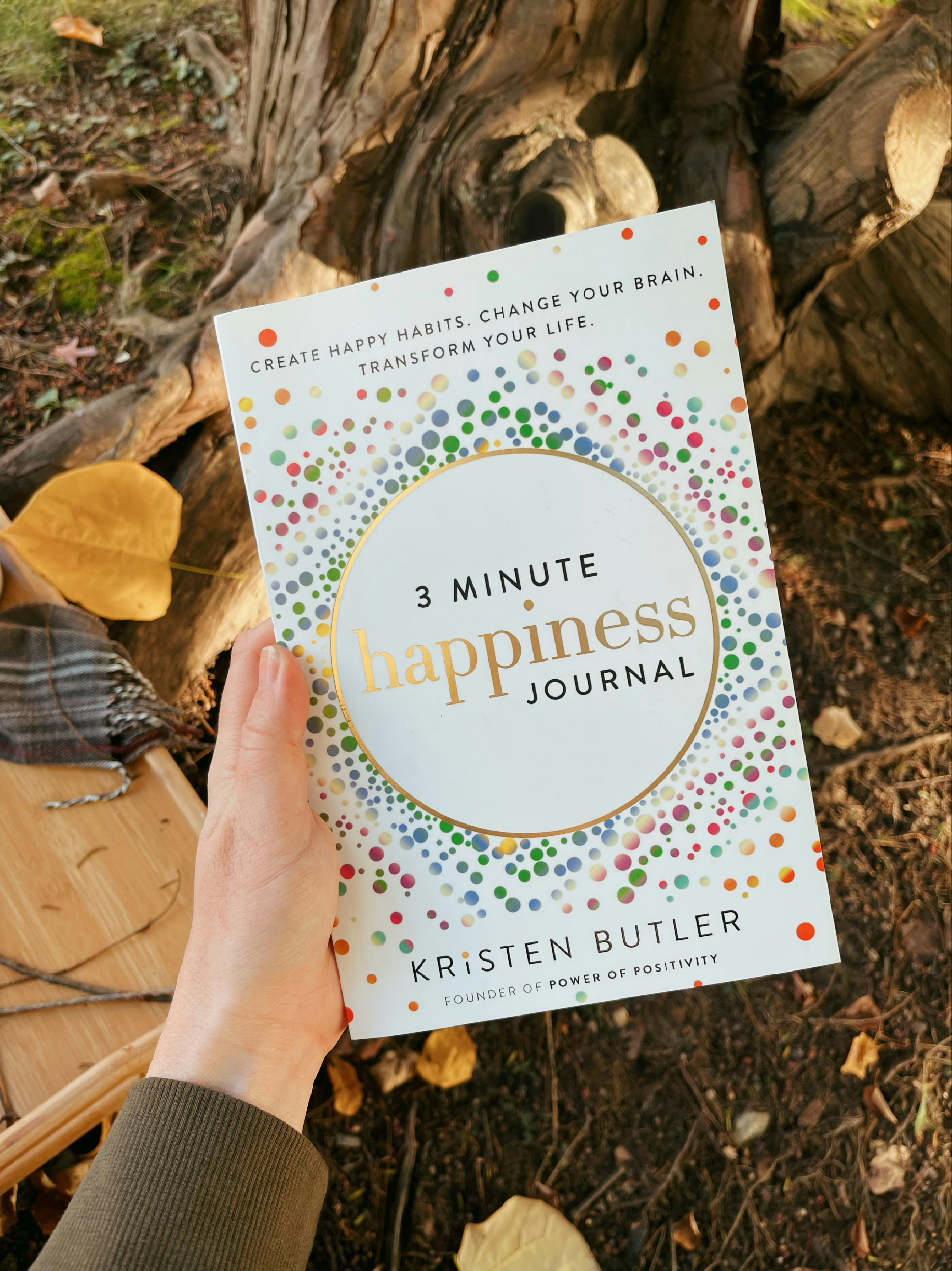
One effective method to facilitate this reflective process is through journaling. Consider setting aside a few quiet moments to write about key events from the past year. You might start by addressing specific prompts such as: “What achievements am I most proud of?” and “What challenges did I encounter, and how did I respond to them?” These reflective questions encourage a deeper analysis of your experiences, prompting insights into your strengths and areas for growth.
Additionally, creating a list of the top three things you learned about yourself in the previous year can be both enlightening and empowering. Consider sharing this list with a close friend or mentor who can provide constructive feedback. This exchange not only reinforces valuable lessons learned but also fosters accountability as you set new intentions.
Another approach could involve visualizing your year with a mind map, connecting various achievements, obstacles, and key lessons. This method can effectively illustrate the journey you undertook, presenting a clear view of how you evolved and what changes you wish to make moving forward.
By dedicating time for reflection, busy adults can gather crucial insights that equip them to set meaningful goals for the new year. The process not only aids in personal growth but also prepares you for taking on fresh challenges with renewed determination.
Setting Gentle Goals: The S.M.A.R.T. Way
The S.M.A.R.T. goals framework, which stands for Specific, Measurable, Achievable, Relevant, and Time-bound, serves as an effective method for busy adults to set resolutions that are both gentle and manageable. This approach allows individuals to create goals that align with their personal lifestyles, reducing the stress that often accompanies traditional resolutions.
To begin with, it is crucial to develop Specific goals. Rather than resolving to “exercise more,” one could aim to “walk for 20 minutes after lunch three times a week.” This specific goal allows for clarity in what is desired, providing a clear direction for action.
Next, consider how to make the goal Measurable. Incorporating quantifiable elements can aid in tracking progress, thus keeping motivation levels high. For example, rather than saying, “I want to eat healthier,” it could be reframed as, “I will prepare at least two home-cooked meals each week.” This focus on home cooking forms a measurable target that can seamlessly integrate into a busy routine.
When evaluating goals for their Achievability, it’s essential to assess personal circumstances. Setting a goal to “run a marathon in three months” may not be feasible for everyone. Instead, a more attainable goal could be, “I will jog for 15 minutes twice a week and gradually increase my duration.” This gentle approach enhances the likelihood of success.
Furthermore, goals must be Relevant to the individual’s life. For instance, if someone values family time, they could adjust their goals to include shared activities like “family hikes every Saturday.” This adjustment creates a more fulfilling experience.
Lastly, establishing a Time-bound element frames the goal within a realistic time frame. Aiming for “progress by the end of June” provides motivation while allowing the flexibility that a busy schedule demands. Adapting the S.M.A.R.T. strategy with gentleness aids busy adults in pursuing meaningful and achievable resolutions this New Year.
Creating a Supportive Environment
Establishing a supportive environment is crucial for nurturing gentle changes in your life, particularly when embarking on a New Year plan amidst the busy demands of adult life. A well-structured environment not only facilitates personal growth but also promotes mental well-being, making it easier to integrate positive habits.
The first step in creating this supportive atmosphere involves decluttering your physical spaces. A tidy home contributes to a calm and focused mind, thereby reducing distractions that can hinder your journey toward gentle transformation. Begin by assessing each room, prioritizing areas that may serve as stressors, and systematically removing items that no longer serve a purpose. Consider using the “Four-Box Method”—Keep, Donate, Trash, and Relocate—to streamline this process. As a result, physical decluttering can lead to mental clarity, allowing you to focus better on your New Year resolutions.
Mental clutter often weighs heavily on busy adults, contributing to stress and overwhelming feelings. To address this, incorporate mindful practices into your daily routine. Techniques such as journaling, meditation, or even short walks can help untangle complex thoughts and lighten your mental load. Designate specific times throughout the week for these activities to ensure they become a consistent part of your schedule. This approach enables you to eliminate distractions and facilitates a more focused and intentional mindset, beneficial for achieving your goals.
Involving family and friends in your journey toward gentle changes creates a network of support that can reinforce your efforts. Communicate openly about your intentions and invite them to join you in activities that foster a supportive environment. For instance, setting up weekly family meetings to share goals or holding a decluttering party can enhance collective accountability and encourage positive change.
Incorporating Mindfulness and Self-Compassion
Incorporating mindfulness and self-compassion into a busy adult’s routine is essential for a gentle and sustainable New Year plan. Mindfulness practices enhance emotional wellbeing and promote a deeper awareness of one’s thoughts, feelings, and environment. These practices can seamlessly fit into the daily lives of busy individuals, offering respite and clarity amidst the hectic pace of modern life.
To begin integrating mindfulness into your daily routine, start by allocating just a few minutes each day for mindful breathing exercises. This can be done while commuting, during lunch breaks, or before bed. Focus on your breath, noticing the inhalation and exhalation, which helps center your thoughts and reduces stress. There are numerous applications available that offer guided meditations aimed at helping users cultivate mindfulness, which can be beneficial for those new to the practice.
Another effective technique is the practice of mindfulness during daily activities, such as eating or walking. Engage fully in the experience by paying attention to the textures, flavors, and aromas of your food or the sensations in your body as you move. This simple act can turn routine moments into opportunities for mindful reflection.
Moreover, self-compassion is a vital component of a gentle New Year plan. Busy adults often hold themselves to unrealistic standards, leading to stress and burnout. Practicing self-compassion involves treating yourself with kindness in the face of personal failures or challenges. For instance, consider reflecting on moments of self-doubt by asking how you would respond to a friend in similar circumstances; likely, you would offer words of encouragement and support. Extending this same compassion toward oneself fosters a healthier mindset.
Incorporating these practices into your daily life can significantly improve emotional resilience and overall happiness. By prioritizing mindfulness and self-compassion, individuals can navigate their busy lives with a renewed spirit and a gentler approach to the New Year.
Building a Routine: Small Steps Matter
Establishing a daily routine is a cornerstone for busy adults seeking to cultivate a balanced life while achieving their goals. A well-structured routine does not necessitate drastic changes; instead, it thrives on the incorporation of small, manageable actions. These incremental steps can lead to significant improvements over time, making the process less daunting and more achievable.
One effective method for prioritizing tasks within your routine is the Eisenhower Matrix. This tool helps you categorize tasks based on urgency and importance, ensuring that you focus on what truly matters. By distinguishing between tasks that need immediate attention and those that can be scheduled later, it is possible to create a clearer path toward your objectives. Integrating self-care into your daily routine is equally crucial. Simple activities such as a brief morning meditation, stretching exercises, or taking a short walk can rejuvenate your mind and body, enhancing overall productivity.
Flexibility is another key component when building a sustainable routine. Life’s unpredictability may demand adjustments to your schedule, and understanding that it is acceptable to modify plans can significantly reduce stress. Setting aside buffer times between your tasks allows for unexpected interruptions while ensuring that you remain on track. This adaptability is essential, particularly for busy adults juggling multiple responsibilities.
Incorporating small actions into your daily routine, prioritizing effectively, making time for self-care, and allowing room for flexibility can greatly enhance your capacity to stay focused and achieve your goals. Establishing this framework ultimately empowers you to make steady progress, ensuring that small steps accumulate into substantial advancements in your personal and professional life.
Tracking Progress and Adjusting Goals
In the pursuit of personal development, especially in the context of a New Year plan, tracking progress is vital for busy adults striving to prioritize their well-being. Monitoring how one advances toward established goals not only provides tangible evidence of growth but also serves as a motivational tool. Implementing a structured approach to track progress can foster a sense of accomplishment, rewarding participants for their efforts and encouraging continued engagement. This could involve maintaining a journal, utilizing mobile applications, or even employing simple checklists. Celebrating small wins along the way, such as recognizing incremental changes and achievements, can significantly enhance one’s journey, reinforcing positive habits and goals.
Regularly assessing goals is equally important. As the year unfolds, circumstances may shift, and priorities may evolve, necessitating a critical evaluation of one’s objectives. An adaptable mindset allows individuals to remain flexible, recognizing that adjusting goals can lead to more relevant and achievable outcomes. Setting aside time for periodic reflection ensures that goals remain aligned with personal values, current life situations, and evolving aspirations. This adaptability is not only beneficial but also essential for sustaining motivation and preventing burnout in fast-paced environments.
Additionally, embracing the concept of iterative goal setting can promote continuous improvement. Rather than viewing goals as unchangeable targets, treating them as living frameworks opens the door for personal transformation. By understanding that it is perfectly acceptable to modify goals—not in defeat, but as a strategy for better alignment—busy adults can navigate their New Year plans with increased confidence. In this way, tracking progress effectively couples with the willingness to pivot, creating a robust framework that supports both resilience and growth in the face of life’s complexities. By integrating these practices, individuals can optimize their journeys, ensuring that they remain relevant and fulfilling throughout the year.
Conclusion: A Year of Gentle Growth Awaits
As we contemplate the New Year and the resolutions it often inspires, it is vital to shift our focus from rigid goals to the concept of gentle growth. This approach allows us to craft a life that not only aligns with our values but also recognizes our unique energy levels and personal circumstances. Balance is key; hence, a gentle New Year plan emphasizes making sustainable changes that enhance our well-being rather than overwhelming us with expectations.
It is essential to acknowledge that personal growth does not have to be a frenetic race. Embracing a gradual pace can lead to more meaningful achievements and a greater sense of fulfillment. Throughout the year, take conscious steps to ensure each change resonates with your core values. This alignment can foster a more authentic life, nurturing both mind and body as you progress.
As you embark on this journey, remember that every small victory counts. There is value in the process itself, allowing growth to unfold naturally. By allowing yourself to take things slowly, you create an opportunity for joy and reflection, which often leads to deeper insights and lasting habits. Allow patience to be your companion in this voyage; gentle growth often brings forth resilience and strength.
Thus, as the New Year approaches, let go of the pressures that accompany traditional resolutions. Instead, embrace the beauty of incremental change that aligns with your authentic self. A gentle New Year plan fosters not only personal growth but also a more compassionate outlook towards others and oneself. Here’s to a year filled with serenity and rich, rewarding experiences as we cultivate a gentle journey of growth together.