

Table of Contents
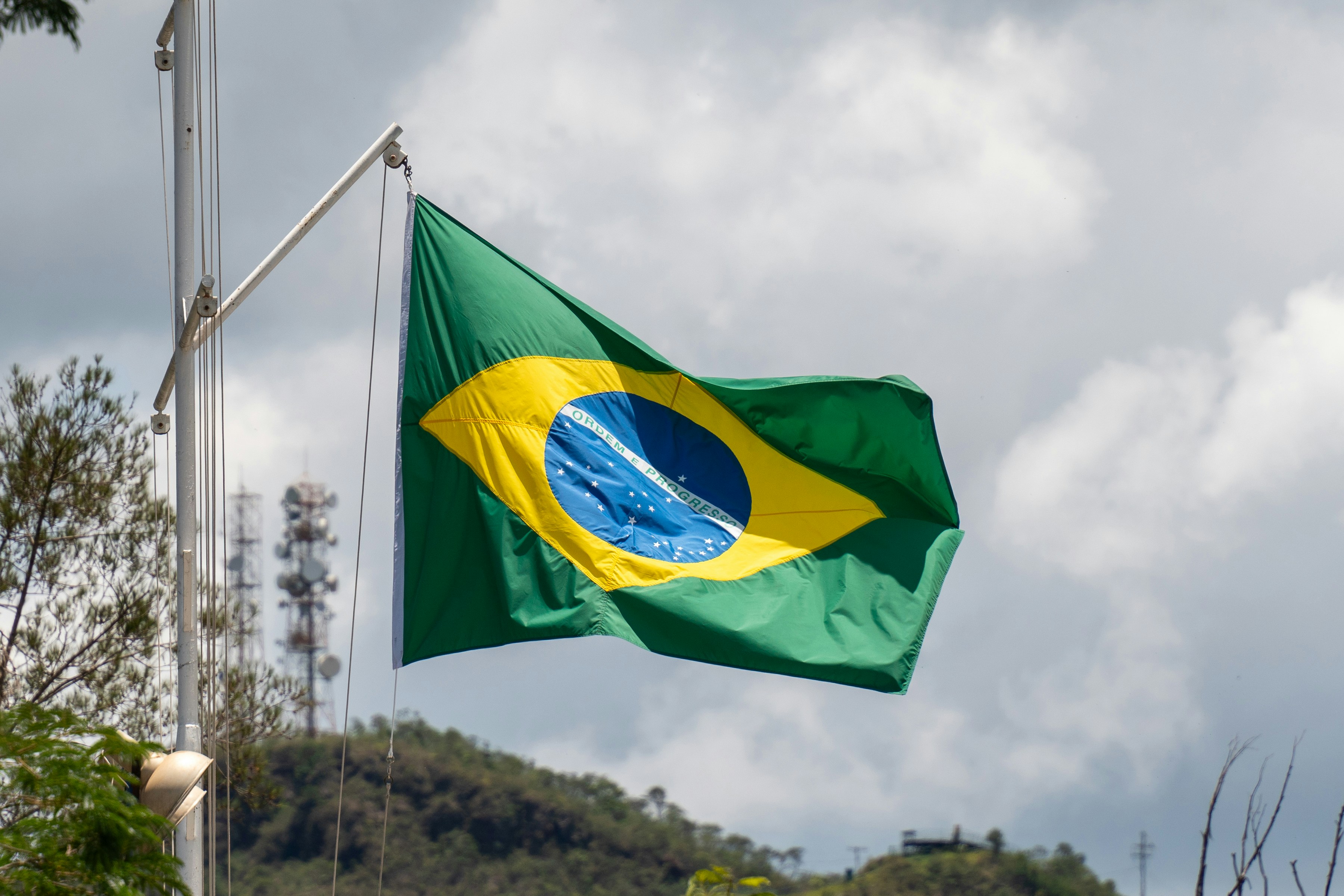
Introduction to Brazil’s Visual Joy
Brazil, the largest country in South America, is renowned for its vibrant culture, picturesque landscapes, and rich traditions that collectively contribute to a visual feast unlike any other. This nation is a lively amalgamation of influences stemming from its indigenous roots, Portuguese colonization, African heritage, and modern global trends, forming a dazzling mosaic of experiences and sights.
The visual joy of Brazil is prominently highlighted in its festivals, art, and music. The world-famous Carnival, held annually, showcases a spectacular array of costumes, parades, and samba rhythms that electrify cities, embodying the essence of Brazilian spirit and exuberance. From the bold costumes adorned with feathers to the intricate floats that glide through the streets, every element of the celebration captures the country’s zest for life.
Moreover, Brazil’s diverse landscapes play a crucial role in its visual appeal. From the unspoiled beaches of Bahia to the lush Amazon rainforest, and the striking heights of the Sugarloaf Mountain, each locale offers unique perspectives and colors that reflect the country’s lush beauty. The verdant rainforests are teeming with life, while the golden beaches present an inviting landscape for relaxation and leisure.
The country is also home to a thriving artistic scene, with numerous galleries and street art developments bringing urban spaces to life. Brazilian artists often draw inspiration from their rich cultural heritage, depicting themes of joy, struggle, and resilience through vibrant murals and sculptures. As one explores Brazil, it becomes evident that this vibrant melding of elements contributes to a unique atmosphere of happiness and visual delight that captivates both visitors and locals alike.
The Kaleidoscope of Nature
Brazil is renowned for its vibrant natural landscapes, a true kaleidoscope of nature that captivates the soul. From the Amazon rainforest, which is often referred to as the lungs of the Earth, to the stunning beaches of Rio de Janeiro, the country’s biodiversity is nothing short of breathtaking. The Amazon, with its dense foliage and diverse wildlife, acts as a sanctuary for countless species, reminding us of the importance of conservation and the intricate web of life.
In the Amazon, lush greenery provides a backdrop for countless vibrant flowers, each contributing to the area’s rich palette of colors. The unique ecosystems found in this rainforest showcase a variety of colors from the bright feathers of tropical birds to the brilliant hues of exotic plants. This stunning display of nature symbolizes joy and abundance, offering an experience that invigorates and uplifts those who traverse its trails.
Further along Brazil’s coastline, the beaches of Rio de Janeiro embody a different kind of beauty. The white sands, framed by stunning emerald waters and the dramatic backdrop of towering mountains, create a landscape that is both serene and invigorating. The breathtaking views from the iconic Christ the Redeemer statue highlight the harmonious blend between urban life and the natural environment. Visitors and locals alike find joy in these scenic vistas, which are perfect for relaxation and reflection.
Moreover, the diverse climatic zones of Brazil yield a variety of flora and fauna, each unique to its region. From the arid landscapes of the Northeast to the tropical wetlands of Pantanal, each area paints a unique picture of Brazil’s environmental richness. This variety enhances the country’s natural charm and serves as a reminder of the interconnectedness of ecosystems that thrive in harmony.
The Impact of Carnival
Brazil’s Carnival stands as a hallmark of cultural celebration, recognized worldwide for its vivid expressions of joy, diversity, and artistic brilliance. This annual festival, held before Lent, typically attracts millions of participants and spectators, transforming Brazilian cities into elaborate stages. The heart of Carnival lies in its vibrant parades, where samba schools showcase meticulously crafted floats and colorful costumes that reflect both creative innovation and traditional heritage.
The elaborate costumes are a testament to the extensive preparation that goes into Carnival. Fashioned from an array of materials, including feathers, sequins, and glitter, these outfits not only enhance the visual spectacle but also embody the identity of the samba schools. Each school tells a story linked to Brazilian culture, history, and social issues through their themes, showcasing the interplay of tradition and modernity. The elaborate designs and intricate details exemplify the passion and commitment of the participants, who dedicate countless hours to ensure that their presentations are nothing short of spectacular.
In addition to its aesthetic appeal, Carnival serves as a powerful representation of Brazilian spirit and unity. The rhythms of samba music, pulsing through the crowded streets, create an infectious energy that invites both locals and tourists to join in the celebration. This dynamic art form embodies the essence of Carnival—expressing freedom, joy, and a communal sense of belonging. Dance becomes a medium for shared experience, bridging gaps between social classes and ethnic backgrounds.
Ultimately, Carnival encapsulates the essence of Brazilian culture, showcasing a vibrant tapestry of colors and the exuberance of life. It reaffirms Brazil’s reputation as a land of joy and celebration, where the beauty of diversity is embraced and shared, ensuring that the festivities leave an indelible mark on the hearts of those who participate or witness its splendor.
Architecture that Tells a Story
Brazil’s architecture serves as a vibrant canvas, showcasing a rich narrative that spans centuries and reflects the country’s diverse cultural fabric. The colorful colonial homes of Salvador da Bahia stand as a testament to the Portuguese influence on Brazilian architecture. These homes, adorned with intricate tile work and decorative balconies, vibrate with bright colors, embodying not just aesthetics but also a history shaped by colonialism and the Afro-Brazilian spirit. Each building tells a story of its own, reflecting the socio-economic patterns of the time and the melding of various cultures over the years.
In stark contrast to the colonial styles of Salvador, Brasília presents a sleek, modernist architectural vision that redefined the urban landscape of Brazil. Designed by the esteemed architect Oscar Niemeyer, the city is known for its futuristic buildings characterized by sweeping curves and bold lines. Structures such as the National Congress and the Cathedral of Brasília highlight how modern architecture can embody national identity while also addressing practicality and innovation. This planned city, inaugurated in 1960, illustrates a shift towards modernization in Brazil, symbolizing aspirations for progress and development.
Both colonial and modern architectural styles in Brazil reveal the complex tapestry of its history. As one walks through Salvador’s cobbled streets and gazes at the vivid façades or observes the bold silhouettes of Brasília’s skyline, it becomes evident that each structure not only serves a functional purpose but also acts as a poignant reminder of the stories, struggles, and triumphs that have shaped the nation. Through these architectural wonders, Brazil continues to narrate its evolving identity, reflecting both its rich past and its hopeful future.
The Power of Art and Culture
The artistic landscape of Brazil is a vivid tapestry woven from diverse cultural threads, reflecting its rich heritage and contemporary vibrancy. Brazilian art is renowned for its colorful expression, which can be observed in various forms ranging from street art to traditional crafts. The streets of cities like São Paulo and Rio de Janeiro serve as canvases for local artists, showcasing murals that often comment on societal issues or celebrate Brazilian spirit. This street art not only beautifies the urban environment but also makes art accessible to a broader audience, infusing everyday life with vibrancy and meaning.
Festivals in Brazil, such as Carnival, epitomize the country’s love for artistic expression. This annual celebration sees a fusion of music, dance, and visual art parading through the streets, with elaborate costumes and floats that are nothing short of artistic masterpieces. These festivities not only bring together communities but also attract international visitors, further reinforcing Brazil’s identity as a cultural hub. The colorful samba parades are filled with creative energy and bring a sense of unity among participants and spectators alike, exemplifying how art can transcend boundaries.
Beyond street art and festivals, local crafts play a significant role in articulating Brazilian culture. Traditional crafts, such as handwoven textiles and ceramics, embody the skills passed down through generations, making each piece a testament to Brazil’s artistic legacy. These crafts reflect not only aesthetic beauty but also cultural storytelling, often depicting tales and motifs unique to regional traditions.
Through these various artistic expressions, Brazil continues to celebrate its diversity and emotional resonance, inviting both natives and outsiders to experience the power of art in communal joy and identity formation. Thus, the intertwining of art, culture, and community creates a profound sense of belonging that characterizes Brazil’s vibrant essence.
The Role of Music in Brazilian Life
Music is an integral part of Brazilian culture and daily life, serving as a medium for expression and a source of joy. The diverse musical landscape of Brazil reflects its rich cultural heritage, characterized by a blend of influences from the native indigenous populations, African rhythms, and European melodies. This vibrant combination has given rise to several genres, including samba, bossa nova, and funk carioca, each encapsulating unique rhythms and meanings.
Samba, often associated with Rio de Janeiro’s famous Carnival, embodies the lively spirit of Brazilian festivities. Its infectious beats and dance movements encourage participation, creating a communal atmosphere that fosters connection among people. The cultural significance of samba extends beyond mere entertainment; it serves as a historical reminder of the resilience and creativity of Afro-Brazilian communities in expressing their identity through music.
Bossa nova, developed in the 1950s, offers a more refined and sophisticated sound, intertwining samba with jazz elements. Artists like Joao Gilberto and Antonio Carlos Jobim transformed bossa nova into a global phenomenon, captivating audiences with its smooth melodies and poetic lyrics. The genre’s themes often revolve around love, nature, and the beauty of life, contributing to an overall sense of tranquility and joy.
In contrast, funk carioca, rising from the favelas of Rio, presents a raw and energetic form of self-expression. Characterized by fast-paced beats and provocative lyrics, funk carioca addresses social issues while empowering marginalized communities. This genre has gained international recognition, showcasing the dynamic evolution of Brazilian music.
The presence of music throughout daily life in Brazil, whether at family gatherings, street festivals, or local bars, reinforces its role as a unifying force. It embodies the essence of joy and color that permeates Brazilian culture, illustrating how deeply intertwined music is with the nation’s identity and the way of life.
The Diversity of People
Brazil stands as a remarkable exemplar of ethnic and cultural diversity, distinguished by its unique blend of Indigenous, African, European, and Asian influences. This rich tapestry is woven from the countless narratives of its people, making the country a mosaic of experiences that reflect its history and evolution. The population is composed of over 210 million individuals, showcasing a multitude of racial identities and cultural practices that contribute to Brazil’s vibrant societal landscape.
Historically, Brazil has been a melting pot of various ethnicities, beginning with the Indigenous groups that inhabited the land for thousands of years. The arrival of European colonizers in the 16th century introduced an array of cultural elements, significantly reshaping societal structures. The forced migration of African slaves added yet another layer to this intricate cultural fabric, as their traditions, music, and culinary influences melded with those of Indigenous and European origins. In modern times, waves of immigrants from Asia, particularly Japan and Lebanon, have also played a significant role in enhancing this diversity.
The interaction and intermingling of these diverse populations have resulted in a nation characterized by cultural festivals, varied religious practices, and distinctive artistic expressions. For instance, the famous Carnival festival, which showcases samba music and dance, is a celebration that embodies Brazil’s multiethnic identity. It highlights the fusion of African rhythms, European music, and Indigenous traditions, illustrating how diverse backgrounds unite in shared joy.
This celebration of ethnic diversity extends beyond festivities; it permeates everyday life in Brazil, influencing everything from culinary practices to social norms. The vibrant spirit of Brazilian society emanates from this diversity, fostering an environment of inclusion and creativity. Thus, the multitude of cultural influences enriches not only the social experience but also enhances the potential for collective identity and national pride.

Cuisine: A Feast for the Senses
Brazilian cuisine is a vibrant tapestry woven from the country’s rich cultural heritage, showcasing a diverse array of flavors and ingredients that reflect its multifaceted identity. This culinary landscape is characterized by an energetic fusion of native ingredients and influences from Portuguese, African, and Indigenous traditions, resulting in dishes that are not only delicious but also visually captivating.
One of the most iconic Brazilian dishes is feijoada, a hearty black bean stew flavored with various cuts of pork and beef, often served with rice, collard greens, and orange slices. The combination of colors and textures makes feijoada a joyful culinary experience. Similarly, moqueca, a flavorful seafood stew made with coconut milk, palm oil, and a medley of spices, offers both a feast for the eyes and the palate. The bright colors of the peppers, tomatoes, and herbs create an enticing presentation that is emblematic of Brazilian cooking.
The rich diversity of Brazil’s regions also contributes to its stunning array of dishes. For instance, in the north, dishes feature exotic fruits like açaí and cupuaçu, while in the south, chimichurri and barbecue highlight the country’s gaucho meat culture. Street food, such as pão de queijo (cheese bread) and pastel (fried pastries), brings an element of joy and accessibility to Brazilian culinary culture. These snacks are often enjoyed with friends and family, embodying the Brazilian spirit of togetherness and celebration.
In addition to traditional foods, Brazil’s vibrant gastronomy is complemented by an array of beverages like caipirinha, a refreshing cocktail made with cachaça, lime, and sugar. The presentation of these drinks, often adorned with fresh fruits and herbs, adds to the overall festive atmosphere that accompanies Brazilian gastronomy.
Conclusion: Brazil as a Journey of Joy
Brazil, a land recognized for its extraordinary blend of vibrant cultures, breathtaking landscapes, and dynamic urban life, presents an unparalleled tapestry that radiates joy. Each facet of this nation contributes significantly to its overall vibrancy. The lush Amazon rainforest, the rhythmic beats of samba, and the dazzling colors of its festivals are woven tightly into a single narrative that speaks of happiness and celebration.
The connection between nature and culture in Brazil is profound. The vast, diverse ecosystems serve as a backdrop for a wide variety of cultural expressions, allowing the rhythms of life to integrate seamlessly with the natural world. From the enchanting folklore and traditions passed down through generations to the explosive creativity witnessed in artistic expressions, the harmony between man and environment is evident. Brazilian festivities, particularly Carnival, showcase this joyous synergy, illustrating a collective spirit that embodies cultural richness and vibrancy.
Moreover, the warm-hearted nature of the Brazilian people plays a pivotal role in creating an atmosphere of joyful exuberance. Their openness and friendliness invite visitors into their world, fostering connections that transcend language and cultural barriers. This welcoming demeanor further enhances Brazil’s reputation as one of the most visually joyful countries on earth.
In essence, the collective elements of nature, culture, and human experience in Brazil converge to craft an irresistible essence of joy. The country’s multifaceted identity encourages exploration, engagement, and appreciation of its richness. It is this journey through Brazil’s colorful landscapes, soulful music, and vibrant communities that ultimately leaves an indelible mark of happiness on the hearts of all who experience it.