
What is Soft Living?
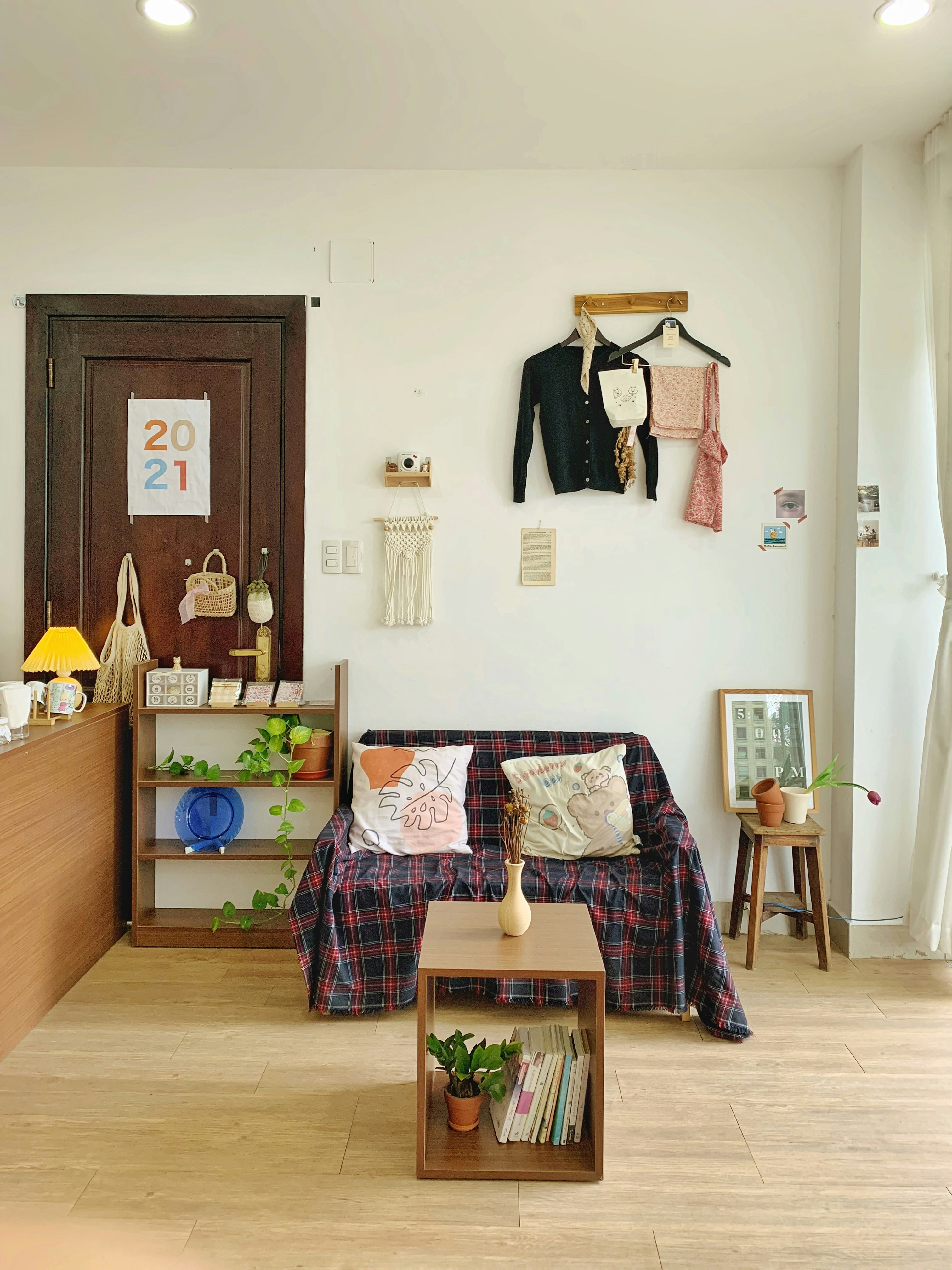
Soft living is an emerging lifestyle trend characterized by its focus on simplicity, minimalism, and an overarching sense of comfort. At its core, this way of living encourages individuals to prioritize mental well-being and personal fulfillment over traditional measures of productivity and success. The essence of soft living is found in its gentle approach to both physical spaces and daily routines, promoting an atmosphere that is serene and inviting.
Key principles of soft living include creating environments that foster relaxation and tranquility. This often means decluttering spaces, opting for natural materials, and choosing decorative elements that evoke a sense of calm. By embracing minimalism, advocates of soft living aim to reduce distractions and eliminate the stressors typically associated with consumerist culture. It is about making intentional choices that emphasize quality and comfort rather than quantity.
In addition to physical spaces, soft living extends to daily activities and lifestyle choices. Individuals are encouraged to adopt routines that prioritize self-care, mindfulness, and well-being. This might involve engaging in leisurely pursuits such as reading, practicing yoga, or simply enjoying nature. By focusing on what truly brings joy and fulfillment, soft living promotes a healthier work-life balance, allowing individuals to savor life rather than merely surviving it.
Ultimately, soft living is about redefining success in terms of personal satisfaction and internal happiness. By cultivating an environment and lifestyle that prioritizes these aspects, individuals can achieve a greater sense of peace and connection to themselves and their surroundings. This lifestyle trend, with its emphasis on comfort and simplicity, resonates deeply in today’s fast-paced world, offering a refuge for those seeking solace and fulfillment.
The Rise of Soft Living in Modern Times
The concept of soft living has gained significant traction in contemporary society, largely driven by cultural and societal changes that have reshaped how individuals perceive their lifestyles. One pivotal factor contributing to this trend is the “Great Resignation,” a phenomenon where many workers reevaluated their career priorities and made the conscious decision to leave their jobs in search of more meaningful work experiences. This movement has highlighted the importance of mental well-being and personal fulfillment, steering individuals towards lifestyles that prioritize happiness and emotional stability over conventional career achievements.
Additionally, the rise of remote work has transformed workplace dynamics, allowing employees to adopt more flexible work schedules. This shift has enabled individuals to create a harmonious balance between their professional obligations and personal interests, facilitating a lifestyle associated with soft living. With increased autonomy over their time, many are embracing the opportunity to cultivate personal interests, engage in leisurely activities, and develop a stronger sense of community.
Moreover, the pervasive influence of social media platforms has amplified the visibility of soft living, as users share curated glimpses into their tranquil lifestyles. This digital environment, where the aesthetics of calmness and simplicity are celebrated, encourages individuals to seek out their own versions of soft living. It promotes values of mindfulness, wellness, and self-care, further reinforcing the appeal of this lifestyle choice.
In conclusion, the rise of soft living is a multifaceted trend reflecting shifting attitudes towards work, well-being, and community. As modern life becomes increasingly complex, many individuals are embracing this softer approach to living, seeking fulfillment in their daily existence rather than merely in their careers.
Key Features of a Soft Living Lifestyle
Soft living is a lifestyle trend that prioritizes comfort, tranquility, and well-being. At its core, this approach is defined by several key features that aim to enhance individuals’ overall quality of life. One of the fundamental aspects of soft living is decluttering. This practice involves simplifying one’s living space by minimizing unnecessary possessions, which not only creates a more organized environment but also promotes mental clarity. By reducing distractions, individuals can focus on what truly matters, fostering a sense of peace and serenity.
Creating a serene living environment is another essential characteristic of soft living. This involves designing spaces that evoke calmness through the use of soothing colors, natural materials, and soft textures. Elements such as plants, natural light, and peaceful sounds can transform a living area into a sanctuary. Such an environment is essential for reducing stress and anxiety, allowing individuals to unwind and recharge. Soft living encourages the use of cozy furnishings that invite relaxation, further reinforcing a harmonious atmosphere.
Furthermore, prioritizing self-care is a cornerstone of the soft living lifestyle. This includes incorporating practices that nourish the body and mind, such as mindfulness, meditation, and adequate rest. Engaging in regular self-care routines enables individuals to cultivate self-awareness and emotional resilience, leading to improved overall well-being. Additionally, embracing slow living complements this approach by encouraging a more deliberate pace of life. Slow living emphasizes savoring life’s moments, whether that entails enjoying a leisurely meal, spending quality time with loved ones, or disconnecting from digital distractions.
In conclusion, the interconnected features of decluttering, serene environments, self-care, and slow living create a holistic framework for soft living. By integrating these principles into daily routines, individuals can enhance their quality of life and cultivate a more balanced existence.

Benefits of Adopting Soft Living
Embracing the soft living lifestyle brings about a multitude of benefits that can significantly enhance one’s quality of life. One of the primary advantages is the reduction of stress. Studies have shown that individuals who adopt a softer approach to living, characterized by nurturing environments and gentler practices, report lower levels of anxiety and stress. This is largely attributed to the calming effects of creating spaces and routines that prioritize comfort and tranquility.
In addition to alleviating stress, soft living fosters enhanced mental clarity. By simplifying one’s surroundings and lifestyles—leading to decluttered physical and mental spaces—individuals can experience improved focus and cognitive function. This clarity paves the way for better decision-making and creativity, contributing to a more fulfilled life.
Furthermore, adopting a soft living mindset can substantially improve interpersonal relationships. As individuals learn to prioritize kindness, empathy, and emotional support, they not only enhance their connections with others but also cultivate a supportive community. Research indicates that social interactions grounded in soft living principles promote deeper understanding and stronger bonds among individuals.
Soft living also encourages a deeper connection with oneself and those around us. By creating a nurturing environment and engaging in reflective practices, people can develop a greater sense of self-awareness and emotional resilience. This self-connection is crucial for personal growth and generally leads to a more positive outlook on life.
As evidenced by numerous studies and expert opinions, the benefits of embracing a soft living lifestyle extend beyond personal satisfaction; they contribute to a holistic improvement in mental, emotional, and relational well-being. To paint an even clearer picture, integrating the principles of soft living into everyday life can lead to lasting changes that enrich the human experience.
How to Start Your Soft Living Journey
Embracing the soft living lifestyle involves several practical steps aimed at creating a peaceful and nurturing environment both at home and within oneself. To begin your journey toward adopting this tranquil way of life, consider these actionable strategies.
First, start by decluttering your living space. This does not only apply to physical items but also to digital clutter and emotional baggage. A decluttered home allows for a more serene atmosphere and can promote clarity and relaxation. Take a systematic approach by focusing on one room at a time. Sort your belongings into categories: keep, donate, and discard. This process can be surprisingly liberating and is a crucial first step towards soft living.
Next, introduce calming elements into your environment. Soft living emphasizes comfort and coziness, so select soft textiles, such as plush throws and cushions, to enhance your living spaces. Choose colors that resonate with tranquility—pastels or muted earth tones can effectively contribute to a soothing ambiance. Natural elements, like plants or flowers, can also invigorate your home and create a sense of connection with nature.
Additionally, engage in mindfulness practices. This might include meditation, yoga, or simple breathing exercises. These practices can help ground your thoughts and encourage a more relaxed state of being, synergizing well with the soft living ethos. Allocate time each day to focus on your mental well-being, as this supports the lifestyle change you are embracing.
Finally, be patient with yourself throughout this transition. Soft living is not an overnight change but rather a gradual process. Celebrate small victories in your journey and allow yourself to grow into this new lifestyle with grace. By taking these steps, you will find that soft living can greatly enhance your overall quality of life.
Soft Living and Sustainability
Soft living encompasses a holistic approach that prioritizes well-being, comfort, and mindfulness in our daily lives. This lifestyle trend is increasingly aligned with environmental sustainability, as it encourages individuals to make conscious choices that positively impact the planet. By adopting a softer lifestyle, individuals can engage in practices that promote mindful consumption, embrace eco-friendly products, and support local economies.
One of the core principles of soft living is the concept of mindful consumption. This means being aware of the environmental implications of our choices and opting for products that contribute to a sustainable future. For instance, selecting items made from organic materials or those that have minimal impact on the environment is a fundamental aspect of this approach. By focusing on quality over quantity, individuals can reduce waste and minimize their carbon footprint.
Furthermore, soft living encourages the use of eco-friendly choices. The shift towards sustainable materials, such as bamboo, hemp, and recycled fibers, exemplifies how soft living intersects with sustainability. By incorporating these materials into everyday life, one not only enhances comfort but also supports environmentally responsible manufacturing practices. This dedication to sustainability extends to household items as well, with a growing preference for biodegradable or recyclable products that are gentle on our planet.
In addition to mindful consumer behavior, supporting local economies is integral to the soft living philosophy. Purchasing from local artisans and businesses fosters community resilience and reduces the ecological impact associated with long-distance transportation. This commitment to local sourcing not only strengthens economic ties within the community but also promotes sustainability by reducing the reliance on mass-produced goods.
Through these practices, soft living and sustainability create a harmonious relationship, allowing individuals to lead fulfilling lives while positively influencing their surroundings. Ultimately, this lifestyle urges a re-evaluation of consumer habits, encouraging a shift towards practices that ensure a healthier planet for future generations.
Transformative Impact of Soft Living
Many individuals have embraced the concept of soft living, and their stories exemplify the profound personal transformations that can result from adopting this lifestyle. By prioritizing comfort, relaxation, and well-being, they have fostered environments that promote a more balanced and fulfilling existence.
One inspiring tale comes from Sarah, a busy corporate professional who found herself overwhelmed by the demands of her job. After discovering the principles of soft living, she decided to reevaluate her work-life balance. By incorporating soft textures, calming colors, and minimalist design into her home, Sarah created a sanctuary that allowed her to unwind after long hours at the office. This lifestyle change not only reduced her stress levels but significantly improved her mental health, enabling her to approach her work with renewed vigor.
Another remarkable story is that of James, a father of two who felt his family life was suffering due to their hectic schedules. After attending a soft living workshop, he was inspired to implement simple changes, such as family gatherings centered around cozy meals and creating designated play and relaxation spaces at home. This shift not only strengthened family bonds but also fostered a sense of connection and joy among family members, as they learned to appreciate the value of slowing down and enjoying life’s little moments.
These real-life accounts illustrate that embracing soft living can lead to significant positive changes in various aspects of life, from individual well-being to improved family dynamics. The essence of this lifestyle resonates with many, as it encourages individuals to prioritize their emotional and physical health, cultivate mindfulness, and foster a deep sense of belonging within their spaces.
Challenges of Embracing Soft Living
Embracing the philosophy of soft living is not devoid of challenges that can test one’s resolve. One significant hurdle is societal pressure, which often promotes a fast-paced lifestyle that values productivity and material accumulation. Individuals may find it difficult to prioritize gentleness and simplicity when surrounded by messages that glorify constant busyness. To counter this, one can seek communities that align with soft living values, thereby reinforcing personal choices and creating a collective support system.
Another challenge is the struggle to maintain a balanced lifestyle. The transition to a softer way of living might initially evoke feelings of guilt, particularly for those accustomed to high levels of engagement and achievement. Adapting to a more relaxed pace requires a fundamental shift in mindset, as individuals learn to appreciate the beauty in stillness and the value of downtime. Setting realistic expectations regarding personal and professional obligations can facilitate this transition, allowing one to integrate soft living principles without significant stress.
Moreover, the process of letting go of material possessions can evoke considerable anxiety. The societal norm often equates success with accumulation, making it difficult for many to part with items, even when they no longer serve a functional purpose. A useful strategy is to implement a gradual decluttering process, focusing on items that no longer spark joy or serve a meaningful role in one’s life. Combining this with mindfulness practices can foster a sense of peace and help individuals reconnect with their desires, ultimately making the practice of soft living more accessible and enjoyable.
The Future of Soft Living
The concept of soft living has gained significant traction over the past few years, evolving into a prominent lifestyle trend that emphasizes comfort, tranquility, and well-being. As we look towards the future of soft living, it is essential to consider how this trend may further develop and influence various aspects of culture and society. One possibility is the integration of soft living principles into urban design. Cities are increasingly incorporating green spaces, communal areas, and wellness-focused amenities to promote a lifestyle that prioritizes mental and physical health.
Moreover, the rise of remote work has altered the dynamics of home environments, urging individuals to create soothing spaces that foster peace and productivity. The demand for minimalist and functional home decor will likely grow, encouraging the adoption of simple, yet aesthetically pleasing designs that reflect the soft living ethos. This trend may not only inspire personal spaces but also reshape retail and hospitality sectors, as consumers increasingly seek environments that provide a sense of comfort and sanctuary.
In addition, soft living’s emphasis on mindfulness and self-care could influence other cultural trends, such as fashion and wellness. There may be a shift towards sustainable and ethical clothing materials that prioritize comfort and versatility while promoting a mindful approach to consumption. In this context, brands may adopt practices that align with the soft living philosophy, leading to greater awareness and social responsibility.
Ultimately, as society continues to grapple with the challenges of an ever-accelerating world, the importance of prioritizing well-being through soft living principles will become increasingly relevant. This lifestyle trend encourages individuals to slow down, embrace simplicity, and cultivate a sense of community, providing a counterbalance to the fast-paced, technology-driven environment we live in. It is this aspiration for harmony in our lives that will likely secure the future of soft living as an essential aspect of modern culture.