
Table of Contents

Understanding the Concept of New Year Energy
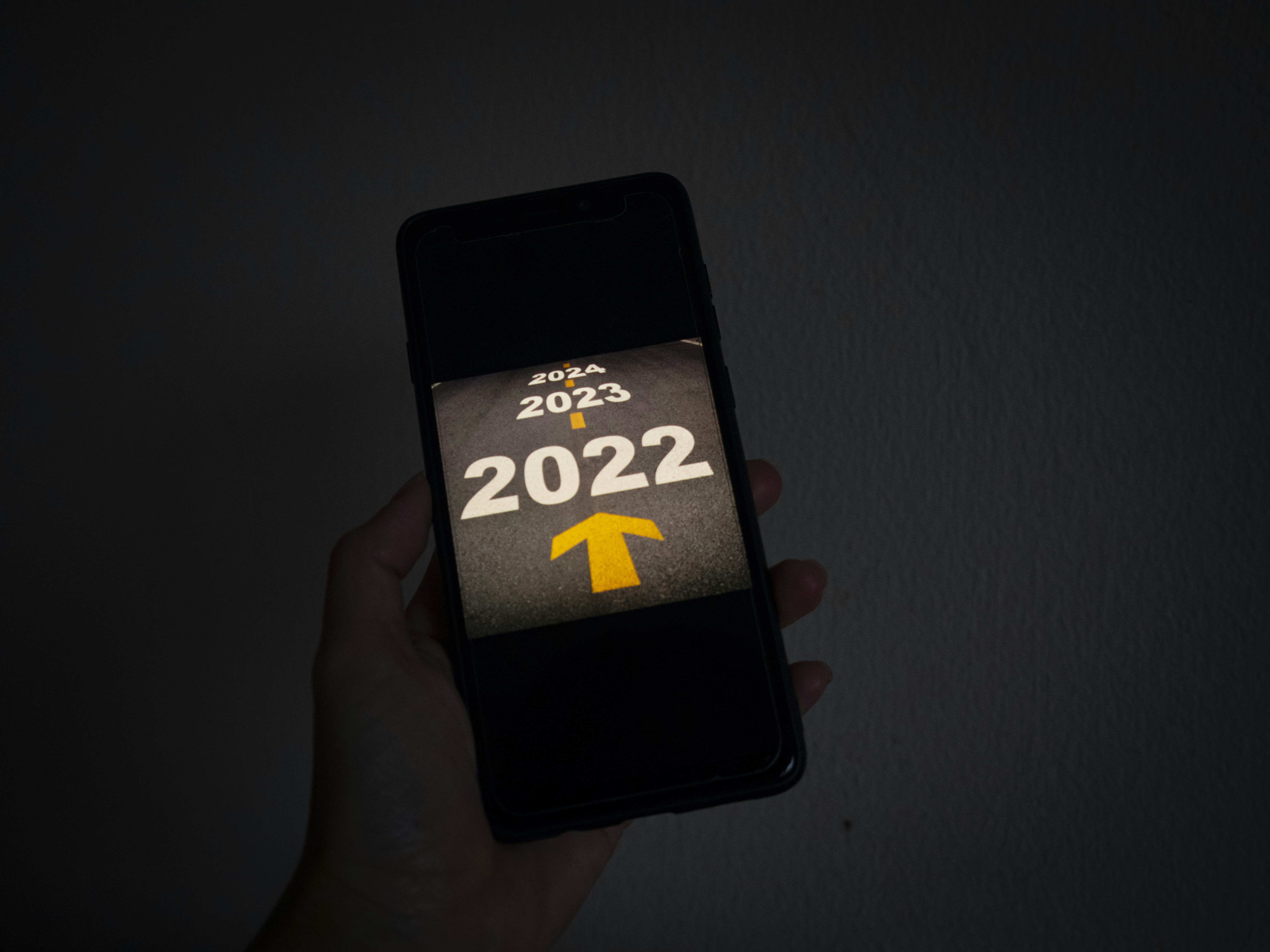
The concept of “New Year energy” is a multifaceted phenomenon that resonates across various cultures and traditions. It signifies the arrival of a new calendar year, which many perceive as an opportunity for renewal and growth. This notion of energy is deeply imbued with hope, anticipation, and the prospect of new beginnings. For many, the New Year symbolizes a clean slate, a chance to reset personal and professional goals, and an opportunity to embark on fresh paths.
Across different cultures, the celebration of the New Year often incorporates unique rituals and practices that embody this energetic transformation. For instance, in many Western societies, people engage in resolutions, setting intentions for self-improvement and lifestyle changes. It’s a time filled with the promise of renewal, where individuals reflect on the past year’s experiences while looking forward to future aspirations.
Similarly, in Eastern cultures, the New Year, such as the Chinese Lunar New Year, is celebrated with festivals that emphasize family reunions, feasting, and cleansing rituals. These traditional practices emphasize the importance of letting go of negativity from the previous year and welcoming positivity and prosperity. Such traditions reinforce the idea that New Year energy is not merely a temporal marker but a significant cultural force that drives individuals toward self-discovery and collective rejuvenation.
Moreover, the transition into a new year is typically accompanied by various astrological beliefs that further underscore its importance. Many people identify specific energies or themes associated with different years, believing that these cosmic influences can guide their intentions and aspirations. Thus, the concept of New Year energy weaves together cultural, spiritual, and personal dimensions, making it a profound aspect of human experience.
The Historical Context of New Year Celebrations
New Year celebrations have been observed for thousands of years across different cultures, each holding unique significance and traditions. The earliest recorded New Year celebration dates back to ancient Mesopotamia around 2000 BCE, where the arrival of the spring equinox was marked in March with festivities that included revelry, feasting, and rituals aimed at ensuring a prosperous year ahead.
Cultures worldwide have developed methodologies to commemorate the passage of time. For instance, the ancient Egyptians celebrated the New Year with the annual flooding of the Nile, which was crucial for their agriculture and survival; it marked a period of renewal and gave rise to their agricultural year. Similarly, the Roman calendar once celebrated New Year’s Day on March 1st until Julius Caesar established January 1st as the start of the year in 46 BCE to better align the calendar with the sun’s cycle.
In many East Asian cultures, the Lunar New Year, often referred to as the Spring Festival, heralds the arrival of spring and emphasizes family reunions, rituals, and the honoring of ancestors. Each lunar year is represented by one of twelve zodiac animals, bringing specific attributes believed to influence the year ahead. Traditional festivities include colorful decorations, fireworks, and a rich array of foods, symbolizing abundance and fortune.
In addition to these cultural perspectives, New Year customs often embody beliefs in renewal and transformation. For example, the custom of making resolutions is rooted in the idea of self-improvement and personal growth, reflecting an inherent human desire for betterment as the year progresses. Rituals, such as the ringing of bells or the lighting of fireworks, serve to ward off evil spirits and welcome in good fortune.
Overall, the historical context of New Year celebrations showcases a rich tapestry of cultural practices that signify not only the passage of time but also humanity’s collective yearning for new beginnings and positive change.
Astrological Influences on New Year Energy
The New Year, a time symbolizing renewal and fresh beginnings, is deeply interwoven with astrological influences that shape our understanding of its energy. Each year, celestial events, including planetary alignments and transitions, significantly contribute to the atmosphere that permeates this time. Astrologers highlight how these cosmic phenomena can steer individual behaviors, mindset shifts, and broader societal trends as we enter a new cycle.
One notable event is the transit of Saturn, which governs structures, discipline, and responsibility. Depending on its position, Saturn’s influence can manifest as a time for individuals to assess their boundaries and commitments. This year, as it aligns with the New Year, people may feel a greater urge to establish realistic resolutions rooted in personal integrity and accountability.
Additionally, the New Year often coincides with the phenomenon of Capricorn season, a period heralding ambition, diligence, and pragmatism. Under the Capricorn energy, individuals are encouraged to set long-term goals and create actionable strategies, providing a structural framework to manifest their intentions. The grounding nature of this zodiac sign buffers against impulsivity, promoting a disciplined start to new ventures.
Moreover, lunar phases occurring close to the New Year can further amplify its energy. For instance, a New Moon allows for intentions to be set and new projects to be launched. The timing of this lunar event can bring a surge of rejuvenation, offering a cosmic boost to those willing to embrace change. Similarly, the Full Moon can culminate energies reflecting completion and release, suggesting a time to let go of outdated habits and mindsets prior to the New Year.
In conclusion, the interplay between astrology and New Year energy provides invaluable insights into the collective consciousness and individual aspirations. By recognizing the astrological influences at play, one can harness this energy to foster growth and transformation as the new cycle begins.
The Psychological Impact of New Beginnings
The arrival of a new year often evokes a sense of anticipation and hope, serving as a potent psychological catalyst for change. This phenomenon is rooted in the concept of temporal landmarks, which suggest that certain moments in time can influence motivation and behavior. The beginning of a new year symbolizes a clean slate, inspiring individuals to reflect on their lives and set new goals.
During this period of self-reflection, people assess their achievements and shortcomings from the previous year. This introspection is vital, as it allows individuals to understand what worked for them and areas where improvements can be made. Such reflections often pave the way for new resolutions that align with personal aspirations, be it related to health, career, or relationships. This annual ritual of self-assessment plays a significant role in enhancing one’s desire for self-improvement and transformation.
The motivation that surges with the dawning of a new year can be attributed to a range of psychological factors. Firstly, the idea of starting fresh is often associated with the potential for success, fostering optimism and positivity. Furthermore, the social aspect of New Year resolutions, where friends and family exchange their goals, creates a supportive community that reinforces commitment and accountability.
Moreover, scientific studies indicate that the belief in new beginnings can trigger behavioral changes. When individuals view the New Year as an opportunity for a fresh start, they are more likely to embark on actions that lead to substantial life changes. Such psychological impacts highlight the importance of this period as a time not only for personal reflection but also for collective motivation and inspiration among communities, further nurturing a sense of belonging.
Setting Intentions vs. Resolutions
As the new year approaches, individuals often find themselves contemplating how to improve their lives. Traditionally, this has been marked by the making of resolutions—specific commitments to change behaviors or achieve certain objectives. However, there is an increasing shift towards setting intentions, a practice that emphasizes a broader mindset rather than specific goals. Understanding the distinction between intentions and resolutions can significantly enhance personal growth experiences in the coming year.
Resolutions tend to be rigid and outcome-focused, often resulting in pressure and disappointment if not accomplished within the set timeframe. For instance, someone might resolve to lose a specific number of pounds by a certain date. When the goal proves challenging, it can lead to frustration and even abandonment of the effort altogether. Intentions, on the other hand, are more fluid and adaptable. They encourage individuals to focus on their desired feelings and state of being. For example, rather than resolving to lose weight, one might set an intention to cultivate a healthier relationship with food and their body.
The act of setting intentions invites a sense of mindfulness, as it encourages individuals to reflect upon their values and aspirations. It promotes a thoughtful approach to change, allowing personal growth to evolve naturally over time. Research has shown that individuals who concentrate on intentions report higher levels of satisfaction and fulfillment. This shift provides space for self-exploration and enables people to connect with their motivations on a deeper level, fostering resilience in the face of challenges.
Ultimately, while resolutions can serve a purpose, intentions offer a more holistic and compassionate pathway to self-improvement. By prioritizing the process and embracing a mindset centered around intentions, individuals can navigate the new year with greater clarity and purpose, paving the way for meaningful personal development.
Harnessing New Year Energy for Personal Growth
The beginning of a new year offers a unique opportunity for individuals to reflect on their past experiences and set intentions for the future. This time can be harnessed effectively for personal growth by adopting various strategies that align with the energy of renewal and transformation.
One effective method to channel New Year energy is the creation of vision boards. A vision board serves as a visual representation of one’s goals and aspirations. By collecting images, quotes, and symbols that resonate with personal ambitions, individuals can create a tangible reminder of what they want to achieve. Displaying this board in a prominent place can continuously motivate and inspire individuals, helping them to stay focused on their path to personal development.
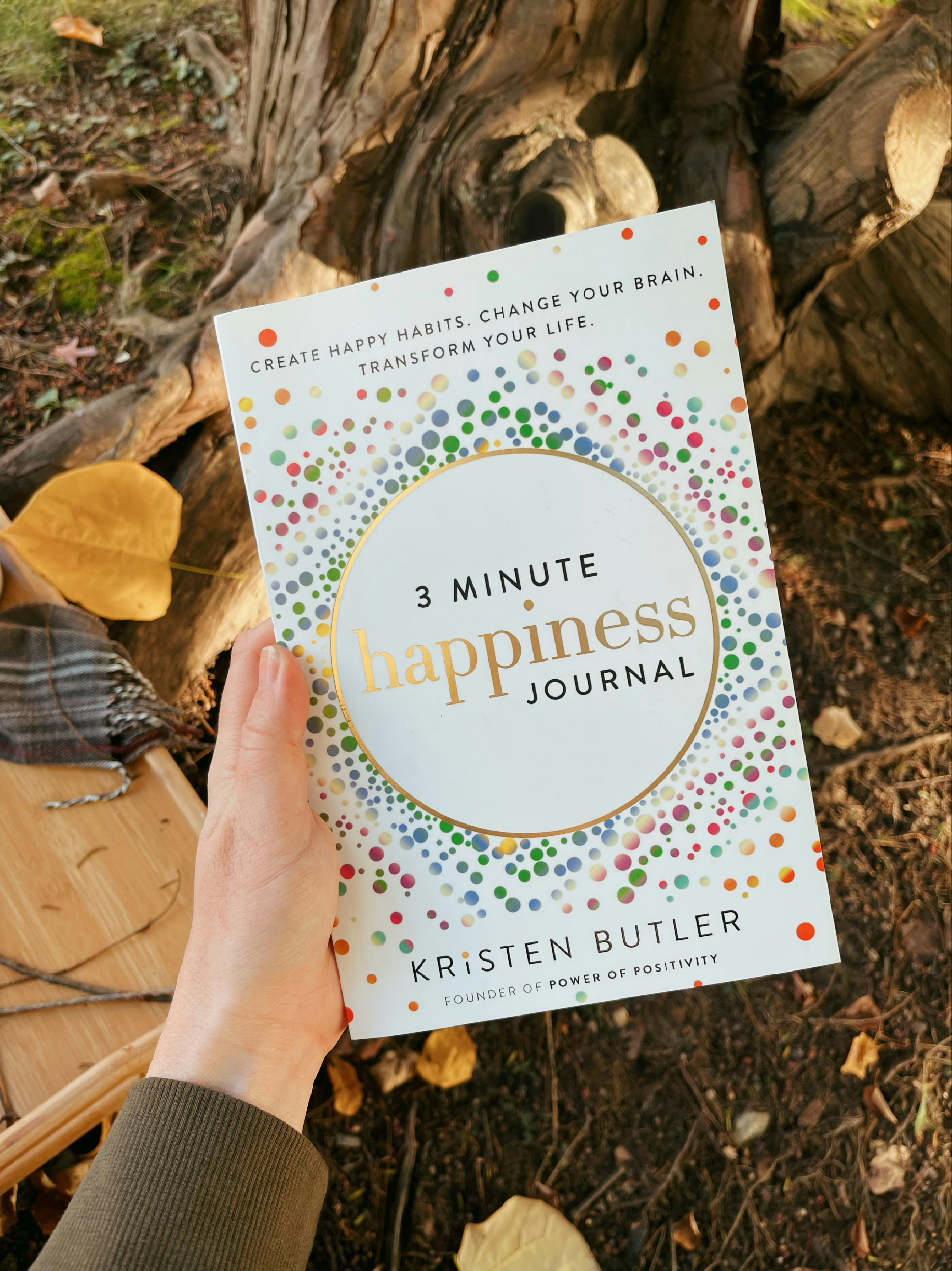
Journaling is another powerful tool that leverages the New Year’s energy. Setting aside dedicated time to write about one’s thoughts, feelings, and experiences can foster self-awareness. This practice encourages individuals to clarify their intentions for the year ahead, track their progress, and reflect on lessons learned along the way. By documenting personal growth journeys, individuals can gain insights that are crucial for continued development.
Incorporating mindfulness practices is equally vital when attempting to harness New Year energy. Techniques such as meditation, deep breathing exercises, or yoga can help in grounding oneself and maintaining focus on personal goals. By cultivating a mindful approach, one can better navigate the challenges that may arise during the pursuit of growth and transformation. Mindfulness enhances self-regulation, allowing individuals to respond to obstacles with resilience.
Overall, the key to effectively harnessing the New Year energy for personal growth lies in setting clear intentions, staying motivated through visual reminders, reflecting regularly, and practicing mindfulness to maintain focus and clarity throughout the year.
Community and Collective Energy in the New Year
The New Year represents a unique opportunity for individuals to reflect on the past and embrace new beginnings. A significant aspect of this transition involves the influence of community and collective energy. Celebrating the New Year within a community setting amplifies personal experiences, fostering a sense of belonging that enhances individual anticipation and motivation.
Collective celebrations, from large public events to intimate gatherings, encourage connections among people. These interactions create a shared experience that reinforces communal bonds, allowing individuals to feel part of something greater than themselves. When people come together to celebrate, they contribute to a shared narrative—a collective energy that invigorates each participant. This energy can manifest in various ways, such as excitement, hope, and encouragement, making the experience more meaningful.
Additionally, setting shared goals at the onset of a New Year can provide a framework within which individuals feel supported. Community-driven initiatives, such as collective resolutions or group challenges, can motivate participants to stay committed to their personal aspirations. The encouragement and accountability gained from a supportive network often lead to higher success rates in achieving those goals.
Furthermore, the rituals and traditions that various communities uphold during New Year celebrations serve as a reminder of cultural heritage and shared values. These practices, whether through food, music, or symbolic acts, provide a foundation for individuals to connect with their roots and with one another.
Ultimately, the collective energy present in community celebrations plays a vital role in shaping the overall New Year experience. As individuals engage with one another through shared festivities, they foster a deeper connection not only to themselves but also to the larger community, resulting in enriched personal journeys as the new year unfolds.
Challenges and Obstacles in Embracing New Year Energy
The commencement of a new year often symbolizes a fresh start, brimming with optimism and possibilities. However, embracing this New Year energy can come with a myriad of challenges that hinder individuals from fully realizing their aspirations. One significant obstacle is the immense external pressure that individuals often feel. Family, friends, and societal expectations can create an overwhelming sense of urgency to set lofty resolutions and achieve immediate success. This pressure can be discouraging, leading to anxiety and performance fatigue as individuals grapple with aligning their personal ambitions with the expectations placed upon them.
Additionally, self-doubt poses a formidable barrier in embracing the enthusiasm typically associated with the New Year. Many individuals struggle with insecurities about their capabilities or the feasibility of their goals. This internal dialogue can lead to procrastination or abandonment of plans altogether. It is crucial to acknowledge that these feelings are common, yet they can also be transformative learning moments that inspire personal growth.
To navigate these challenges effectively, individuals can adopt several strategies. Firstly, taking a moment to reflect on personal ambitions without external influences can create clarity. This self-reflection allows one to pursue goals that resonate with their interests and values, thus alleviating feelings of obligation. Another effective approach is to divide overarching objectives into smaller, manageable tasks. This tactic not only makes goals appear more attainable but also fosters a sense of accomplishment with each minor achievement.
Moreover, cultivating a supportive network can significantly enhance one’s ability to overcome obstacles. Engaging with others who share similar ambitions can build motivation and accountability. Sharing experiences and challenges fosters an environment that encourages perseverance, ultimately allowing individuals to fully embrace the New Year energy and transform their aspirations into reality.
Looking Ahead: Sustaining New Year Energy Beyond January
As the New Year dawns, individuals across the world engage in various resolutions and goals, propelled by the fresh energy that accompanies the start of a new calendar year. However, one of the significant challenges is maintaining this vibrant energy and motivation beyond January. In order to cultivate an environment conducive to lasting personal growth, it is essential to implement strategies that harness and extend this enthusiasm throughout the year.
First and foremost, setting specific, measurable, achievable, relevant, and time-bound (SMART) goals can provide clarity and direction. By transforming broad aspirations into tangible objectives, individuals can track their progress more effectively, which serves as an ongoing source of motivation. For example, if the goal is to improve physical health, setting specific targets such as attending a fitness class three times a week creates a structured plan to maintain commitment.
Another vital technique involves regularly revisiting and reflecting on these goals. Periodic assessments can help in gauge one’s progress while also allowing opportunities to recalibrate objectives as necessary. This continuous reflection acts not only as a reminder of initial intentions but also promotes an adaptive mindset when facing challenges or setbacks.
Additionally, surrounding oneself with a supportive community can significantly impact the sustenance of New Year energy. Engaging with others who share similar aspirations can foster encouragement and accountability. This network may comprise friends, family, or even online communities, all of which can provide essential motivation and guidance.
Furthermore, celebrating small victories along the journey fosters a positive reinforcement loop, reinforcing perseverance and dedication. Recognizing achievements, no matter how minor, nurtures a sense of fulfillment and can rekindle the enthusiasm that may flicker over time.
By integrating these strategies into one’s daily life, maintaining the New Year energy will transform from a fleeting moment into a sustained force that inspires continuous personal development throughout the entire year.