
Table of Contents

Understanding Holiday Stress
As the Christmas holiday season approaches, many individuals experience an increase in stress levels brought about by a combination of seasonal pressures and heightened expectations. The concept of holiday stress often revolves around several core factors, particularly family gatherings, gift-giving traditions, and the overwhelming atmosphere that tends to accompany this time of year.
Family gatherings can create significant pressure. The desire to maintain harmony and fulfill familial obligations often leads to anticipation of conflict or disappointment. Concerns about accommodating diverse family dynamics may add to feelings of trepidation, pushing individuals towards anxiety. For some, the pressure to present oneself in a certain manner during these events can amplify existing emotional burdens, creating a cycle of stress.
Gift-giving traditions further exacerbate stress levels, as individuals may feel compelled to find the perfect gift within a limited budget. The societal norm of thoughtful gifting can lead to unrealistic expectations, causing individuals to compare their efforts against those of others, often resulting in feelings of inadequacy. This pressure may drive individuals to overextend their finances, potentially leading to post-holiday regrets.
Moreover, seasonal pressures can manifest physically and emotionally. During the holidays, there is often an increase in social engagements, which can lead to fatigue and burnout. The burden of planning, cooking, and hosting can take a toll on mental health, with symptoms such as irritability, anxiety, and lethargy becoming more pronounced. Recognizing these signs is crucial for managing holiday stress effectively.
By understanding the roots of holiday stress, individuals can begin to navigate their feelings and develop strategies to cope with the pressures that accompany this season. Awareness is the first step towards managing stress and creating a more enjoyable holiday experience.
Identifying Your Triggers
The holiday season, often depicted as a joyous time filled with celebrations, can also become a significant source of stress for many individuals. To effectively manage holiday stress, it is important first to identify the triggers that contribute to overwhelming feelings and anxiety. These triggers may be unique to each person and can include a variety of situations, people, or tasks that provoke discomfort or tension.
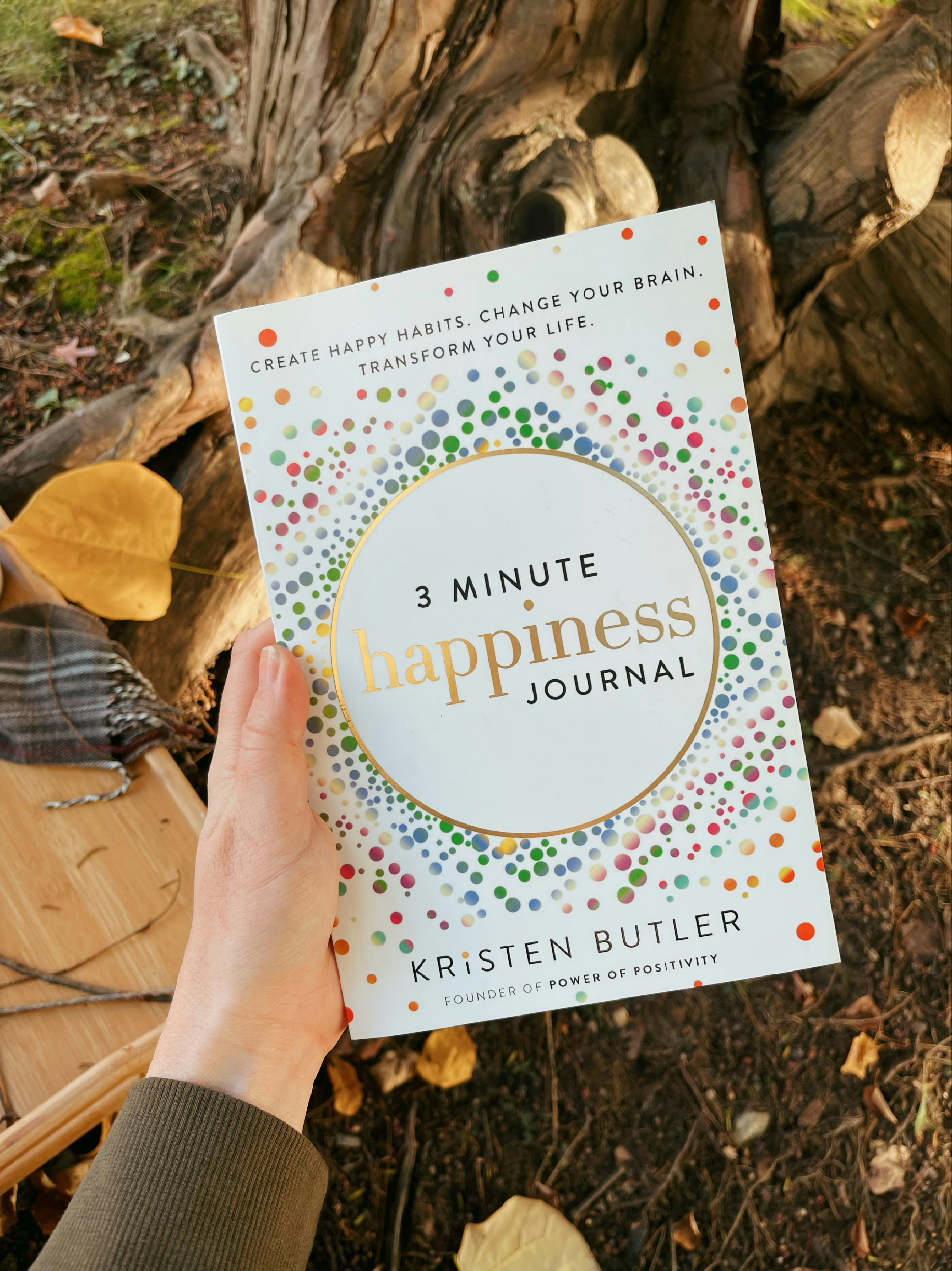
Self-reflection plays a vital role in pinpointing these stressors. Taking the time to examine one’s feelings and behaviors during the holiday season can yield valuable insights. Setting aside a few quiet moments each day to reflect on experiences can help individuals recognize patterns that lead to stress. Consider keeping a journal specifically during the holiday period, documenting instances that evoke anxiousness or frustration. This practice can illuminate specific scenarios that consistently lead to stress.
When journaling, it’s helpful to ask oneself targeted questions: What tasks feel the most overwhelming? Are there particular people whose presence tends to elevate stress levels? Do certain activities, such as holiday shopping or family gatherings, provoke anxiety? Answering these questions can assist in mapping out personal triggers. Additionally, note any physical responses to stress, such as increased heart rate or irritability, as they may provide further clues to underlying stress sources.
Recognizing these triggers is an essential step in devising a personalized strategy for managing stress during the holidays. As individuals gain clarity on their stressors, they can begin to implement proactive measures or communicate needs to family members and friends, thus fostering a more peaceful holiday experience.
Setting Realistic Expectations
During the Christmas holiday season, it is paramount to set realistic expectations. This period can often be filled with excitement, but it also brings its share of challenges that can lead to stress if not approached with a pragmatic mindset. Establishing what is actually achievable helps in fostering a more enjoyable experience rather than an overwhelming one. For instance, while many individuals may aim to host an impeccable family gathering, it is vital to recognize time and resource limitations. Instead of envisioning a perfectly executed holiday feast, consider focusing on creating a warm environment where connection is prioritized over perfection.
Communicating openly with family and friends about expectations can be beneficial. Engaging in candid conversations about what each person would like to contribute or experience allows for a more equitable division of responsibilities. This strategy not only aligns expectations but also cultivates a team spirit among loved ones, turning potential points of contention into collaborative efforts. It is equally important to recognize that everyone’s holiday wishlist might differ; thus, finding common ground is essential.
In advance of holiday gatherings, it may also be helpful to prioritize and, at times, limit the number of activities and commitments undertaken. A well-planned holiday calendar can alleviate the pressure of trying to fulfill numerous obligations. Embracing flexibility allows individuals to adjust their plans according to their emotional and physical well-being. This adaptability can transform overwhelming scenarios into manageable and pleasant experiences. Ultimately, by focusing on realistic expectations, individuals can navigate the holiday season with greater ease, leading to a more joyful and meaningful celebration.
Prioritizing Self-Care
During the Christmas holiday season, the emphasis on festivities and gatherings can often lead to increased stress and overwhelm. To navigate this busy period with ease, it is essential to prioritize self-care. Effectively managing your time can create space in your schedule for necessary personal downtime. Begin by determining your top responsibilities and commitments. Utilize calendars or planners to organize daily tasks, and set realistic expectations for what can be achieved. This not only helps in managing stress but also ensures that you allocate time for your own well-being.
Maintaining healthy routines throughout the holiday season is crucial to self-care. Strive to uphold regular sleeping patterns, meal times, and exercise routines, as these foundational elements greatly influence physical and mental health. Engage in physical activities that you enjoy, whether it be a brisk walk in the crisp winter air or yoga at home. Such activities can act as effective stress relievers, allowing you to reset and recharge amid the hustle and bustle.
Moreover, make it a priority to set aside time for leisure and relaxation. This could mean designating quiet hours for reading, meditating, or engaging in a hobby you love. These moments of respite can significantly enhance your well-being and counterbalance holiday stressors. Remember that taking time for yourself is not selfish; it is a necessary component of maintaining balance and happiness during what can be a hectic time of the year. By incorporating these practical self-care strategies into your holiday planning, you can enjoy the festive season with less stress and more joy.
Effective Planning and Organization
As the Christmas season approaches, effective planning and organization become crucial in managing the myriad of tasks that come with the holiday festivities. To avoid feeling overwhelmed, individuals can utilize various organizational techniques such as checklists, calendars, and goal-setting strategies that streamline these activities.
Creating a detailed checklist serves as a foundational tool for holiday organization. Begin by listing all tasks such as shopping for gifts, preparing meals, and sending out invitations. This checklist not only provides a clear outline of what needs to be accomplished but also allows individuals to prioritize tasks based on urgency and importance. Breaking larger tasks into smaller, manageable steps can significantly reduce the sense of overwhelm and help maintain focus.
In addition to checklists, maintaining a calendar dedicated to holiday activities can enhance one’s organizational efforts. By scheduling specific tasks on particular days, individuals can allocate their time more effectively, ensuring that essential chores are completed without unnecessary stress. Calendar reminders for deadlines, such as when to finalize gift lists or order groceries, can also provide timely prompts that keep tasks on track. Utilizing digital calendars with alert features can take this a step further, allowing for real-time adjustments as needed.
Goal-setting strategies can further aid in achieving a stress-free holiday experience. Establishing realistic goals related to holiday preparations can encourage motivation and provide a sense of accomplishment. For instance, setting a goal to finish shopping by a certain date allows ample time for wrapping and organizing gifts, reducing last-minute rushes that often contribute to holiday stress.
Overall, employing these effective planning and organization techniques not only helps in managing holiday tasks efficiently but also fosters a more enjoyable and less stressful festive season.
Learning to Say No
The holiday season often brings with it an overwhelming array of social obligations, from family gatherings to office parties. As enchanting as these festivities might be, they can also lead to heightened stress levels if individuals do not navigate their commitments effectively. One key strategy for managing holiday stress is learning to say no. By setting clear boundaries, it becomes possible to prioritize one’s well-being without compromising essential relationships.
Understanding the importance of saying no is essential. When faced with multiple invitations or requests, it is crucial to evaluate each one thoughtfully. Consider whether an obligation aligns with personal values or if it is merely an expectation set by others. Accepting every invitation can lead to overcommitment, which may result in burnout. Instead, selecting only those gatherings that bring genuine joy and connection is far more rewarding.
When declining an invitation, politeness is paramount. It is possible to express gratitude for the invite while still maintaining one’s boundaries. A simple, respectful response such as “Thank you for thinking of me, but I won’t be able to attend this time” can convey appreciation while not compromising personal time. Each declined invitation serves to reinforce personal limits, allowing individuals to manage their stress levels effectively.
Moreover, saying no encourages others to reassess their expectations and can foster mutual understanding within relationships. Open communication about personal limitations is vital in establishing a network of support and respect. Ultimately, the goal is not to isolate oneself but to cultivate a balanced relationship where each person appreciates the other’s boundaries.
Mindfulness and Stress Reduction Techniques
The holiday season can often bring about heightened levels of stress, making it essential to adopt mindfulness and stress reduction techniques. Mindfulness is the practice of being fully present and engaged in the moment, which can significantly lower anxiety levels. One effective way to cultivate mindfulness is through deep breathing exercises. This technique involves taking slow, deep breaths to help calm the mind and body. By focusing on your breath, you can create a sense of peace that allows you to manage stress effectively.
Meditation is another powerful mindfulness practice that has gained popularity for its stress-relieving benefits. Even just a few minutes of meditation each day can lead to substantial improvements in emotional well-being. To start, find a quiet space where you can sit comfortably, close your eyes, and concentrate on your breathing. If your mind begins to wander, gently redirect your attention back to your breath. This practice aids in fostering a sense of clarity and tranquility, making it easier to navigate the bustling holiday season.
Progressive muscle relaxation (PMR) is likewise an exceptional technique for stress management. This method involves tensing and then relaxing different muscle groups to alleviate tension and increase awareness of physical sensations. To practice PMR, you can begin at your feet, tensing the muscles for a few seconds before releasing. Gradually work upwards through your body, focusing on each muscle group. This process not only promotes relaxation but also encourages a deeper connection to your body during times of stress.
Incorporating these mindfulness and stress reduction techniques into your daily routine can lead to a more peaceful holiday experience. By developing a habit of mindfulness, you equip yourself with the tools necessary to remain calm and present during the often-overwhelming festive period.
Seeking Support from Friends and Family
The holiday season, while often filled with joy, can also present significant challenges that contribute to stress. One effective strategy to alleviate this stress is to seek support from friends and family. Forming a solid support system can create a sense of community and reassurance, making the demands of the season more manageable.
Firstly, it is important to communicate openly with your loved ones about your feelings and needs. Often, simply expressing your concerns can foster understanding and encourage others to offer assistance. Whether it is sharing the burden of holiday preparations, such as shopping or cooking, or just needing someone to talk to, reaching out can cultivate a supportive environment.
Secondly, consider organizing time with friends and family to bring a sense of togetherness during this busy period. Establishing traditions or participating in group activities can enhance your mood and foster connections. Engaging in a shared holiday event not only distributes tasks but also creates precious memories that can be cherished long after the season concludes.
Moreover, do not underestimate the value of informal check-ins. Simple gestures like a phone call or a text message can provide emotional support during challenging moments. Encouraging friends and family members to share their experiences, and listening to their stories, can also offer valuable perspectives on handling holiday stress.
Additionally, if you find that traditional support avenues are insufficient, there are community resources available that can provide assistance. Many organizations offer programs tailored to assisting individuals during the holiday season, whether through events, food drives, or counseling services. Utilizing such resources demonstrates proactive engagement in managing your stress.
In conclusion, reaching out to friends and family can significantly mitigate the stress associated with the Christmas holiday. Through open communication, collaboration in holiday activities, and leveraging community resources, individuals can navigate this festive period more successfully, fostering resilience and togetherness.
Creating New Traditions that Reduce Stress
As the holiday season approaches, many individuals find themselves overwhelmed by the demands of traditional celebrations. To counteract this holiday stress, consider the power of creating new traditions that prioritize joy, connection, and authenticity. By shifting the focus from obligation to enjoyment, families can cultivate a more relaxed atmosphere during this festive time.
One effective way to initiate new traditions is to establish low-key gatherings. Instead of grandiose events, opt for cozy get-togethers, such as potluck dinners or game nights with friends and family. These gatherings can foster a sense of community while reducing the pressure associated with planning an elaborate celebration. Invite loved ones to bring a dish, ensuring a shared experience that allows everyone to contribute without the burden of preparation falling on a single person.
Another avenue to explore is the introduction of meaningful activities. For instance, families can embark on fun outings such as ice skating, visiting local Christmas markets, or volunteering at nearby shelters. These shared experiences can create lasting memories without the stresses typically tied to more traditional holiday festivities. Additionally, consider incorporating activities that emphasize reflection and gratitude, such as a gratitude jar where family members can add notes of thankfulness throughout the season.
Lastly, traditions centered on togetherness can significantly reduce stress. Create a designated day each week in December for family time, such as a movie night with holiday classics or baking sessions where everyone can participate. The key is to engage in activities that nurture relationships and enjoy each other’s company while building new customs that replace stress with joy.
By embracing these new approaches to holiday traditions, families can transform their celebration into a more meaningful, enjoyable experience, ultimately leading to a more peaceful holiday season.