
Table of Contents

Introduction to Healthy Routine Building
Establishing a healthy routine is a pivotal part of enhancing one’s overall well-being. In today’s fast-paced world, individuals often neglect the crucial role that structured habits play in their daily lives. A well-designed routine encompasses various elements such as nutrition, physical activity, sleep, and mental health practices. These components are interlinked and contribute significantly to maintaining a balanced lifestyle.
Good habits act as the foundation of a healthy routine. They help individuals cultivate discipline and foster an environment where personal growth can flourish. For instance, regular physical activity not only boosts physical health but also enhances mental clarity and emotional stability. Similarly, adhering to a nutritious diet can improve energy levels, focusing abilities, and resilience against stress. Therefore, establishing healthy habits should be viewed as an investment in one’s future well-being.
Moreover, the process of building a healthy routine is not merely about restriction or obligation. Rather, it involves creating a sustainable lifestyle that integrates enjoyable activities, enhancing motivation and engagement. When individuals make conscious choices and commit to positive changes, they facilitate a supportive environment that resonates with their personal goals. This alignment is central to encouraging consistency and long-term adherence to healthier practices.
Ultimately, cultivating a healthy routine serves as a catalyst for improved health outcomes and a better quality of life. As readers embark on this journey, understanding the importance of habits and the interplay between various aspects of health will provide the necessary groundwork for implementing effective changes. Embracing a structured, holistic approach to daily life can set the stage for a healthier, more fulfilling year ahead.
Assessing Your Current Routine
To embark on the journey towards a healthier routine, it is necessary to start with a thorough assessment of your current habits. This critical evaluation enables you to identify areas that may be improved or adjusted to enhance your overall well-being. Begin by documenting your daily activities for a week; this will provide a clear picture of your routine and highlight recurring patterns. Pay special attention to how you allocate your time to essential tasks such as work, exercise, meal preparation, and leisure activities.
Next, look for habits that may not serve your health goals. It is often easy to overlook unhealthy practices such as excessive screen time, poor eating behaviors, or inadequate sleep. Try to view these habits objectively. Ask yourself whether these behaviors positively contribute to your health or detract from it. Additionally, consider the role of stress in your routine. Are you incorporating stress management techniques, or do you find that stress manifests in unproductive habits?
Self-reflection is a powerful tool in this process. Engage in honest and constructive dialogue with yourself about your motivations and priorities. Understanding what drives your behavior can shed light on why certain patterns may exist. You might find that some aspects of your routine are rooted in comfort, familiarity, or even emotional responses. Recognizing these factors can be pivotal in making effective changes.
As you compile your findings, you may begin to visualize a healthier routine built upon more positive habits. This evaluation phase is not merely about pinpointing flaws but also about acknowledging the strengths in your routine. Celebrate the positive aspects as you prepare to reshape the less effective elements of your daily life into a healthier framework.
Setting Clear and Achievable Goals
Establishing a healthier routine requires a solid foundation of clear and achievable goals. The importance of effective goal setting cannot be overstated, as it acts as a roadmap guiding individuals toward their desired outcomes. Utilizing the SMART framework can significantly enhance the process of setting meaningful goals. This acronym stands for Specific, Measurable, Achievable, Relevant, and Time-bound.
When formulating specific goals, individuals should pinpoint exactly what they aim to achieve. For instance, instead of setting a vague goal like “I want to exercise more,” one could specify, “I will jog for 30 minutes three times a week.” Ensuring the goal is measurable enables individuals to track their progress effectively. In this example, tracking the number of jogging sessions each week serves as a useful benchmark.
It is equally crucial to set achievable goals. Aiming for an overly ambitious target can lead to feelings of frustration and disappointment. Therefore, individuals should assess their current abilities and commitments to establish realistic goals. For example, if someone is new to exercising, starting with two short sessions a week may be more feasible than jumping straight into a rigorous six-day regimen.
Goals should also be relevant, meaning they align with the individual’s overall health objectives and lifestyle. This alignment ensures that the goals are meaningful and promote motivation. Lastly, time-bound goals instill a sense of urgency, encouraging individuals to set deadlines for their objectives. For instance, setting a goal to run a 5K in three months provides a clear timeline for improvement.
Incorporating both short-term and long-term goals into one’s routine is vital for sustained progress. Short-term objectives serve as immediate motivators, while long-term goals provide a bigger picture and direction for the future. Balancing these goals ensures that individuals remain engaged and committed to their health journeys. Overall, setting clear and achievable goals is an essential step toward cultivating a healthier routine.
Incorporating Healthy Eating Habits
Nutrition plays a pivotal role in establishing and maintaining a healthier routine. Individuals aiming for better health must focus on not only what they eat but also how they can implement effective meal planning strategies. One of the essential steps in this process is understanding various food groups and their benefits. A balanced diet should ideally comprise vegetables, fruits, whole grains, lean proteins, and healthy fats. Each of these food groups contributes specific nutrients necessary for bodily functions, and incorporating a variety of them can prevent dietary deficiencies.
Meal planning is an effective approach to foster healthy eating habits. By dedicating time each week to plan meals, individuals can avoid impulsive food choices that often lead to unhealthy eating. Start by setting aside a day to organize meals for the week ahead. Consider preparing a grocery list based on nutritious recipes that include all key food groups. Additionally, batch cooking can save time and ensure that healthy meals are readily available, reducing the temptation to opt for quick, less nutritious options.
Hydration is another critical aspect of healthy eating and should never be overlooked. Maintaining adequate fluid intake supports various bodily functions, including digestion and nutrient absorption. Aim to drink at least eight glasses of water daily, adjusting according to activity levels and environmental conditions. Herbal teas and infused water can also serve as enjoyable alternatives while still contributing to overall hydration.
Ultimately, making better food choices involves continuous learning and adaptation. Implementing small changes gradually will lead to sustainable habits. Over time, these practices can foster a more robust connection between nutrition and well-being, solidifying the foundation for a healthier routine.
Establishing a Consistent Exercise Regimen
Incorporating regular exercise into your daily routine plays a pivotal role in fostering a healthier lifestyle. Physical activity not only enhances physical health but also contributes significantly to mental well-being. Establishing a consistent exercise regimen can provide numerous benefits, including improved cardiovascular health, weight management, and enhanced mood.
When looking to integrate fitness into your routine, it is essential to find activities that you genuinely enjoy. This might include walking, cycling, swimming, or engaging in group classes such as yoga or Zumba. Identifying a form of exercise that resonates with you increases adherence and makes it easier to sustain in the long term. Additionally, consider mixing various activities to diversify your regimen and maintain engagement.
One common barrier to regular exercise is time constraints. To overcome this, consider scheduling workouts just as you would for important meetings or events. Even short bouts of physical activity, such as a brisk 20-minute walk, can be beneficial. This approach allows busy individuals to fit in exercise without feeling overwhelmed. Another obstacle could be access to facilities or equipment; however, numerous effective workouts can be done at home with little to no equipment, such as bodyweight exercises and online fitness classes.
Staying motivated is crucial when establishing an exercise routine. Setting achievable goals can help maintain focus; for instance, aiming to complete a certain number of workouts each week or gradually increasing the duration or intensity of your sessions. Moreover, seeking social support by working out with friends or joining community fitness groups can enhance accountability and encourage consistency. In addition, tracking progress through journals or fitness apps can provide visual reminders of how far you’ve come, serving as a powerful motivator.
In conclusion, developing a consistent exercise regimen is an achievable goal that requires thoughtful planning and commitment. By identifying enjoyable activities, overcoming barriers, and employing strategies to stay motivated, you can successfully incorporate physical fitness into your routine, ultimately leading to a healthier lifestyle.
Prioritizing Mental Health and Self-Care
In today’s fast-paced world, prioritizing mental health is crucial to building a healthier routine. Mental health encompasses emotional, psychological, and social well-being, affecting how we think, feel, and act. A wholesome routine should incorporate mental health practices that foster resilience, relaxation, and balance, enabling individuals to navigate stressors effectively.
Self-care refers to the intentional activities and practices that individuals engage in to maintain or improve their well-being. It includes various activities that are vital for physical and mental rejuvenation. Examples of self-care practices include maintaining a balanced diet, exercising regularly, engaging in hobbies, and fostering connections with loved ones. These activities can serve as effective stress management techniques, helping to alleviate the pressures of daily life.
Moreover, incorporating mindfulness and relaxation exercises into your routine can significantly enhance mental well-being. Mindfulness involves being present in the moment and is achieved through practices such as meditation, deep breathing exercises, or yoga. These activities can help in calming the mind and reducing anxiety levels. By embracing relaxation techniques, individuals can cultivate a state of calmness that supports improved focus and emotional stability.
In conclusion, prioritizing mental health and self-care is essential for achieving a balanced lifestyle. By integrating activities that promote mental wellness into daily routines, individuals can enhance their quality of life. Establishing a solid foundation through self-care not only benefits personal health but also strengthens resiliency against life’s challenges.
Creating a Balanced Daily Schedule
Establishing a well-structured daily schedule plays a critical role in fostering both productivity and well-being. To begin with, one of the most effective time management techniques is prioritization. Identify your most important tasks, categorized by urgency and significance, and allocate your time accordingly. The Eisenhower Box, a decision-making tool that distinguishes between what is urgent and what is important, can be particularly useful in this context.
Furthermore, achieving a balance between work and leisure is essential in maintaining overall health. It is recommended to set aside specific time blocks for work, while also integrating breaks that allow your mind and body to rest. The Pomodoro Technique, which involves working for 25 minutes followed by a 5-minute break, has been shown to enhance focus and productivity. During these short breaks, engage in an activity that promotes relaxation, such as stretching or taking a brief walk.
Equally important is the incorporation of leisure activities into your daily routine. Engaging in hobbies not only provides a necessary escape from work stresses but also improves creativity and problem-solving skills. Allocate time for family, exercise, or personal interests that inspire you. Whether it is reading a book, practicing yoga, or cooking, these activities contribute positively to your mental health.
Another essential aspect is flexibility. Adapt your schedule as necessary, allowing for unexpected events or changes in workload. Rigid schedules can lead to stress and burnout, so it is crucial to remain open to adjustments while keeping a primary focus on your health and productivity. By following these guidelines, you can create a balanced daily schedule that promotes not just productivity, but also holistic well-being.
Tracking Progress and Adjusting Your Routine
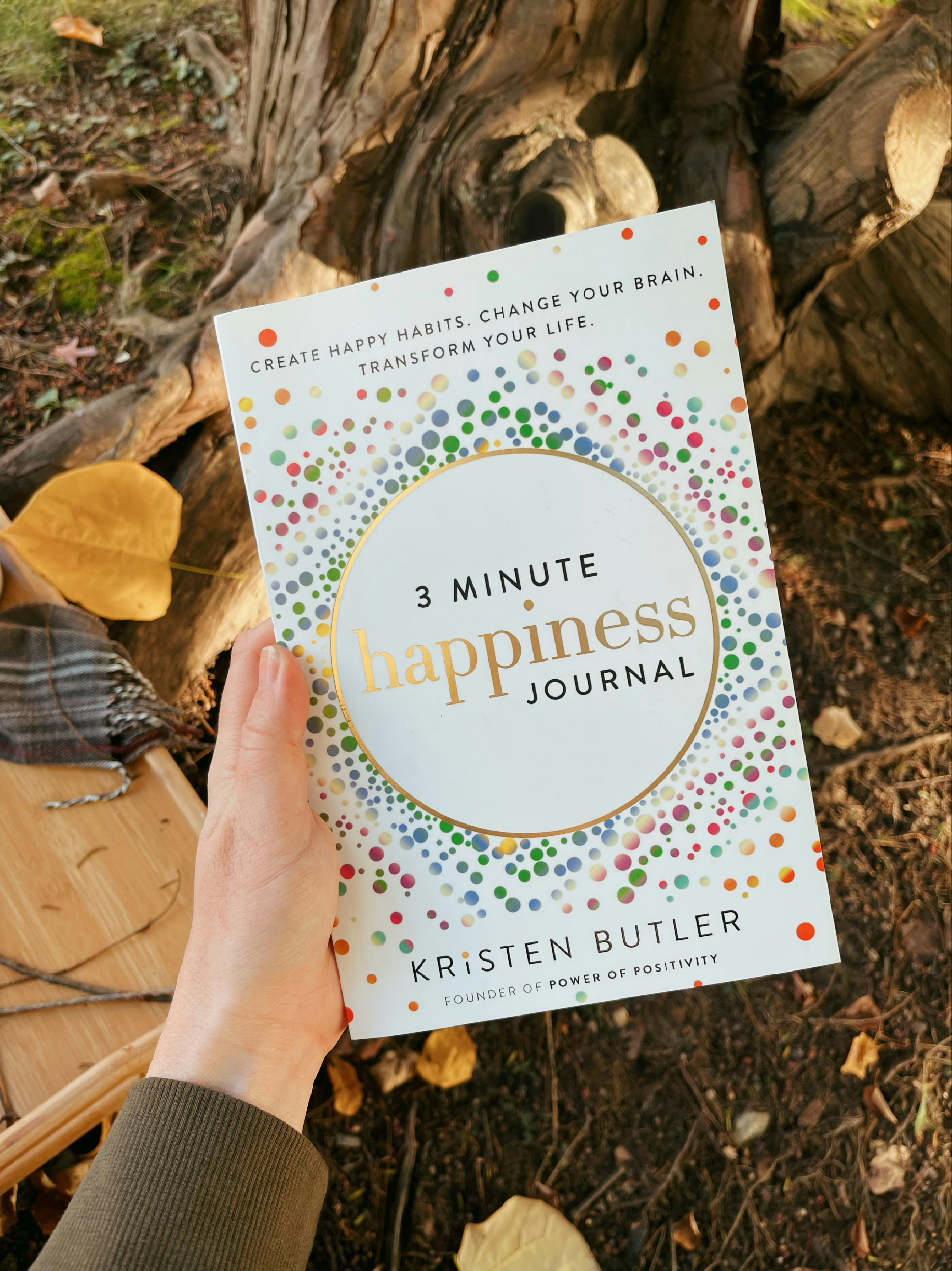
One of the cornerstones of developing a healthier routine is the consistent tracking of your progress. This method not only keeps you accountable, but it also provides valuable insights into your habits and behaviors. The first step in this process is to maintain a health journal that records your daily activities, dietary choices, and exercise patterns. This journal acts as a mirror, reflecting your efforts toward achieving health-related goals.
When documenting your journey, it is essential to include specific details, such as the duration and intensity of workouts, along with your emotional and mental state. Such records will help you assess what works best for you and where adjustments might be necessary. Furthermore, reviewing your entries regularly allows you the opportunity to reflect on your goals and measure your achievements, no matter how small they might seem.
Regularly revisiting your health journal encourages proactive change. Perhaps you will notice that certain meals energize you more than others or that your body responds better to different types of exercise. This insight is invaluable, as it highlights the need to remain flexible in your routine. Adjustments based on personal feedback are crucial; they may mean altering your exercise regimen, meal planning, or even your sleep patterns to optimize health outcomes.
The adaptability of your routine is essential in facing challenges or lifestyle changes. Life circumstances can vary greatly, and sticking rigidly to a predetermined routine can lead to frustration. Hence, the ability to adjust is fundamental. Embracing this flexibility fosters resilience and ensures that you continue to advance toward your health goals effectively.
Maintaining Motivation and Overcoming Challenges
Building a healthier routine is a commendable endeavor; however, sustaining motivation can often prove to be an uphill battle. One effective strategy for maintaining motivation is setting realistic and achievable goals. Rather than aiming for drastic changes, focusing on small, measurable adjustments can foster a sense of accomplishment. For example, instead of committing to a strenuous workout regimen, incorporating short daily walks can serve as a more manageable starting point.
Another vital aspect of sustaining motivation involves tracking progress. Keeping a journal or using apps designed for health tracking can provide insightful feedback and visual evidence of achievements, reinforcing the positive behaviors associated with a healthier lifestyle. By regularly noting successes, no matter how small, individuals are likely to remain encouraged and focused on their objectives.
Individuals often encounter various challenges when implementing a healthier routine. Common obstacles include time constraints, lack of support, and emerging temptations. Recognizing these challenges is the first step towards addressing them effectively. It can be beneficial to identify time slots within one’s daily schedule specifically allocated for health-related activities, ensuring that routines are not compromised by other commitments. Furthermore, building a support network comprised of friends, family, and like-minded individuals can enhance accountability and provide encouragement.
Setbacks can occur, and it is crucial to approach them with a constructive mindset. Rather than viewing setbacks as failures, individuals should see them as learning opportunities. Should a week spent indulging in unhealthy habits arise, it is essential to reflect on the reasons for these choices and develop strategies to avoid similar situations in the future. Ultimately, maintaining a healthier routine is a journey that requires persistence and adaptability, significantly bolstered by a positive outlook and a supportive environment.