
Table of Contents
Introduction: The Weight of New Beginnings
As the calendar heralds a new year, many individuals encounter a phenomenon often referred to as “quiet pressure.” This subtle yet omnipresent force is shaped by a confluence of societal expectations and personal ambitions that emerge around this time. It is a period characterized by a collective introspection that compels many to reassess their previous year and establish resolutions aimed at improving future circumstances.
The concept of quiet pressure revolves around the unspoken yet palpable urgency that envelops many during the initial days of January. The pervasive influence of social media and communal events often exacerbates this situation, prompting individuals to compare their lives with others. While some may approach the new year with excitement and motivation, others may experience a sense of anxiety, as the weight of unfulfilled aspirations becomes evident. This juxtaposition underscores the complexity of the human experience as we transition into a new chapter.
Moreover, the pressure to meet self-imposed goals can feel overwhelming. For many, the determination to enact change often leads to lofty expectations that may not align with realistic capabilities. The drive to succeed can create a paradoxical sense of urgency, where the fear of stagnation looms larger than the potential for growth. This internal struggle can undermine confidence and lead to feelings of disappointment if goals are not promptly met.
The journey into a new year is, therefore, dual-faceted: it is a time of renewal filled with possibilities, yet also a period fraught with expectations that can dampen the spirit. Understanding the nuances of this quiet pressure may ultimately empower individuals to navigate their paths with more intention and grace. By recognizing these dynamics, one can approach their goals with a balanced mindset, fostering a more sustainable pursuit of personal growth and fulfillment throughout the year.
Understanding Quiet Pressure
Quiet pressure is a subtle but pervasive force that influences individuals as they transition into a new year. Unlike overt pressure, which is characterized by direct demands and expectations from external sources, quiet pressure emerges internally and can often stem from societal norms, personal aspirations, and interpersonal comparisons. It is the unsaid expectation—the invisible push to not only embrace the new year but also to excel within it.
This internalized form of pressure can manifest in various ways, particularly around the time when individuals contemplate their resolutions or benchmarks for personal success. For many, the arrival of a new year triggers an innate desire to reflect on past achievements and to set ambitious goals for the future. This drive can be fueled by both cultural cues and social media influences, creating the impression that one must continuously strive for improvement. Herein lies the essence of quiet pressure: a compulsion to achieve with little outside prompting.
One common example includes the well-intentioned New Year’s resolutions that tend to dominate conversations and social media feeds. While many set resolutions with enthusiasm, they may feel an underlying obligation to meet them, leading to a compounded sense of quiet pressure. The pressure may also extend to areas such as career advancements, fitness goals, or even personal milestones, creating a silent comparison of success and worth among peers.
In understanding quiet pressure, it becomes apparent that while it is a natural aspect of human motivation, it can also lead to stress and anxiety when not managed effectively. Recognizing the dynamics of quiet pressure is crucial, as it serves as a precursor to exploring how it impacts daily life and decision-making as individuals embark on the new year.
Common Sources of Pressure
The transition to a new year often brings with it a myriad of unspoken pressures. One predominant source of these pressures stems from internal expectations. Individuals frequently set ambitious resolutions, believing that the onset of a new year is synonymous with a fresh start. These goals can range from personal development to professional achievements, but when expectations are unrealistic, they lead to feelings of inadequacy when progress is not achieved at the anticipated pace.
In addition to internal factors, societal standards play a critical role in shaping one’s perceptions of success and fulfillment. During the new year, media outlets and advertisements often amplify ideals of perfection—showcasing individuals who seem to embody the ideals of health, wealth, and happiness. This continuous bombardment creates an environment where individuals feel compelled to measure their worth against these often unattainable benchmarks, further intensifying their sense of pressure.
Another significant contributing factor to quiet pressure is the influence of social media. Platforms such as Instagram and Facebook are rife with curated content, showcasing polished images of friends and acquaintances embarking on their new year journeys. This portrayal of success can skew an individual’s perception of their own reality, leading to the impression that others are achieving their goals effortlessly while they struggle. The tendency to scroll through such idealized content can exacerbate feelings of exclusion and undermines one’s self-esteem.
Furthermore, cultural norms associated with the new year can intensify these sentiments. Various cultures celebrate the new year with specific expectations regarding personal and familial accomplishments. Whether it is achieving success in one’s career, starting a new family tradition, or participating in nationwide activities, these traditions can impose a collective pressure, further enhancing the struggle to meet both personal and societal expectations.
The Impact on Mental Health
The onset of a new year often brings with it a quiet pressure that can significantly affect individuals’ mental health. This unspoken expectation can lead to feelings of stress and anxiety, as people grapple with the myriad of resolutions they might feel compelled to set. The pressure to improve oneself or to achieve specific goals can create an overwhelming burden, leading to chronic worry or even depression for some.
Various studies have highlighted how these feelings manifest during this time, which tends to amplify existing mental health issues or introduce new ones. For many individuals, the juxtaposition of potential and the realities of personal lives can cause distress, as they may feel inadequate when comparing themselves to others or to societal standards. This is particularly true in a culture where self-improvement is heavily publicized and celebrated, often making failure to meet these expectations feel more pronounced.
To counteract these negative impacts, it is crucial for individuals to embrace self-compassion. Recognizing that the pressure to set and achieve lofty goals in a short period can be counterproductive is essential. One effective strategy is to set realistic, manageable goals that account for personal circumstances. Practicing mindfulness can also enhance one’s awareness of their mental state. This means taking the time to acknowledge feelings without judgment, creating space to understand internal emotional landscapes. Additionally, developing a support system can provide a buffer against the pressures individuals may face. Connecting with others who experience similar feelings can reduce isolation and promote healing.
Ultimately, understanding and addressing the mental health implications of quiet pressure during the new year invites a more compassionate and balanced approach to personal growth. By fostering self-awareness and personal acceptance, individuals can navigate this time with greater ease and resilience.
Finding Balance: Setting Realistic Goals
As we transition into a new year, many individuals experience an unspoken pressure to set lofty goals that may not be realistically attainable. This pressure can stem from societal expectations, social media influences, or personal aspirations. Therefore, it is crucial to approach goal-setting with a strategy that emphasizes feasibility and personal relevance.
One effective methodology for establishing realistic goals is the SMART criteria, which stand for Specific, Measurable, Achievable, Relevant, and Time-bound. When using this framework, it is important to define what exactly you wish to accomplish. Instead of vague aspirations such as “I want to be healthier,” a SMART goal would distill this into actionable steps, such as “I will exercise for 30 minutes, three times a week, for the next three months.” This clarity not only assists in tracking progress but also fosters motivation.
Moreover, aligning goals with personal values is essential in mitigating the impact of external pressures. When individuals set goals that resonate with their values, they are more likely to remain committed and find fulfillment in the process. For instance, if someone values family time, setting a goal to have weekly family dinners or game nights would be a more meaningful pursuit than aiming for a superficial lifestyle change driven by social media trends.
It is vital to stay flexible and adjust goals as needed. Life circumstances can change, and the ability to adapt will ensure that goals remain realistic and achievable. Taking the time to reflect on one’s priorities will ultimately lead to a more balanced approach to goal-setting, allowing for personal growth without succumbing to the stress of external expectations.
Mindfulness Practices to Combat Pressure
As the new year begins, the pressure to meet personal and professional expectations can become overwhelming. One effective approach to navigate this pressure is through the implementation of mindfulness practices. These techniques aim to foster a peaceful mindset, enabling individuals to alleviate stress and cultivate a more balanced perspective on their goals.
Meditation serves as a cornerstone of mindfulness. Allocating just a few minutes each day to sit in silence, focusing on the breath, can significantly reduce anxiety levels. Mindfulness meditation encourages individuals to remain present, acknowledging their thoughts without judgment. This practice fosters a deeper awareness of emotions and promotes a sense of calm amidst external pressures.
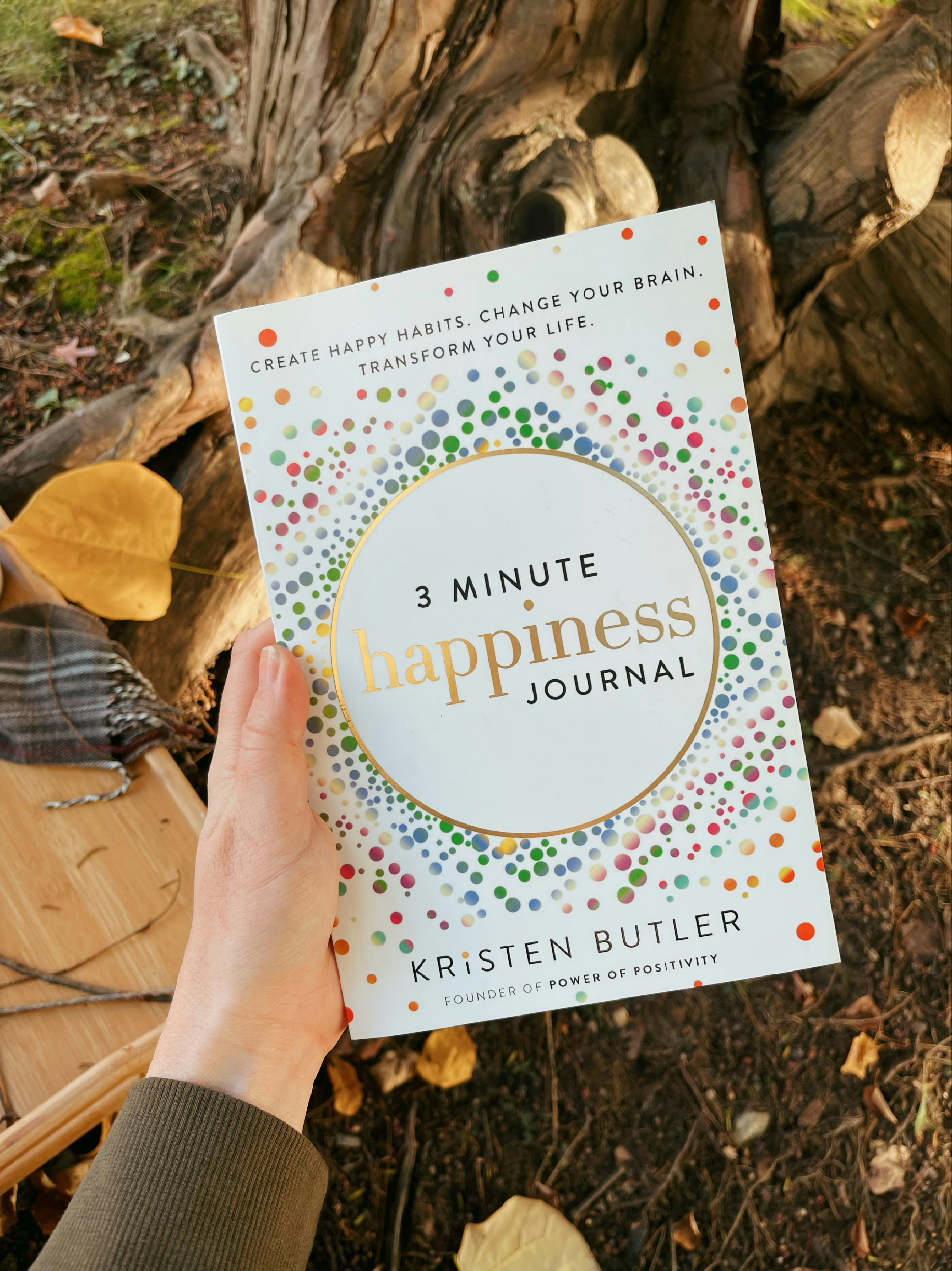
Journaling is another powerful tool in combating feelings of pressure. Through structured writing, individuals can articulate their thoughts and experiences, providing clarity and understanding. Keeping a gratitude journal, where one lists things they are thankful for each day, can shift focus from stressors to positive aspects of life. This intentional reflection on daily events nurtures resilience and contributes to an overall sense of well-being as the year unfolds.
Moreover, practicing deep breathing exercises can be beneficial. Simple techniques, such as inhaling deeply through the nose and exhaling through the mouth, can ground individuals and promote relaxation. These practices can be incorporated into daily routines or used as quick resets during moments of overwhelm.
Incorporating these mindfulness techniques into one’s lifestyle may alleviate the quiet pressure that often accompanies the start of a new year. By cultivating awareness through meditation, expressing gratitude through journaling, and utilizing relaxation techniques, individuals can nurture a more peaceful and focused mindset as they navigate the challenges ahead.
Sharing the Experience: Finding Community
As the year comes to an end and a new one begins, individuals often feel an increased pressure to meet personal and societal expectations. The feelings associated with these pressures can sometimes be overwhelming, leading to a sense of isolation. However, sharing one’s experiences with friends, family, or support groups can significantly alleviate these burdens. By discussing varying degrees of pressure and expectation, individuals can recognize they are not alone in their challenges and feelings.
Community plays a pivotal role in this context. Engaging in open conversations regarding one’s expectations fosters a sense of belonging. When individuals share their thoughts, they often uncover shared sentiments regarding aspirations and apprehensions. These dialogues can help dismantle feelings of inadequacy and provide reassurance that such pressures are prevalent, particularly during transitional periods like New Year.
Moreover, the act of sharing burdens can lead to empowering support networks. Friends and family can offer guidance, insights, and even motivation by sharing their own experiences and coping strategies. As members of a community articulate their feelings, they cultivate an environment where vulnerability is accepted and valued. This shared understanding can help individuals develop healthier approaches to their goals, making the pressures of the New Year seem less daunting.
Support groups, whether formed online or in-person, provide a safe space for discourse. These groups often consist of individuals who have encountered similar struggles, further enhancing the feeling of connectedness. Sharing in a collective experience can produce a comforting atmosphere, making the journey through self-expectations more manageable. Therefore, reaching out to others and participating in group discussions can lead to personal growth and resilience while under the weight of new challenges.
Embracing Imperfection and Growth
As we usher in a new year, it is crucial to understand that the journey of personal development is not linear but rather punctuated by imperfections and setbacks. Embracing these aspects can lead to deeper insights and ultimately contribute to our growth. The traditional view often associates success with flawlessness; however, this perspective can hinder individuals from acknowledging their complexities and experiences that shape their character.
In recognizing that imperfection is an inherent aspect of life, we allow ourselves the grace to accept failure as a stepping-stone rather than a stumbling block. Failures, when viewed through the lens of growth, become valuable feedback mechanisms that guide us towards necessary adjustments in our approach. This mindset not only reduces the anxiety that often accompanies the pressure for perfection but also cultivates resilience. It encourages a culture of experimentation where people feel safe to take risks and learn from missteps.
Furthermore, it is essential to foster a nurturing environment that encourages vulnerability. Sharing our struggles can foster connections that encourage collective growth. When people openly discuss their failures and the lessons they have learned, it creates a dialogue about human experience that is relatable and authentic. This exchange helps to demystify the fear of imperfection, instead showcasing how those very imperfections can serve as crucial components of our narratives.
Ultimately, the key to effective personal development lies in our ability to embrace imperfections. Acknowledging them as essential to our journey not only facilitates continuous growth but also enriches our understanding of what it means to strive for betterment in the context of authenticity. As this new year unfolds, may we choose to view each imperfection as an opportunity for renewal and learning.
Conclusion: Redefining the New Year Experience
As the new year approaches, the expectations that accompany it can create an environment of unrelenting pressure. Individuals often feel compelled to set ambitious resolutions, chase lofty goals, and conform to societal benchmarks of success. However, as we have explored throughout this writing, it is essential to recognize and navigate the often-overlooked quiet pressure that influences our perceptions and actions during this transitional period.
Redefining the new year experience begins with an emphasis on personal authenticity. Rather than succumbing to the weight of external expectations, individuals should focus on what genuinely resonates with them. This may involve cultivating self-care practices, setting realistic and meaningful goals, or simply taking the time to reflect on the past year. By approaching the new year with an attitude of self-acceptance, one can mitigate feelings of inadequacy and embrace the journey ahead.
Moreover, encouraging a community dialogue about the realities of setting goals and facing pressures can foster a supportive environment. Sharing experiences, challenges, and successes with others can help normalize the candid discussion around new year pressures and allow individuals to feel less isolated in their experiences. It is vital that we champion a mindset where personal well-being takes precedence over comparatives against others’ achievements.
In conclusion, as we move into the new year, let us collectively challenge the status quo by prioritizing self-compassion and authenticity. This shift in perspective will not only help to ease the burden of expectations but will also cultivate a healthier, more fulfilling experience as we embark on a new chapter in our lives. Embrace the new year not as a time for relentless pressure, but as an opportunity for personal growth and meaningful reflection.