Introduction: The Importance of Your Living Space
The relationship between our environment and well-being is often overlooked. However, numerous studies suggest that our living space significantly impacts our mood and mental health. The design, colors, organization, and ambiance of our surroundings play critical roles in shaping our emotional responses and general outlook on life. A well-thought-out living environment can foster positivity, ignite creativity, and promote tranquility, while a cluttered space may lead to feelings of stress and anxiety.
Psychologically, humans are deeply connected to their environments. Spaces that are well-lit and aesthetically pleasing can uplift spirits and enhance feelings of happiness. Conversely, gloomy or chaotic areas often contribute to negative emotions. It is, therefore, essential to examine how our living spaces reflect our inner state and how they can be modified to cultivate a more positive environment.
Moreover, simple upgrades or changes in our homes—like rearranging furniture, incorporating plants, or decluttering—can yield significant emotional benefits. For example, adding elements such as natural light through window treatments or introducing lively colors can directly uplift mood and well-being. Furthermore, creating communal areas in homes encourages social interaction, which is beneficial for mental health, while personalizing spaces with meaningful objects can reinforce a sense of identity and security.
By understanding the psychological effects of our living space, we can take deliberate steps to invest in our environments. This not only enhances our day-to-day experiences but also contributes to our overall mental and emotional health. In this blog post, we will explore several easy upgrades that can instantly improve your mood and create a more uplifting atmosphere at home.
Decluttering: The First Step to a Happier Home
Decluttering your home can pave the way to a more serene and uplifting living space. The process of removing unnecessary items not only enhances the physical appearance of your environment but also fosters emotional well-being. A tidy home can lead to reduced stress levels and increased clarity, allowing you to focus on the more meaningful aspects of your life.
To begin the decluttering process, it is advisable to tackle one area at a time. This could be a single room or even just a specific space like a closet or drawer. Breaking the task into smaller, manageable segments can alleviate feelings of being overwhelmed. Consider setting a timer for a brief period, such as 15 or 30 minutes, and dedicate that time to sorting through your belongings. During this period, categorize items into keep, donate, and discard piles. This method promotes discernment regarding what truly serves a purpose in your life.
The emotional relief that accompanies a decluttered home can be profound. Many individuals report feeling lighter and more energetic after removing clutter. This feeling stems from a direct correlation between one’s environment and mental state. A clean, organized space can create a sense of control and peace, assisting you in transforming your home into a personal sanctuary.
Moreover, maintaining a decluttered environment requires ongoing effort. One effective strategy is to implement a rule of one-in-one-out. For every new item you acquire, consider removing an old one from your home. This practice not only helps in managing your belongings but also reinforces the concept of mindful consumption. Regularly reassessing your possessions can help prevent build-up, ensuring that your home remains a place that invigorates and uplifts.
Lighting Matters: Transform Your Space with Natural Light
Lighting plays a crucial role in shaping our environment and influencing our mood. Research has shown that exposure to natural light can elevate mood, enhance productivity, and contribute to overall well-being. Therefore, maximizing natural light in your home is essential for creating an uplifting atmosphere. One effective way to facilitate more natural sunlight is by using sheer curtains. Unlike heavy drapes, sheer fabrics allow light to filter in while maintaining privacy. This soft illumination can create a warm and inviting space, significantly contributing to a positive ambiance.
Moreover, strategically placing mirrors throughout your living spaces can amplify the effects of available light. Mirrors reflect light, helping to distribute it throughout a room, thus making the area feel more spacious and brighter. When positioned near windows or light sources, mirrors can capture and redirect sunlight, creating an illusion of more extensive natural light. Consider placing a larger mirror opposite a window to maximize this effect.
Additionally, consider the placement of lamps and light fixtures. Properly positioned lamps can help to enhance the natural light within your home. For instance, using floor lamps or table lamps with warm bulbs can create a cozy atmosphere, complementing the sunlight during the day and ensuring a consistent lighting scheme throughout the day. Furthermore, opting for adjustable light fixtures can allow you to control the brightness and mood of a room, thus tailoring the environment to your emotional needs.
In conclusion, capitalizing on natural lighting by using sheer curtains, mirrors, and well-placed lamps can make a significant difference in your home’s atmosphere. These improvements are not only simple but can also lead to a more positive mood and overall well-being in your living space.
Adding Greenery: The Mood-Boosting Effects of Plants
Incorporating greenery into your home décor can have profound psychological benefits, enhancing your overall mood and creating an atmosphere of tranquility. Studies have shown that the presence of indoor plants can reduce stress and anxiety levels, thereby fostering a healthier mental state. Natural elements like plants serve to connect us with nature, which can alleviate feelings of isolation and promote feelings of well-being in our living spaces.
When selecting the right plants for your home, consider easy-to-care-for varieties that can thrive in various indoor environments. Plants such as the snake plant, pothos, or peace lily are not only visually appealing but are also known for their air-purifying qualities. These plants actively filter harmful toxins from the air, improving the air quality within your home, which contributes to better physical and mental health.
The aesthetic appeal of greenery adds a refreshing touch to your interior design. The vibrant colors and diverse textures of leaves can transform a dull space into a lively and stimulating environment. By choosing a mix of sizes and types of plants, you can create focal points in rooms while also benefiting from the mood-enhancing effects that plants bring. Grouping plants together can create a mini indoor garden, further enhancing the visual charm and sense of serenity in your home.
Moreover, the act of caring for plants can itself be a therapeutic activity. Engaging with greenery encourages mindfulness and presents an opportunity for reflection. Whether it’s watering or pruning, these nurturing tasks offer a chance to disconnect from daily stresses and cultivate a calming routine. Adding plants to your home not only improves aesthetics but serves as an invitation to embrace a lifestyle that values personal well-being.
5. Personal Touches: Displaying Your Interests and Memories
Creating a living space that resonates with your personality can significantly enhance your mood and overall well-being. Personal touches in home decor provide a sense of belonging and comfort, transforming a house into a home. By integrating items that reflect your interests and cherished memories, you can cultivate an environment that fosters happiness and contentment.
One effective way to achieve this personalization is through the creation of a gallery wall. This can be accomplished by compiling a collection of photographs, artwork, and other memorabilia that speak to your experiences and passions. Choose frames that complement your existing decor while allowing your unique personality to shine through. The act of curating a space with these visual elements can evoke positive memories and create a daily reminder of meaningful moments.
Another method to enhance your living environment is to display cherished possessions, such as travel souvenirs, awards, or gifts from loved ones. These items hold significance, serving as tangible reminders of accomplishments and meaningful experiences. Arranging them thoughtfully on shelves or coffee tables can spark joy and stimulate positive reflections. Incorporating colors that evoke happiness is also crucial; consider painting an accent wall or using decor items in shades that you associate with positive feelings, such as warm yellows or calming blues.
Ultimately, personalizing your space allows for emotional expression and contributes to an uplifting atmosphere. By surrounding yourself with meaningful artifacts and colors that elicit joy, you create a foundation for an improved mood and a welcoming environment that can be enjoyed daily. Personal touches in your home not only reflect who you are but also serve to inspire and uplift, making every day a little brighter.
Scent-sational Changes: The Power of Aromatherapy
Scents have a profound effect on our emotions and wellbeing, often functioning as powerful tools for mood enhancement. The science behind aromatherapy reveals how specific aromas can stimulate the brain’s limbic system, which plays a vital role in regulating emotions. By integrating pleasant scents into your living space, you can create a more enjoyable atmosphere that uplifts your spirits and nurtures a sense of calm.
Essential oils, extracted from various plants, are a popular choice for mood enhancement due to their therapeutic properties. Essential oils such as lavender, known for its calming effects, can help reduce stress and promote relaxation. Similarly, citrus oils like lemon and orange are organically associated with feelings of happiness and cheerfulness. To harness the effects of these oils, consider using a diffuser to disperse the aromas throughout your home. The gentle mist can create a soothing environment conducive to both relaxation and focus.
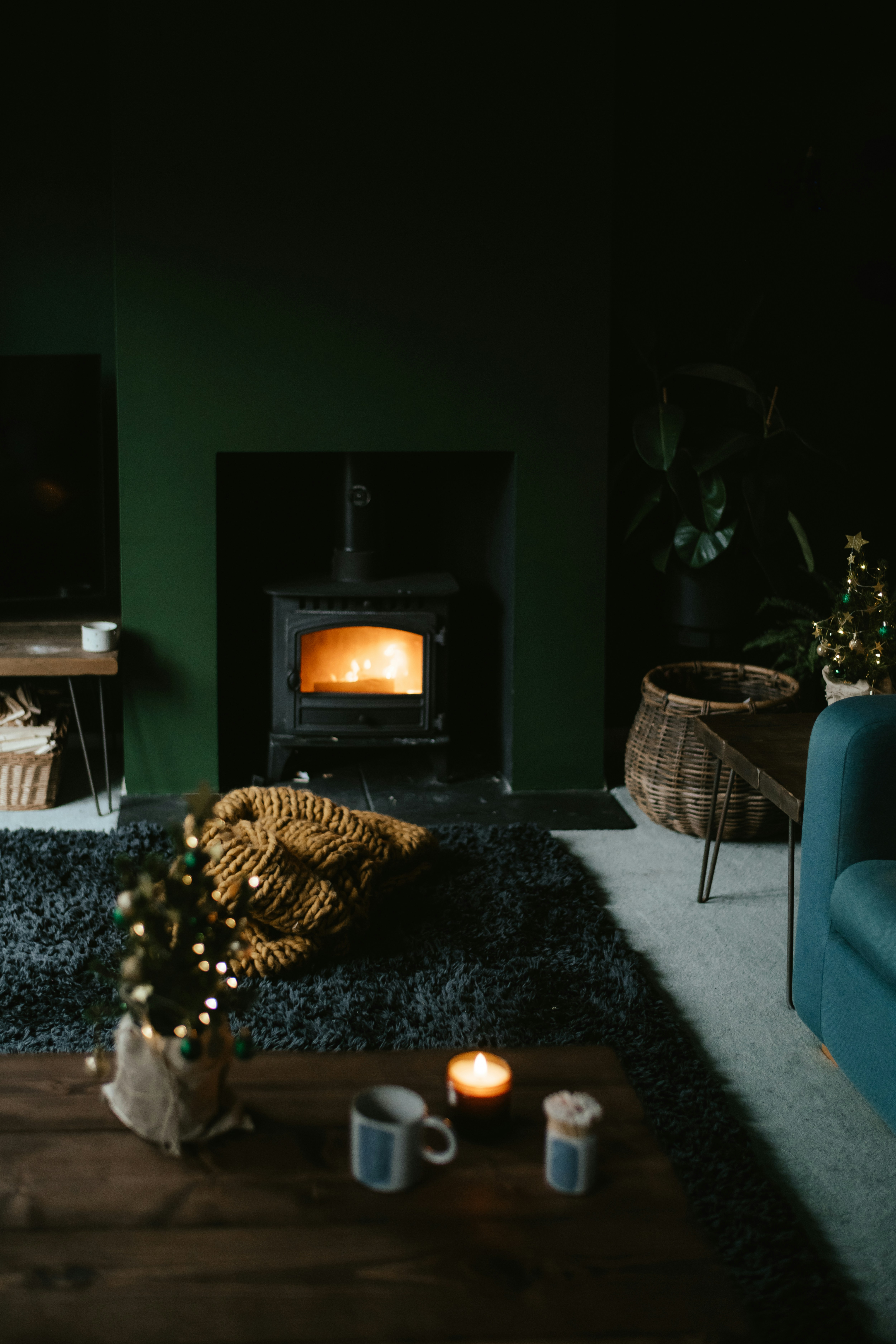
Additionally, scented candles provide another avenue for infusing your home with uplifting fragrances. The act of lighting a candle can create a sense of ritual and peace. Choose candles that feature essential oils rather than synthetic fragrances to ensure you are benefiting from their natural mood-boosting qualities. Furthermore, incorporating candles into your evening routine can lead to a serene transition into relaxation, enhancing your overall wellbeing.
For those seeking to explore a variety of scents, aromatherapy blends can be easily crafted to cater to specific moods or occasions. Many shops offer pre-made blends, but making your own is also a fulfilling project. Combining oils such as eucalyptus for clarity, with chamomile for calmness, exemplifies the versatility of aromatherapy, allowing for a personalized touch in your home.
Revamping Your Color Palette: Colors That Lift Your Spirits
Color plays a significant role in our emotional well-being. Research has shown that different shades can evoke various feelings and responses, influencing our moods and overall ambiance of our living spaces. When considering quick home upgrades, a thoughtful revamping of your color palette can lead to significant improvements in how you feel within your home.
Bright and cheerful colors such as yellow, orange, and light greens are often associated with positivity and energy. Yellow, reminiscent of sunshine, can create a warm and inviting atmosphere, making it a great choice for kitchens or dining areas. Similarly, shades of orange can stimulate excitement and enthusiasm, making it an ideal choice for a game room or home office where creativity is essential. To incorporate these uplifting colors, consider adding decorative pillows, artwork, or even a fresh coat of paint on an accent wall.
Blue and green hues, while generally considered cooler, have proven effects on tranquility and calmness. Pale blues can foster a soothing environment, making them perfect for bedrooms or reading nooks, while lively greens connect us to nature and nurture feelings of rejuvenation. A simple way to enhance your space could be through houseplants paired with decorative pots in these shades, creating a refreshing atmosphere without overwhelming the senses.
Neutral tones, such as taupe, beige, and soft whites, provide a balanced backdrop that can enhance the liveliness of brighter colors. Using these as base colors allows for easy integration of vibrant accents in terms of furnishings or wall art, leading to a harmonious yet dynamic space. Understanding how color influences mood can empower you to make deliberate choices that ultimately promote feelings of happiness and energy in your home.
Creating Cozy Spaces: Nooks for Relaxation and Comfort
In today’s fast-paced world, the significance of having a designated space for relaxation and comfort in the home cannot be overstated. Creating cozy spaces, such as reading nooks or comfortable sitting areas, allows individuals to unwind and recharge after a long day. These intimate corners can serve as personal sanctuaries, fostering a tranquil atmosphere where one can escape from daily stressors.
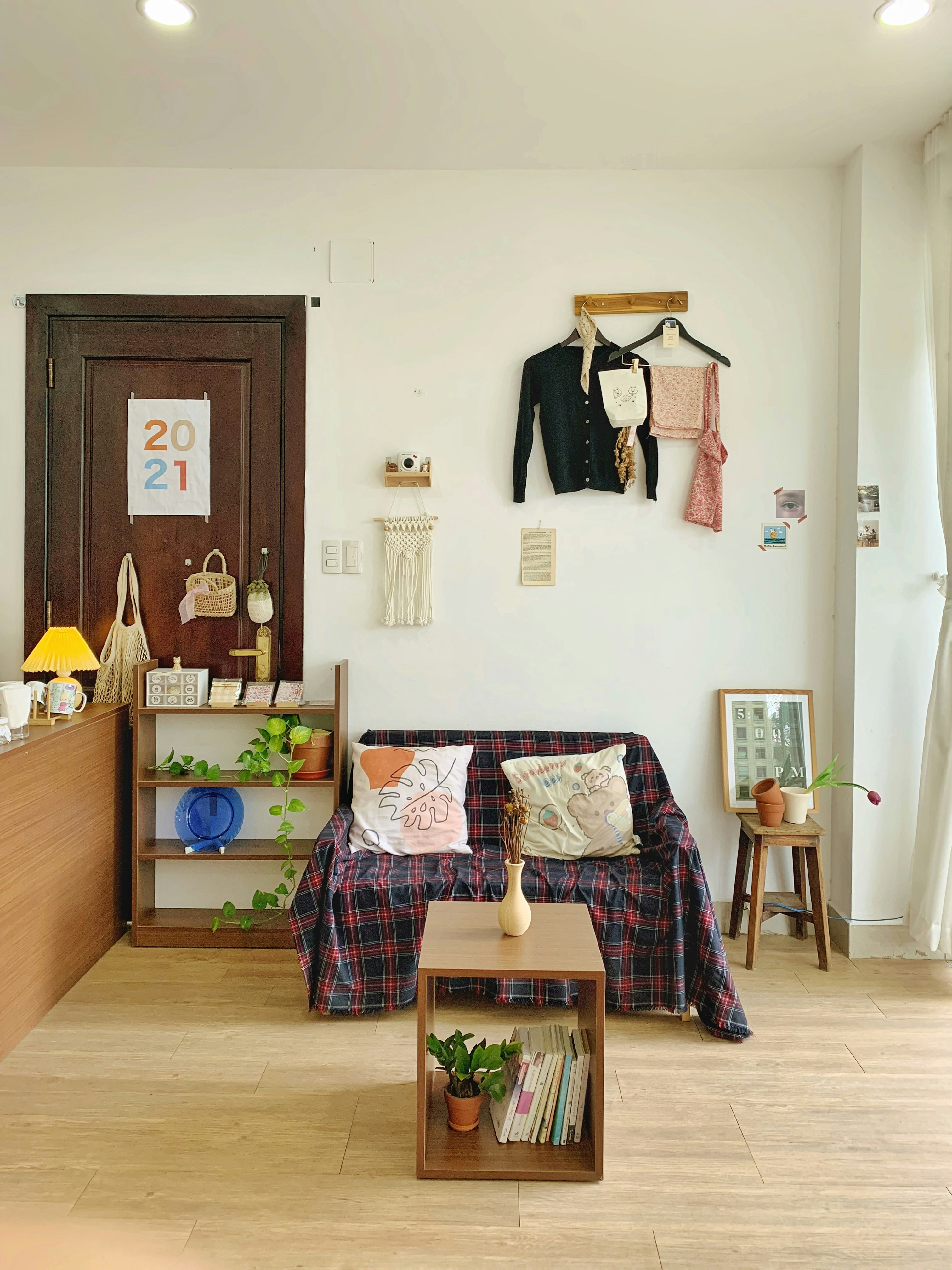
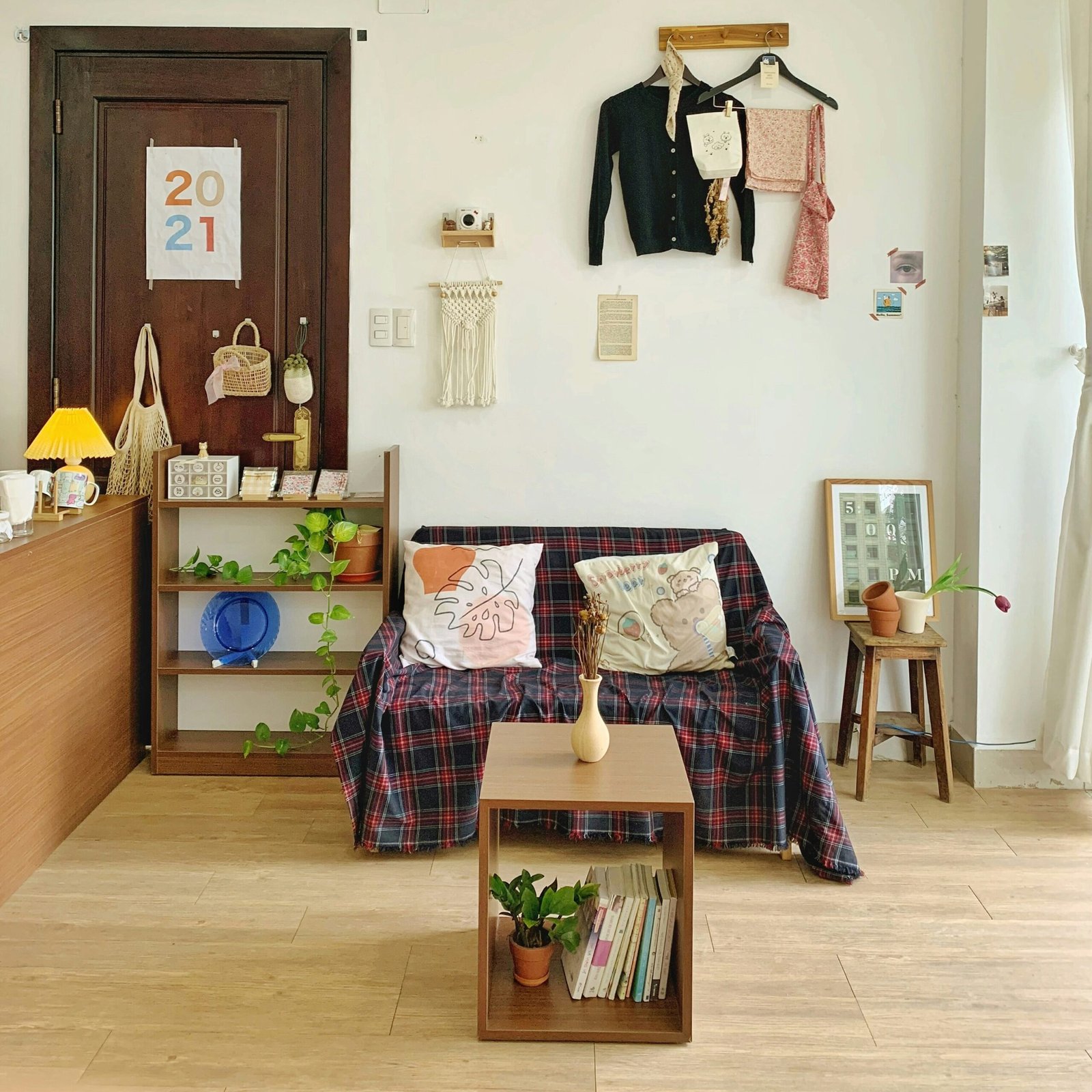
When considering how to design a cozy nook, it is important to focus on the elements that contribute to comfort. Start by choosing a quiet, well-lit area, preferably near a window to take advantage of natural light. Adding a plush chair or a small loveseat can make a significant difference in creating an inviting space. Soft cushions and throws enhance comfort while providing warmth, making it an ideal spot for reading or simply indulging in a moment of tranquility.
Incorporating personal touches can further enhance the ambiance of these cozy spaces. Consider adding decorative items such as framed photos, artwork, or sentimental trinkets, which can evoke positive feelings and contribute to a sense of belonging. Additionally, incorporating plants can breathe life into the space; they not only purify the air but also promote a calming effect. A small bookshelf can complete the nook, providing easy access to a collection of favorite reads, further encouraging relaxation and downtime.
In conclusion, dedicating time and effort to create cozy spaces within your home can significantly impact your mood and overall well-being. A well-designed nook offers more than just physical comfort; it serves as a retreat that invites peaceful moments, encouraging you to prioritize self-care and relaxation in your daily routine.
Conclusion: Small Changes, Big Impact
Throughout this blog post, we have explored various quick home upgrades that can significantly enhance your mood and overall well-being. The essence of these improvements lies in their simplicity and effectiveness; often, minor adjustments to our living spaces can create a profound impact on our mental health. From vibrant color enhancements to the integration of natural elements, each upgrade offers unique benefits that contribute to a more positive atmosphere.
We highlighted the benefits of decluttering, emphasizing how a tidy environment can lead to reduced stress and increased clarity. Similarly, altering lighting fixtures not only boosts aesthetic appeal but also positively influences our mood during different times of the day. Additionally, incorporating plants into your home not only beautifies the space but also improves air quality and creates a calming presence.
Engaging in these upgrades fosters a sense of ownership over one’s environment, which is essential for mental health. The personal connection we form with our spaces impacts our emotional well-being, making it crucial to invest time and thought into creating a home that reflects positivity and comfort. Each small change, whether it be adding a cheerful throw pillow or rearranging furniture for better flow, can lead to a more uplifting home experience.
In conclusion, the cumulative effect of these quick home upgrades can transform your dwelling into a sanctuary that enhances your mood and supports your mental well-being. By making these small changes, you inevitably contribute to a more joyful living space, paving the way for improved mental health and a better quality of life.