
Table of Contents
The Myth of New Year Resolutions
Every year, countless individuals set their sights on ambitious New Year resolutions filled with aspirations for self-improvement and change. Traditionally, these resolutions range from losing weight and exercising more to reading books and learning new skills. However, it is essential to acknowledge that a significant proportion of these resolutions fail within weeks or even days. This phenomenon raises the question: why do New Year resolutions often appear so promising yet result in disappointment?
One prevalent misconception is that the New Year symbolizes a fresh start, automatically empowering individuals to effortlessly make profound life changes. However, without a well-formulated plan and realistic expectations, such resolutions can quickly become overwhelming. The pressure to commit to drastic lifestyle changes may lead many to feel discouraged, especially when immediate results are not evident.

Moreover, many resolutions are vague, lacking specific actionable steps. For instance, stating that one wants to “get fit” is less effective than establishing a measurable target, such as “attend a yoga class twice a week.” Setting clear and attainable goals allows individuals to track their progress and celebrate small victories, fostering a sense of achievement rather than defeat.
In light of the challenges associated with traditional resolutions, it is beneficial to consider adopting realistic habits instead. By focusing on sustainable changes rather than lofty goals, individuals can cultivate habits that fit more seamlessly into their lifestyle, ultimately leading to genuine and lasting results. This approach emphasizes gradual, consistent improvement rather than drastic, short-term transformations.
In the following sections, we will explore practical habits that can be integrated into daily routines, offering a more sensible and reachable framework for personal growth in the New Year.
The Importance of Setting Achievable Goals
As we usher in a new year, many individuals are compelled to set resolutions aiming for personal growth and positive change. However, the importance of these goals hinges not just on their existence, but on their realism and achievability. Setting realistic and achievable goals is crucial for fostering a sustainable approach to growth, ensuring individuals remain motivated and engaged throughout the process.
Achievable goals act as manageable stepping stones, allowing for gradual improvement rather than overwhelming challenges. When these targets are small and attainable, individuals can celebrate their progress, which subsequently boosts their confidence and encourages persistence. For instance, instead of committing to run a marathon within three months, a more achievable goal might be to walk for 30 minutes three times a week. This approach not only promotes physical health but also instills a sense of accomplishment that motivates further pursuits.
Moreover, realistic goals take into consideration an individual’s current lifestyle, commitments, and limitations. This segmentation helps in creating a more tailored strategy that aligns with personal circumstances, thereby increasing the chances of adherence. When goals are grounded in practicality, individuals are less likely to experience frustration or disappointment, common pitfalls in traditional resolution-making.
Additionally, breaking down larger ambitions into smaller, actionable plans is beneficial. This strategy enhances focus and reduces anxiety associated with the prospect of achieving grand outcomes. Tracking progress on these incremental goals fosters an attitude of resilience, supporting the notion that change is a journey rather than a destination.
Ultimately, setting achievable goals is imperative for creating lasting habits that lead to meaningful change. By embracing a realistic framework, individuals can not only aspire to improve but also develop a consistent practice of self-enhancement that reverberates throughout their lives.
Habit Stacking: A Strategy for Success
Habit stacking is an innovative approach to integrating new behaviors into your daily life by building them on top of existing habits. This strategy is effective because it capitalizes on the already established routines, making the adoption of new habits feel more seamless and manageable. The essence of habit stacking lies in identifying a well-rooted habit and then linking a new behavior to it. For instance, if you currently have a practice of drinking your morning coffee, you might stack the habit of doing five minutes of stretching immediately after finishing your cup. This connection helps anchor the new habit to an activity you already perform routinely.
When implementing habit stacking, it can be beneficial to keep the new habits simple and easily achievable. This ensures that the modifications do not feel overwhelming. You might consider stacking behaviors such as reading a few pages of a book while waiting for your meal to cook or practicing mindfulness during your commute. The goal is to cultivate small, positive behaviors that can be sustained in the long run.
Additionally, effective habit stacks often involve a sequence that feels natural and logical. For instance, if you are working on improving your hydration, you could stack the habit of drinking a glass of water each time you brush your teeth. Not only does this serve to reinforce the new habit, but it also creates a consistent reminder amidst your existing dental routine. By approaching habit formation in this structured manner, individuals can significantly increase their chances of successfully integrating these new behaviors into their lives.
Focusing on One Habit at a Time
When it comes to establishing new habits, focusing on just one at a time can significantly improve your chances of success. Attempting to overhaul your lifestyle by reshaping several habits simultaneously often leads to overwhelm and frustration. By concentrating on a single habit, you enhance your ability to track progress and solidify the behavior in your daily routine. This focused approach creates a stronger foundation upon which to build additional habits in the future.
Choosing which habit to focus on can be a pivotal moment in your journey toward self-improvement. Begin by assessing your current lifestyle and identifying areas where small changes could lead to notable benefits. It could be as simple as drinking more water daily, committing to a nightly five-minute mindfulness routine, or incorporating a short daily exercise session. Selecting a habit that resonates with your goals and values increases the likelihood of commitment and success.
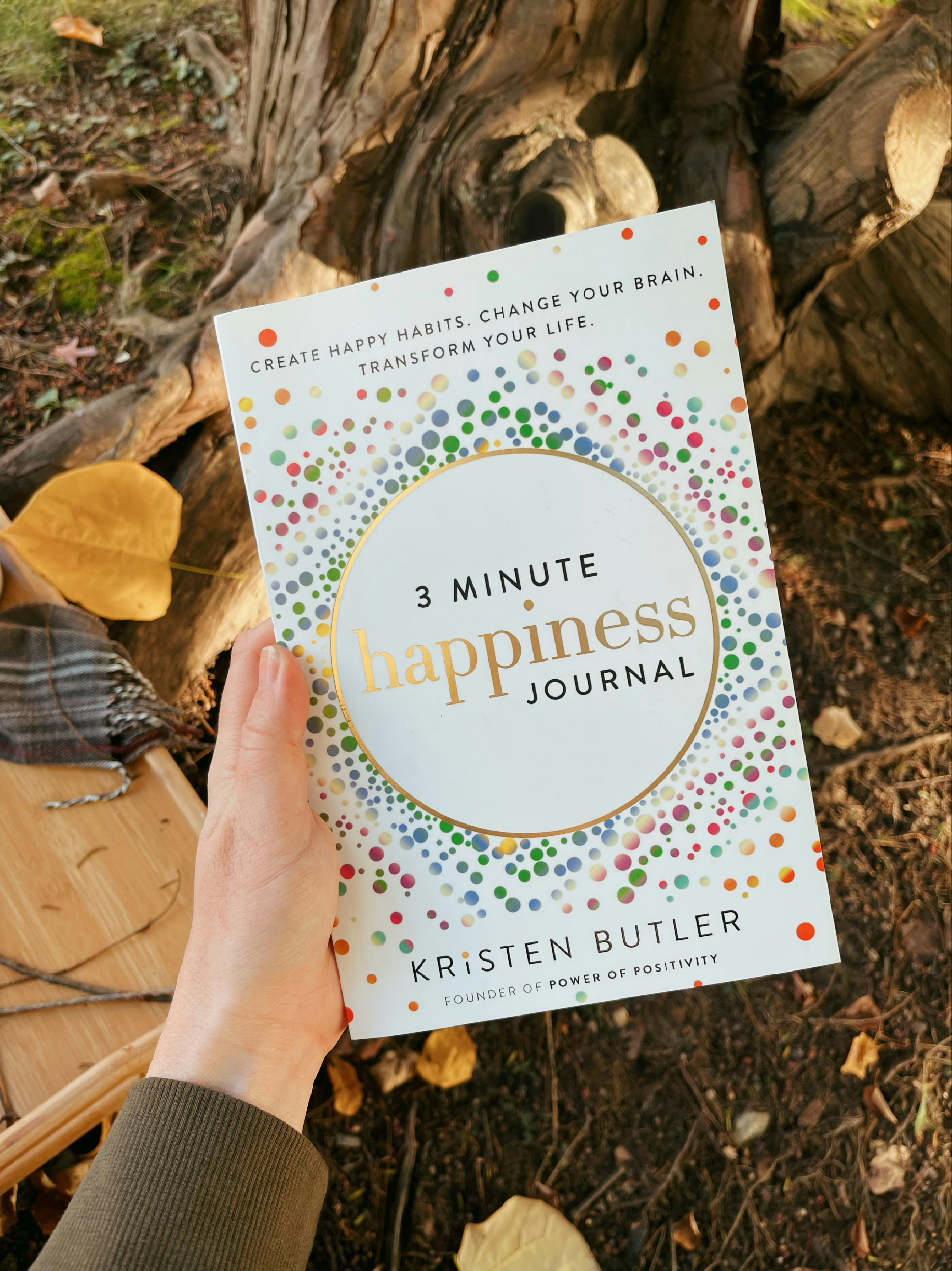
Once you have identified the habit to focus on, maintaining commitment becomes critical. To enhance this aspect, consider implementing strategies such as setting clear, achievable milestones and tracking progress regularly. Keeping a habit journal can serve as both a motivational tool and an accountability measure. It allows you to reflect on your journey, understand what works well, and identify any challenges you may face.
Another effective strategy is to establish a consistent cue or trigger for the habit. For instance, if your goal is to walk more, you might decide to do so right after lunch every day. This consistency helps your brain associate the habit with the cue, making it easier to adopt over time. Remember, the focus should always be on gradual improvement rather than perfection. As you build confidence and establish a routine with one habit, you can then identify the next behavior to focus on, leading to a more sustainable change in your lifestyle.
Utilizing Technology and Apps for Habit Tracking
In the modern age, technology plays a crucial role in helping individuals track and maintain their habits. With the proliferation of smartphones and apps, habit tracking has become more accessible and effective. Several mobile applications stand out for their sophisticated features and user-friendly interfaces that cater to a wide array of habit formation needs.
One popular application is Habitica, which gamifies the habit-setting process, turning tasks into a role-playing game. This app allows users to earn rewards for completing tasks, thus providing motivation to stick to their new routines. Additionally, Todoist is an excellent tool for individuals who prefer a straightforward to-do list format. Users can organize their tasks, set deadlines, and receive reminders, which is essential for maintaining momentum in building new habits.
Another noteworthy option is Streaks, designed explicitly for habit tracking. This app encourages users to maintain streaks of days where they successfully complete their chosen habits. The visual representation of progress in Streaks makes it easier to stay engaged and committed to one’s goals. Moreover, the app allows users to track multiple habits at once, creating a comprehensive overview of their daily activities.
For those who enjoy logging and tracking various forms of exercise, Strides provides a robust platform that integrates fitness goals with general habit tracking. It offers flexibility in tracking daily habits, weekly goals, or even long-term achievements. The analytics feature in Strides helps users visualize their progress over time, making adjustments easier and more effective.
Overall, embracing technology and utilizing these applications can significantly enhance one’s ability to establish and maintain effective habits. By leveraging these tools, individuals can foster a supportive digital environment that aligns with their habit-forming objectives, ensuring they remain dedicated to their goals throughout the year.
Building a Support System for Accountability
Establishing a strong support system is vital for successfully developing and maintaining realistic New Year habits. The presence of a community, be it friends, family, or colleagues, provides the encouragement and motivation needed to stay on track. When individuals work towards a common goal, the sense of accountability increases, making it less likely for them to abandon their resolutions.
One effective strategy for building a support system is to identify those who share similar goals. Joining groups or clubs focused on personal development can connect you with like-minded individuals who understand the challenges associated with habit-building. Online forums and social media platforms also offer opportunities to engage with those pursuing similar resolutions. Such environments foster camaraderie, enabling users to share experiences, setbacks, and triumphs.
In addition to seeking out existing communities, consider forming your own support group. This can be as simple as gathering family members or friends who are interested in making lifestyle changes. By meeting regularly to discuss progress and challenges, participants can provide each other with constructive feedback and encouragement. Setting mutually agreed-upon goals can enhance the sense of commitment among group members.
It is important to establish clear communication within your support network. Whether it be through regular check-ins via text, email, or in-person meetings, maintaining contact helps reinforce positive habits. Sharing successes, no matter how small, contributes to a collective motivation that uplifts all members involved.
Ultimately, the key to a successful support system lies in fostering a non-judgmental environment. Encouraging openness allows individuals to express their struggles without fear, ultimately leading to stronger connections and greater accountability in achieving their New Year habits.
Creating a Reward System to Reinforce Habits
Establishing a reward system is a crucial element in the formation of lasting habits. When embarking on a journey to integrate new behaviors into your daily routine, motivation plays a significant role. By recognizing and celebrating progress, you can enhance the positive reinforcement necessary for habit formation.
Effective rewards can vary widely according to personal preferences and the specific habits you are working to establish. For instance, if your goal is to exercise regularly, a reward could be allowing yourself a relaxing bath or watching an episode of your favorite show after a workout. This creates a positive association with the habit, encouraging you to stick to it. On the other hand, small treats, such as a favorite snack or a short break for leisure activities, can serve as incentives for completing tasks related to habit formation.
When structuring a reward system, it is important to implement a two-tiered approach: immediate and long-term rewards. Immediate rewards can be given upon completing a specific task or achieving a short-term goal. For example, if you manage to meditate daily for a week, you might treat yourself to a coffee at your favorite café. Long-term rewards, on the other hand, should be based on more significant accomplishments, such as reaching a milestone or maintaining a habit consistently for a month. This could include a weekend getaway or purchasing something you have been wanting, creating a sense of achievement.
To effectively maintain motivation, it is essential to regularly review and adjust your reward system to ensure it remains effective and relevant. This flexibility will help you stay engaged and committed to your new habits, ultimately contributing to sustainable lifestyle changes.
Overcoming Setbacks: Adjusting and Refocusing
Setbacks are a natural part of any journey, especially when it comes to forming new habits. A common misconception is that losing momentum means failure. However, understanding that setbacks can offer valuable learning opportunities is crucial for maintaining motivation. When you encounter obstacles, the primary step is to accept the setback as a necessary part of the adjustment process.
To effectively manage these disruptions, re-evaluating your goals is essential. Consider whether your objectives were realistic and attainable from the start. Adjusting them can sometimes mean scaling back, which does not equate to giving up; rather, it’s about ensuring that your ambitions align with your current circumstances and capabilities. For instance, if your goal was to exercise five times a week but this proved too challenging, adjusting it to a more manageable three sessions can help you stay committed without feeling overwhelmed.
Furthermore, developing a resilient mindset is key to overcoming obstacles. Being resilient involves cultivating the ability to bounce back after facing challenges. Techniques such as mindfulness, positive affirmations, and journaling can reinforce this mindset. These practices not only aid in maintaining focus but also in recognizing your progress, no matter how small.
It’s also beneficial to establish a support system during these times. Engaging with friends, family, or even online communities can provide encouragement and accountability, enhancing your motivation to stay on track. Sharing experiences and strategies with others can also lead to alternative perspectives that can help you refocus.
Remember, the journey toward new habits is not a straight path. Embracing setbacks as part of the process while adjusting your expectations can help you develop the persistence necessary for lasting change.
Conclusion: Embracing a Lifelong Journey of Improvement
As we reach the end of our exploration into realistic New Year habits, it is pivotal to recognize that the shift from short-term resolutions to a mindset of continuous personal growth is essential. This transformation not only enhances the likelihood of achieving our set goals but also fosters a deeper sense of fulfillment and purpose in our lives. Embracing this perspective encourages individuals to view their habits not as rigid expectations but as flexible tools for ongoing improvement.
Starting small can serve as a gateway to larger, more meaningful changes over time. Rather than overwhelming oneself with grand resolutions that may quickly become unattainable, individuals are encouraged to incorporate modest, manageable habits into their daily routines. These small steps, while seemingly insignificant at first, can collectively lead to substantial progress when approached with consistency and determination.
Moreover, celebrating every success, regardless of its size, plays a crucial role in maintaining motivation and momentum. Each little victory contributes to a positive reinforcement cycle, instilling confidence and encouraging the persistence needed for enduring change. It is important to recognize that setbacks may occur, and such instances should not be viewed as failures, but rather opportunities to learn and adapt. This nurturing mindset can transform the journey of self-improvement into a rewarding experience.

Ultimately, by adopting a holistic approach to habit formation—characterized by patience, self-compassion, and a commitment to lifelong development—individuals can cultivate a richer, more satisfying existence. With this new understanding, the adventure of personal improvement becomes an exciting lifelong journey, not merely a yearly checklist. As we navigate this path, let us remember to appreciate the process and be proud of our evolution, fostering a cycle of growth that truly lasts.