

Introduction: The January Reset Myth
Each year, as the calendar turns to January, a widespread notion emerges that prompts individuals to pursue drastic changes in their lives. This phenomenon is predominantly fueled by the tradition of New Year’s resolutions—a practice embedded in the cultural fabric that encourages people to reinvent themselves as a new year begins. This belief emphasizes January as an opportune moment to reset, motivating many to set high expectations for personal improvement.
However, this cultural emphasis can inadvertently create significant pressure on individuals. As January rolls in, the desire to overhaul one’s life can lead to unrealistic benchmarks and hasty decisions. The prevalent idea underscores a binary understanding of success: either one adheres to their lofty goals or they face disappointment for not achieving them. Consequently, many individuals experience feelings of guilt and inadequacy, which can be detrimental to their overall well-being. Instead of fostering a genuine desire for self-improvement, this seasonal reset ethos can invite anxiety and self-criticism.
Moreover, the focus on rapid change during January often overlooks the complex nature of personal growth. Life improvements generally do not occur in isolated bursts but are rather a gradual journey characterized by ups and downs. Many high achievers illustrate that sustained progress emerges from consistent, small changes rather than dramatic overhauls initiated at the year’s start. Therefore, while the dawn of a new year may serve as a motivational milestone, it should not be solely relied upon as the definitive starting point for personal transformation.
Embracing the journey of self-improvement means recognizing that it is an ongoing process—one that does not conform to the constraints of the calendar. By shifting the focus from a pressured January reset to a patient, enriched journey, individuals can cultivate a healthier approach toward achieving their goals.
The Pressure of Perfection: Societal Expectations
In contemporary society, the pursuit of perfection has been increasingly emphasized, particularly at the beginning of the year. As January arrives, individuals often feel compelled to set lofty resolutions aimed at transforming their lives. This phenomenon is significantly amplified by societal norms and the pervasive influence of social media, which create an atmosphere where success is frequently showcased and perfection is idealized. Consequently, individuals can find themselves grappling with intense pressure to conform to these expectations.
Social media platforms serve as a double-edged sword; they provide a space for sharing personal achievements while simultaneously fostering unrealistic comparisons. Users frequently witness curated glimpses of others’ lives where they appear to have achieved significant milestones or complete transformations. Such portrayals can lead to a sense of inadequacy among those who struggle to meet their own goals, sparking feelings of self-doubt and disappointment when January resolutions are not realized.
Moreover, societal expectations often emphasize a polished, perfect image, further complicating the journey of self-improvement. This leads to a misperception that success is not only attainable but should be easily achieved, without recognizing the effort and time that transformation truly requires. The resultant pressure can diminish the value of gradual progress, as individuals become consumed by their perceived failures rather than celebrating the small achievements that mark their personal journey.
Ultimately, rather than succumbing to these societal pressures, it is essential to embrace the uniqueness of one’s own path. Accepting that transformation is a personal journey, filled with both successes and setbacks, can foster a healthier mindset. Recognizing that perfection is neither attainable nor necessary allows individuals to cultivate resilience, self-compassion, and a dedication to continuous growth, free from the shackles of unrealistic expectations.
The common perception that January is the definitive starting point for personal change is rooted more in cultural narratives than in reality. Change is not confined to a single month or a specific season; it is a continuous process that unfolds day by day throughout the year. As such, individuals should recognize that opportunities for growth and transformation can arise at any moment, regardless of the calendar.
Research supports the notion that motivation to change is often stimulated by life events that can occur all year long. For instance, a significant life transition—such as starting a new job, experiencing a loss, or entering into a new relationship—can prompt individuals to re-evaluate their goals and aspirations. These events can serve as catalysts for self-improvement, regardless of the date on the calendar.
Anecdotal evidence illustrates that many people embark on their journeys of change outside of January. For example, many fitness regimens are initiated in the spring, inspired by the fresh energy of the season. Similarly, students frequently set educational goals at the start of a new academic year, which may not align with the beginning of a calendar year. These examples underline that significant transformation often occurs in response to personal circumstances and external influences rather than a predefined schedule.
Furthermore, the pressure to initiate change in January can be overwhelming and unrealistic. This often leads to setting resolutions that are too ambitious or unattainable, resulting in frustration and discouragement. By viewing personal development as an ongoing journey, rather than a singular event, individuals can cultivate a mindset that embraces gradual progress. This approach fosters resilience and enables a more sustainable pathway toward meaningful transformation, ultimately helping individuals to understand that every day presents a new chance to grow, learn, and evolve.
The Dangers of All-or-Nothing Thinking
All-or-nothing thinking is a cognitive distortion that can severely hinder personal growth and goal achievement, especially when with New Year resolutions. This binary mindset makes individuals view situations in extremes, leading them to believe that they must be perfect or face total failure. Consequently, when a minor setback occurs—such as missing a workout or indulging in unhealthy food—individuals may abandon their entire set of resolutions, feeling that they have “blown it.”
The crux of this issue is that all-or-nothing thinking often results in a cycle of frustration and discouragement. When lofty goals are set, the expectation is for immediate and comprehensive change. This pressure can provoke anxiety and lead to feelings of inadequacy when individuals inevitably struggle to meet these unrealistic standards. It may even prevent them from starting at all. Instead of taking small, consistent steps towards improvement, they may opt for drastic, one-time efforts that are ultimately unsustainable.
Furthermore, this cognitive pattern can distort self-perception, fostering negative emotions such as shame and self-doubt. For instance, someone intending to lose weight may fixate solely on the scale, disregarding other positive habits they could be cultivating. By failing to measure success in nuanced ways, they overlook progress made in areas like endurance, strength, or mental well-being. Therefore, it is crucial to recognize the signs of this thinking and adopt a more balanced perspective.
In order to foster sustainable change, a nuanced approach that embraces imperfections and recognizes incremental progress is vital. Reframing goals to allow for flexibility and understanding that setbacks are a natural part of the journey can provide individuals with a healthier mindset. By shifting focus from extreme outcomes to consistent efforts, one can nurture resilience and ultimately achieve lasting improvement.

Establishing Realistic Goals: Small Steps Matter
In the pursuit of self-improvement, many individuals fall into the trap of setting grand resolutions at the start of the year, only to abandon them shortly thereafter. A more effective approach is to establish realistic goals through incremental progress. Rather than attempting to overhaul one’s life overnight, breaking down larger ambitions into manageable steps allows for a more sustainable growth process. This philosophy underscores the significance of small victories, which can collectively lead to substantial transformations over time.
By focusing on smaller, achievable goals, individuals can cultivate a sense of accomplishment that motivates them to continue striving for improvement. For instance, instead of vowing to lose a significant amount of weight within a month, one might commit to walking for ten minutes daily or substituting one unhealthy meal per week with a nutritious option. These minor adjustments can gradually result in healthier habits that are more likely to be sustained long-term.
Moreover, establishing realistic goals involves recognizing personal limitations and being flexible with one’s timeline. The journey towards achieving these goals is not always linear; setbacks are natural and should not derail one’s progress. By understanding that small steps can accumulate into larger achievements, individuals bolster their resilience and boost their confidence, positioning themselves for eventual success.
Adopting a mindset that values small progress encourages individuals to celebrate their incremental achievements rather than waiting for a major milestone. This practice fosters a positive self-image and reinforces the belief that change is possible. Thus, when setting goals, focusing on the journey and appreciating each step taken can lead to a more fulfilling and enriching experience.
Cultivating Self-Compassion: Be Kind to Yourself
In a world often characterized by relentless pursuit of perfection, self-compassion emerges as a pivotal element in nurturing emotional well-being. The journey of personal growth is seldom linear; setbacks are inevitable. During these challenging times, fostering self-compassion becomes crucial. This concept involves treating oneself with the same kindness, concern, and support as one would offer to a friend facing difficulties.
To cultivate self-compassion, start by developing an inner dialogue that emphasizes understanding and support. Recognize that everyone encounters obstacles and that experiencing disappointment is a part of the human experience. Instead of engaging in self-criticism, try to acknowledge your feelings without judgment. This involves reminding yourself that making mistakes is not a reflection of your worth, but rather an opportunity for learning and growth.
Another effective technique is the practice of mindfulness. By staying present and accepting your emotions as they arise, you create a safe space for self-exploration. Mindfulness encourages an awareness of thoughts and feelings without attachment, allowing for a more compassionate response. This approach helps you to appreciate your journey, irrespective of its imperfections.
Additionally, consider writing a letter to yourself during times of struggle. Articulating your feelings and expressing words of encouragement can reinforce positive self-talk. This technique acts as a gentle reminder of your resilience and capacity for growth, helping to counteract negative self-perceptions.
Ultimately, embracing self-compassion requires practice and patience. By nourishing a forgiving inner dialogue, you not only foster personal growth but also establish a healthier relationship with yourself. In moments of difficulty, remember to treat yourself with the same kindness that you would extend to others, allowing your journey to unfold with compassion and grace.
Finding Joy in the Process: Embrace the Journey
In the pursuit of self-improvement, individuals often find themselves consumed by the desire to achieve specific goals. While setting resolutions and striving for outcomes can be motivating, it is essential to remember that the journey itself holds significant value. Embracing the process of personal growth allows one to cultivate joy and satisfaction in everyday experiences.
Each day presents opportunities for learning and development, and these moments should not be overshadowed by the fixation on endpoint achievements. For instance, rather than viewing exercise merely as a means to a physical goal, consider it an enjoyable activity that enhances one’s overall well-being. By reframing the perspective, it becomes easier to appreciate the progress made along the way, regardless of the final destination.
Moreover, recognizing and celebrating small victories can foster a sense of fulfillment. Acknowledging incremental improvements in skills, relationships, or even mindset can contribute to a rewarding experience of growth. This practice encourages individuals to remain engaged in their self-improvement journey and can help sustain motivation as they navigate challenges.
Additionally, embracing the journey involves cultivating mindfulness, which encourages individuals to be present in their daily lives. Practicing mindfulness can enhance one’s awareness of feelings and thoughts, allowing for a deeper connection to the lived experience. When individuals approach self-improvement from this place of awareness, they can derive joy from the everyday moments often overlooked.
In conclusion, finding joy in the process of self-improvement nurtures a more balanced and rewarding approach to personal growth. By appreciating each step taken along the journey, individuals not only enhance their experiences but also create a more sustainable framework for positive change.
The Role of Mindfulness in Personal Growth
Mindfulness has emerged as a pivotal component in the context of personal growth. Incorporating mindfulness practices allows individuals to cultivate a profound awareness of their thoughts, emotions, and surroundings, which can significantly enhance self-understanding and maturity. Through techniques such as meditation and journaling, one can embark on a journey of self-discovery at any moment in the year, bypassing the restrictive notion of making January the only catalyst for change.
Meditation, a core aspect of mindfulness, involves dedicating time to focus the mind and attain a state of calm. This practice fosters an environment where individuals can explore their feelings without distraction or judgment. Regular meditation can increase emotional resilience, enabling individuals to respond rather than react to stressors in life. By establishing a consistent meditation routine, people can delve deeper into their mental processes, facilitating a clearer pathway toward personal growth.
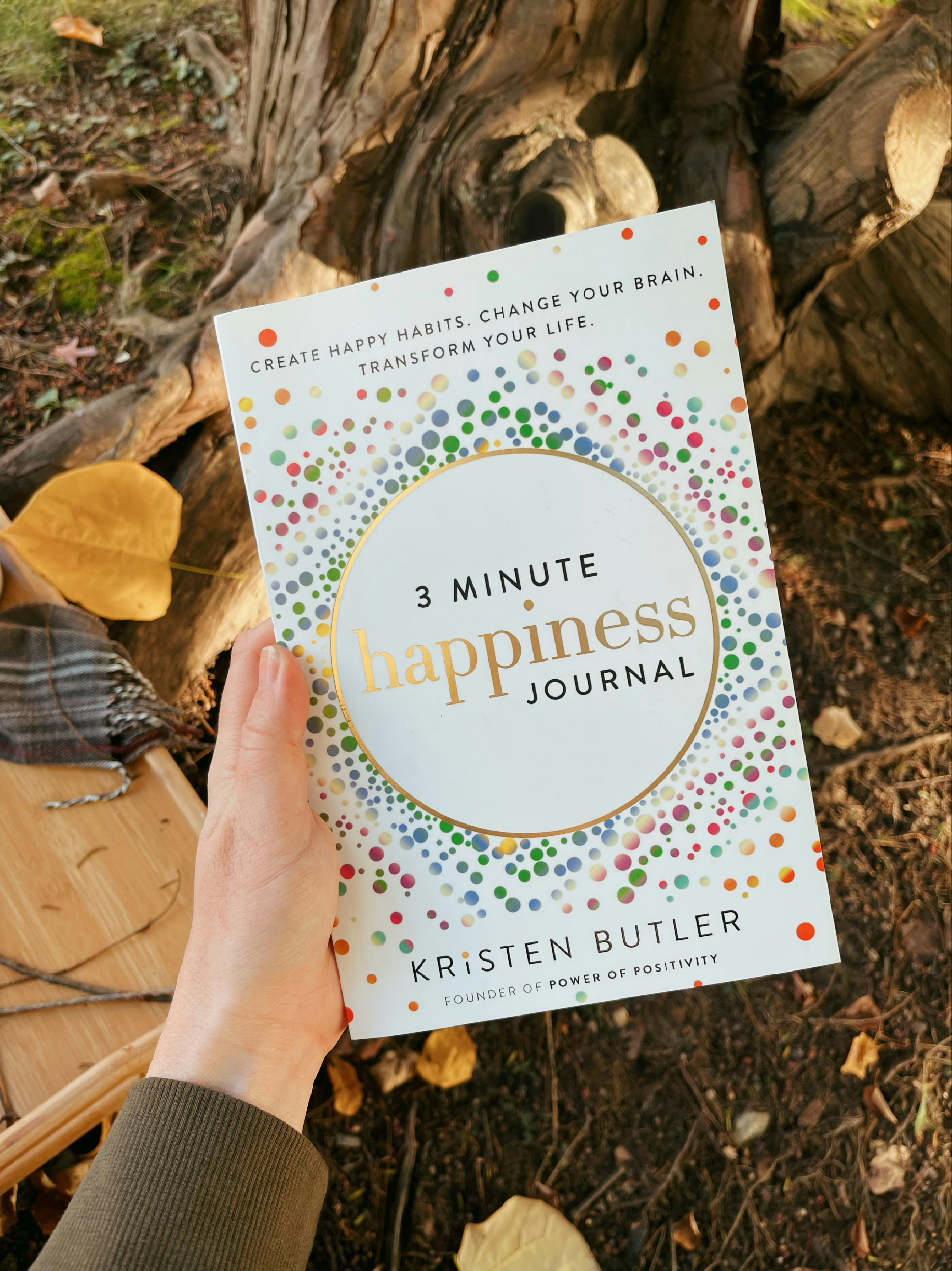
Another valuable technique is journaling, which complements mindfulness by providing a tangible outlet for self-reflection. When individuals journal, they articulate their thoughts and feelings, often revealing patterns and triggers that may not be immediately apparent. This practice helps in documenting progress and setting intentions, fostering a more profound connection with oneself. Moreover, the act of writing can serve as a therapeutic release, making it an essential tool for improving emotional well-being and personal development.
Implementing mindfulness practices such as meditation and journaling can encourage individuals to embrace their unique journeys. These techniques nurture a mindset of acceptance and patience, vital for personal evolution. Ultimately, the essence of mindfulness lies in recognizing that personal growth is an ongoing process, and integrating these strategies can significantly enhance the journey, irrespective of when one chooses to start.
Conclusion: Moving Forward with Grace and Patience
As we reflect on the idea of personal growth and development, it is essential to recognize that the journey is not a race, particularly in the early months of the year. The societal pressure to make significant changes each January can often lead to unrealistic expectations. Instead of succumbing to this rush for immediacy and perfection, it is vital to approach personal growth with grace and patience. Recognizing that our lives unfold in stages allows for a more balanced perspective on improvement.
Throughout this discussion, we have identified that personal growth is an ongoing process, one that evolves over time rather than in a defined period. January may symbolize new beginnings, but it should not be the exclusive time for setting aspirations. Embracing the journey means acknowledging the importance of incremental progress. Each step, however small, contributes to a larger narrative of self-improvement.
Furthermore, the focus should not solely be on external achievements but also on internal development. Emphasizing self-compassion as we navigate setbacks can transform our approach to life challenges. By understanding that growth does not follow a linear path, we can alleviate the anxiety associated with perceived failures.
Incorporating mindfulness into your daily routine can aid in this approach, allowing for reflection and a deeper connection to oneself. By fostering a supportive environment for personal exploration, individuals can embrace their imperfections and move forward with optimism. Remember, the journey of self-discovery is lifelong, and every moment can serve as a learning opportunity—embracing this can lead to profound transformations.