

Table of Contents
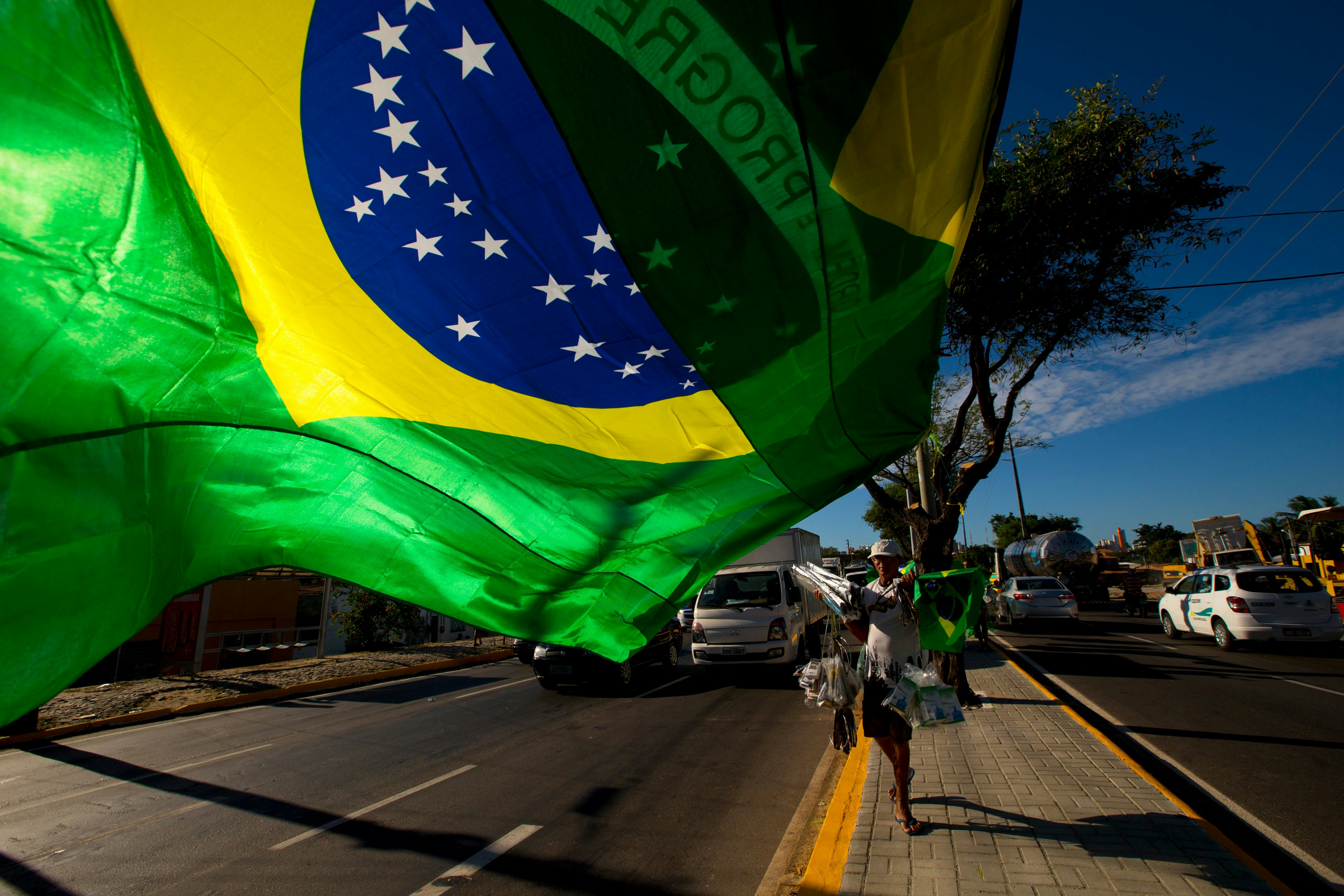
Introduction to Brazilian Culture
Brazil is renowned for its rich cultural diversity, shaped by its history, geography, and the amalgamation of various influences, including Indigenous, African, and European traditions. This vibrant tapestry contributes to a unique way of life that pervades every aspect of Brazilian society. The country’s vast territory encompasses numerous regions, each with distinct customs, dialects, and culinary specialties. Such diversity fosters a sense of community while inviting a celebration of differences, allowing for local identities to flourish within a broader national framework.
One of the defining characteristics of Brazilian culture is its environment. The warm, tropical climate is not just a backdrop; it plays a vital role in the lifestyle and attitude of its people. With an abundance of sunshine, residents often engage in outdoor activities that promote a relaxed and cheerful disposition. Social gatherings frequently take place in parks, at beaches, or during festivals, where laughter and camaraderie thrive in the fresh air. This open-air lifestyle encourages interactions that are both casual and engaging, further cultivating a culture of friendliness and smiles.
The communities across Brazil also contribute substantially to the nation’s overall atmosphere. From bustling urban centers like Rio de Janeiro and São Paulo to the serene landscapes of the Amazon and rural areas, the warmth of the people becomes evident. The significance of family, music, and dance is deeply ingrained in their societal norms, serving as foundations for social connections. Festivals such as Carnaval highlight the nation’s spirit, fostering an environment not only of joy and celebration but also one of unity. These communal experiences instill a sense of belonging and serve as catalysts for laughter and shared happiness throughout Brazil.
The Importance of Community and Family
In Brazil, community and family are at the heart of social life, profoundly influencing the emotional well-being of individuals. The Brazilian culture places a strong emphasis on relationships, where familial bonds often extend beyond the nuclear family to encompass a large network of relatives, friends, and neighbors. This wide-reaching social structure cultivates a sense of belonging and support that is pivotal for maintaining mental health.
People in Brazil tend to have close-knit relationships with their families, regularly participating in gatherings and celebrations. These interactions provide not only emotional support but also a system of shared responsibilities, allowing individuals to cope with life’s challenges more effectively. The presence of a strong family network often translates into a more relaxed attitude toward stress, as individuals can rely on their loved ones during difficult times.
Moreover, community ties play a vital role in creating safe and nurturing environments where people feel valued and accepted. In many Brazilian neighborhoods, communal activities such as samba gatherings or soccer matches foster a spirit of camaraderie, encouraging individuals to engage with one another. This engagement reduces isolation and promotes a balanced lifestyle, where joy and laughter are frequent reprieves from daily pressures.

By prioritizing connections with family and the surrounding community, Brazilians cultivate an atmosphere characterized by warmth, support, and shared happiness. The intertwining of individual and collective experiences contributes to the overall resiliency of the populace. Consequently, the cultural fabrics of community and family not only shape personal identities but also reinforce a societal approach that embraces a more laid-back lifestyle, minimizing stress and maximizing well-being.
Music and Dance: The Heartbeat of Brazil
In Brazil, music and dance serve as vital components of cultural expression, significantly influencing the way individuals experience daily life. The rhythmic forms of Brazilian music, such as Samba and Bossa Nova, resonate deeply within the hearts of its people, providing both joy and a sense of community. Samba, characterized by its lively beats and colorful performances, is more than just a dance; it is a celebration of life, often associated with the vibrant Carnival festival.
This exuberance allows individuals to momentarily escape the stresses of daily routines. By participating in dance, people forge connections with others, fostering communal bonds that enhance social support systems. These interactions can be cathartic, allowing individuals to express their emotions through movement and rhythm. Moreover, Samba’s infectious energy can uplift spirits, bringing smiles even in challenging times.
Similarly, Bossa Nova, with its smooth melodies and sophisticated rhythms, offers a more relaxed yet equally profound musical experience. Originating in the 1950s, Bossa Nova appeals to those seeking tranquility amidst a bustling environment. The music’s gentle nature encourages listeners to unwind, creating a comfortable atmosphere where stress can dissipate.
Overall, the interplay between music, dance, and Brazilian culture encapsulates a way of life that prioritizes enjoyment and well-being. The rhythmic expressions serve to reinforce community ties while also providing an essential outlet for personal expression. Through such artistic forms, Brazil showcases its ability to cultivate a more positive and less stressful environment for its people. The infectious joy derived from music and dance ultimately contributes to the resilience of the Brazilian spirit, allowing individuals to meet challenges with a smile.
Festivals: Embracing Joy and Celebration
Brazilian culture is renowned for its vibrant festivals and celebrations that embody the spirit of joy and communal engagement. Among these, Carnaval stands out as one of the most significant and extravagant events, drawing millions of participants and spectators from around the globe. This festival, characterized by parades, samba music, and elaborate costumes, serves as more than just an entertainment spectacle; it is a powerful expression of cultural identity and communal spirit.
Festivals like Carnaval play a crucial role in Brazilian society by fostering social interactions and a sense of belonging. They create a unique environment where individuals come together, regardless of socio-economic backgrounds, to participate in joyous celebrations. Such gatherings promote emotional well-being by encouraging laughter and connection among people, significantly reducing stress. The collective experience of dancing, singing, and celebrating fosters feelings of happiness and belonging, creating memories that last a lifetime.
Additionally, Brazilian festivals often involve local traditions, folklore, and community participation, which helps in preserving cultural heritage. These events highlight the importance of community bonds, as neighborhoods unite to prepare for the festivities, showcasing local talent and artisan crafts. The communal effort involved not only strengthens relationships within the community but also instills a sense of pride in shared cultural practices.
Moreover, the festive atmosphere is characterized by vibrancy and energy, marking a distinctive contrast to the everyday hustle and bustle of urban life. In these moments of celebration, participants can escape routine stressors, allowing for a liberating experience that emphasizes joy and connection. This cultural approach encourages Brazilians to embrace happiness as a fundamental aspect of life, further promoting mental health and well-being.
Food Culture: Sharing Meals and Traditions
The vibrant food culture of Brazil is a cornerstone of its social fabric, embodying an array of traditions that promote well-being and connection. In Brazilian society, sharing meals is not merely an act of nourishment but a cherished ritual that fosters deeper relationships among family and friends. This aspect of the culture significantly contributes to a sense of community, providing a platform for joyous interactions and the establishment of bonds that are essential for emotional health.
Gathering around a table laden with traditional dishes, such as feijoada—consisting of black beans and various meats—people engage in lively conversations and storytelling, creating an atmosphere filled with warmth and laughter. This communal experience not only elevates the flavors of the meal but also cultivates a spirit of camaraderie. Studies have shown that shared meals enhance psychological wellness, as individuals feel a sense of belonging and connection, which reduces stress.
The practice of sharing food is particularly evident during festivities, where large gatherings around sumptuous spreads become a hallmark of Brazilian celebrations. These events not only showcase the country’s diverse culinary heritage, influenced by indigenous, European, and African flavors, but they also reinforce familial ties and friendships. The act of cooking and preparing food together acts as a bonding activity, allowing participants to engage in meaningful interactions.
In addition to the joy derived from flavors and preparations, the act of sharing meals promotes a slower pace of life, which is a stark contrast to the fast-paced modernity prevailing in many parts of the world. This leisurely dining style sets the stage for relaxation, where individuals can unwind and appreciate the company of others, leading to a collective reduction of stress. Therefore, Brazilian food culture exemplifies how the simple act of sharing meals can result in profound emotional benefits, making room for more smiles in the everyday lives of its people.
Work-Life Balance in Brazil
The Brazilian approach to work-life balance is distinctly characterized by an emphasis on leisure and social interactions. In contrast to more rigid work cultures found in other parts of the world, Brazil encourages a lifestyle where personal and professional realms coexist harmoniously. This balance is not merely about dividing time between work and personal life; it encompasses a broader philosophy wherein relaxation and enjoyment are integral to productivity and well-being.
One of the most notable aspects of the Brazilian work culture is the acceptance and promotion of leisure activities. The year-round climate, featuring myriad outdoor festivities and vibrant cultural celebrations such as Carnival, fosters a sense of community and togetherness. Employers often acknowledge the importance of these events, allowing their employees the time to participate fully. This cultural norm contributes to lower stress levels and a more optimistic outlook towards work.
Moreover, the Brazilian emphasis on vacations is commendable. Many businesses close for extended periods during holidays, allowing employees to rejuvenate without the weariness that often accompanies shorter breaks. This practice is supported by the legal framework, which mandates vacation days, making it a societal expectation to take time off work for personal health and familial engagement. As a result, employees tend to return to work recharged, thus improving their productivity and job satisfaction overall.
In essence, the Brazilian focus on work-life balance is not just about managing time; it reflects a cultural understanding that happiness and productivity are intertwined. As such, both employees and employers recognize the value of enjoying life outside of work, leading to a lifestyle that embraces smiles and minimizes stress. The integration of leisure into daily routines fundamentally enriches the work experience, establishing a more fulfilling way of living and working.

Nature and Outdoor Living
Brazilian culture is significantly influenced by its stunning natural landscapes, which play a vital role in shaping the lifestyle and well-being of its inhabitants. The country is renowned for its diverse ecosystems, including the Amazon rainforest, sprawling savannahs, and picturesque beaches. This accessibility to nature encourages a way of living that emphasizes leisure, relaxation, and connection to the environment.
In Brazil, outdoor activities are intrinsic to daily life. Citizens often engage in social gatherings on vibrant beaches, where communal activities like volleyball, surfing, or simply sunbathing foster a sense of community and joy. Such interactions not only enhance physical health but also contribute to mental well-being. Studies have shown that spending time in nature reduces stress levels and promotes a more positive outlook on life. Thus, the availability of Brazil’s beautiful landscapes serves as a catalyst for both happiness and health.
Furthermore, outdoor living is ingrained in the local culture. Many Brazilians appreciate activities such as hiking, exploring waterfalls, or partaking in outdoor festivals. This admiration for the natural world influences daily routines, encouraging individuals to prioritize time spent in nature over indoor pursuits. Consequently, this encourages a lifestyle that is slower-paced and more mindful. With urbanization often leading to increased stress, Brazil’s commitment to preserving its natural spaces helps create an environment where people can unwind and reconnect with themselves.
The interplay between Brazil’s rich natural environment and its culture promotes a harmonious approach to living that is evident in the cheerful demeanor of its people. As they bask in the sun-drenched beaches or venture through lush forests, Brazilians find balance and tranquility, fueling a collective spirit of positivity and resilience amidst daily challenges.
Mental Health and Positive Attitudes
The Brazilian culture is deeply ingrained with a positive attitude that significantly influences mental health. This sociocultural framework promotes resilience and a unique coping strategy in the face of challenges. Commonly referred to as “jeitinho,” which translates to a resourceful way of problem-solving, this approach enables Brazilians to maintain a positive outlook even when confronting stressful or adverse situations. The emphasis on finding creative solutions rather than succumbing to stress fosters mental well-being.
In Brazil, open discussions about mental health are increasingly embraced, and there is a growing recognition of the importance of psychological well-being. People often share their experiences and coping strategies within their communities, which helps diminish the stigma traditionally associated with mental health issues. This societal openness facilitates a supportive network wherein individuals feel comfortable seeking help or offering it, thus enhancing collective mental resilience.
Moreover, happiness and humor play crucial roles in this cultural landscape. Brazilians often prioritize relationships with family and friends, engaging in social activities that cultivate joy and laughter. This social engagement serves as a protective factor against stress, creating a buffer that fosters emotional wellness. Whether through music, dance, or festive gatherings, the communal experiences contribute to overall satisfaction and a positive mindset.
Additionally, the incorporation of leisure and relaxation into daily life is vital. Many Brazilians prioritize time spent outdoors, participating in sports or enjoying nature, which serves as a natural antidote to stress. These activities not only enhance physical health but also improve mental health by promoting a happier, more relaxed lifestyle.
Conclusion: Lessons from Brazil
Throughout the exploration of Brazil’s vibrant culture, several key themes emerge that illustrate how this South American nation fosters an environment rich in joy and low in stress. One of the primary aspects is the importance of community and social connections. Brazilian culture places a high value on relationships, evidenced by family gatherings and festive celebrations, such as Carnival. These social practices encourage individuals to engage with one another, enhancing feelings of belonging and reducing feelings of isolation.
Moreover, the Brazilian approach to leisure, aptly termed “jeitinho,” reflects a cultural inclination toward improvisation and flexibility. This attitude emphasizes finding enjoyment in the moment and encourages people to approach challenges with creativity rather than stress. By adopting a more adaptable mindset in our own lives—whether through embracing spontaneity or finding alternative solutions—we can reduce pressures and promote a lighter atmosphere.
Furthermore, Brazil’s rich tradition of music and dance serves as a powerful outlet for expression and stress relief. Activities such as samba, bossa nova, and capoeira create a collective joy that invites participation and celebration. Incorporating similar activities into our own routines, such as engaging in dance or music, offers a pathway to enhance mental well-being and cultivate happiness.
Ultimately, by embracing key aspects of Brazilian culture—including community bonds, a flexible approach to challenges, and an appreciation for the arts—we may find inspiration to incorporate more smiles and resilience into our daily lives. The lessons from Brazil remind us of the potential to reshape our environments, fostering an atmosphere that prioritizes happiness and well-being over stress. By making intentional changes that reflect these values, we can create a culture of positivity that benefits not only ourselves but also those around us.