Table of Contents
Introduction to Brazilian Celebrations
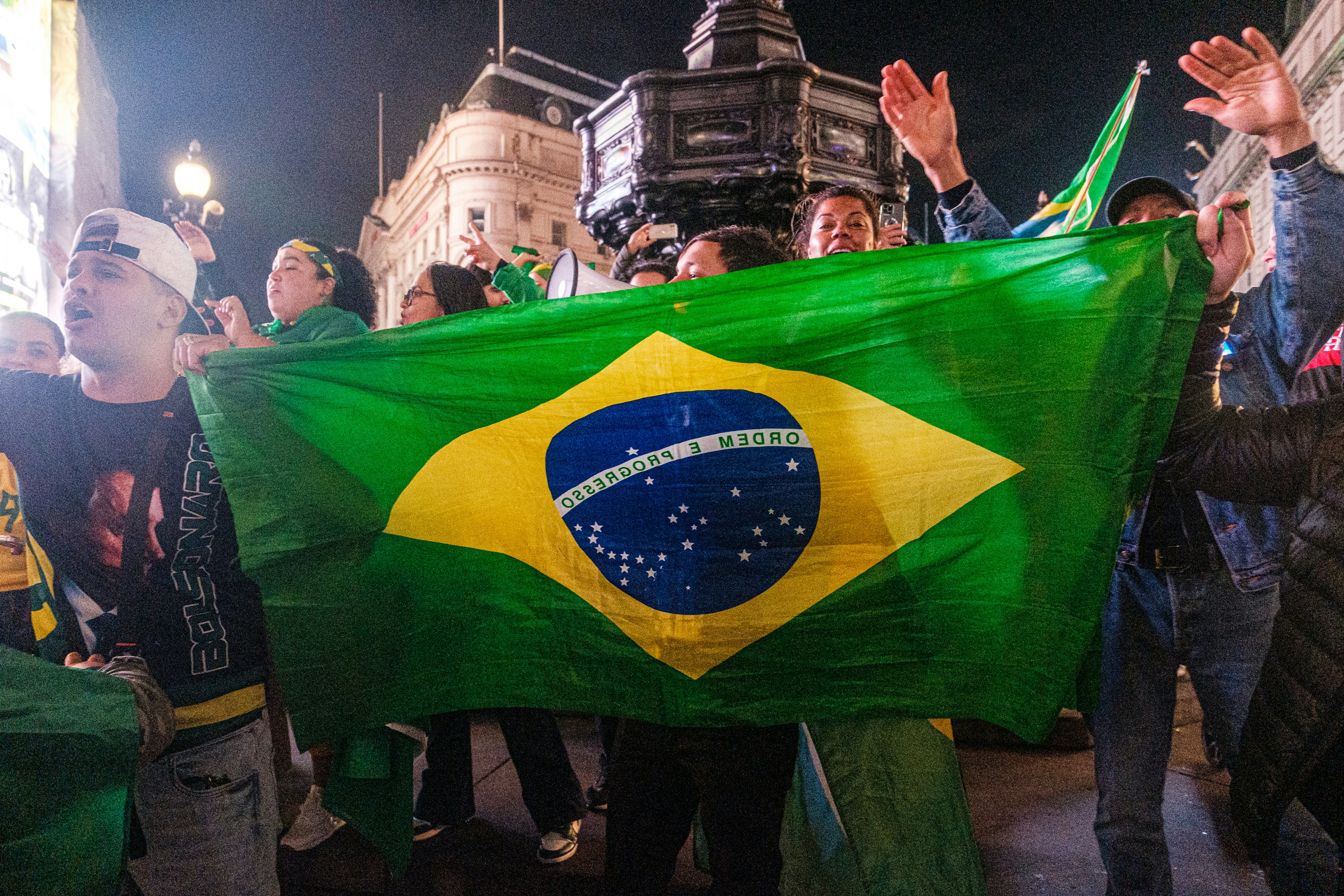
Brazilian celebrations are renowned for their vibrancy and cultural richness, reflecting the country’s diverse heritage. They encompass a wide range of events, from grand national festivals like Carnival to smaller, intimate gatherings that highlight local traditions. The kaleidoscope of Brazilian festivities showcases the interplay of indigenous, African, and European influences, resulting in a unique and dynamic cultural tapestry.
Carnival, perhaps the most famous of all Brazilian celebrations, is a spectacular manifestation of joy, music, and dance. Taking place annually before Lent, it features exuberant parades, elaborate costumes, and samba music that captivate millions. However, the allure of Brazilian celebrations goes beyond this iconic event. Throughout the year, many regions host local festivals that celebrate everything from religious observances to traditional gastronomy, arts, and crafts.
In addition to major events like Carnival, smaller, localized celebrations foster community spirit and strengthen social bonds. Such gatherings often highlight regional identity and cultural pride, ensuring that the legacies of ancestral customs remain alive. Festivals like Festa Junina, which celebrates the harvest with folk dancing and traditional foods, or local religious processions are perfect examples of how communities come together, sharing joy and heritage.
Each celebration in Brazil is marked by its own unique characteristics, yet all exhibit a common theme of joy and togetherness. The music, dance, and gastronomy associated with these events create an atmosphere of vivacity, inviting participation from both locals and visitors alike. This blend of cultural expression and communal spirit contributes to the feeling of liveliness that is so quintessentially Brazilian, making these celebrations a true reflection of national identity.
Cultural Heritage and Influences
Brazil is a vast mosaic of cultures, where the interplay of Indigenous, African, and European influences has created a unique tapestry that is vividly expressed in its celebrations. This cultural heritage is deeply rooted in the country’s history; Indigenous peoples were the first to inhabit Brazil, contributing their spiritual beliefs, rituals, and traditions. Their connection to nature and community continues to inform many of the country’s festive expressions, emphasizing harmony with the environment and collective participation.
Furthermore, the African influence, brought by enslaved individuals during the colonial period, is another pillar of Brazil’s vibrant cultural identity. African traditions have been seamlessly integrated into Brazilian culture, particularly in music, dance, and religious practices. Celebrations such as Candomblé and the Festa de Iemanjá not only highlight African deities but also serve as a reminder of resilience and community strength. This synthesis is palpable in events where rhythm and dance express a shared history and emotions, bonding celebrants and spectators alike.
European colonization introduced additional layers to Brazilian culture, with Portuguese influences evident in language, cuisine, and religious practices. Festivities such as Carnaval display this blend, where samba music, often associated with African heritage, is performed alongside traditional Portuguese folk dances. The result is a celebration that showcases Brazil’s ability to blend diverse influences into a coherent cultural expression.
The importance of maintaining these traditions is crucial as they foster a sense of community and identity. Each celebration, whether grand or modest, acts as a conduit for storytelling, connecting generations and reinforcing cultural values. The vibrancy of Brazilian celebrations, thus, is not merely about entertainment, but a profound expression of its rich cultural heritage.
The Spirit of Joy and Community
The vibrancy and vitality of Brazilian celebrations can be largely attributed to their deep-rooted spirit of joy and community. Across the diverse regions of Brazil, whether in the heart of Rio de Janeiro during Carnival or in a small neighborhood gathering, the essence of these events is the same: they bring people together in a shared experience of happiness and connection. This communal aspect is not merely incidental; it is foundational to the very nature of Brazilian culture, where celebrations, both grand and modest, serve as vital expressions of social unity.
At the core of these festivities lies a commitment to fostering friendships and creating bonds that transcend daily life. For many, participating in celebrations, regardless of size, offers an opportunity to connect with family and friends, as well as to meet new people. These interactions bolster social networks and promote a sense of belonging. Neighborhoods often rally together during local events, showcasing collective efforts in planning and execution, further strengthening their communal ties. The sharing of traditional foods, songs, and dances signifies an embracing of heritage, and this communal sharing enhances the joyful atmosphere.
Moreover, even small celebrations, such as birthday parties, religious festivals, or local fairs, encapsulate the same joyful spirit found in larger events. The simple act of gathering, regardless of extravagance, embodies the Brazilian ethos of cherishing relationships and valuing communal involvement. Children, elders, and all ages in between converge harmoniously, celebrating not just the occasion at hand but also the very act of coming together. This sense of unity is palpable, heightening the overall experience and ensuring that joy permeates even the simplest of celebrations.
Music and Dance: The Heartbeat of Celebrations
In Brazil, music and dance are indispensable elements that breathe life into every celebration, small or grand. These art forms are not merely entertainment; they capture the essence of Brazilian culture, ethos, and community spirit. Popular music genres such as samba, forró, and axé serve not only as a source of joy but also as catalysts for unity, allowing individuals to connect with one another on a profound level. When the rhythms resonate through the air, people are naturally drawn to partake in the jubilant atmosphere lent by evocative melodies and lively beats.
Samba, deeply intertwined with Brazilian identity, is perhaps the most recognized genre associated with the country’s festivities. Its origins date back to African rhythms and customs, making it a symbol of resistance and resilience. During Carnival, samba schools showcase grand parades filled with elaborate costumes and synchronized dance performances, emphasizing community collaboration. The infectious nature of samba encourages spontaneous participation, ultimately fostering a feeling of togetherness among revelers, regardless of their background.
Forró, a lively dance and music form hailing from the northeast of Brazil, further illustrates the country’s cultural diversity. Characterized by its upbeat accordion melodies and quick-paced footwork, forró invites everyone to join in, promoting inclusivity during seasonal festivals. The traditional dance encourages social interaction through its partner-based format, allowing strangers to connect through rhythmic movement.
Similarly, axé music, which originated in Bahia, plays a crucial role in energizing street parties and celebrations with its vibrant beats and catchy lyrics. The genre embodies the spirit of Brazil’s coastal culture, celebrating life and community through dance. The invitation to move, smile, and enjoy the moment reflects the collective joy that permeates Brazilian festivities.
Overall, music and dance are the heartbeat of celebrations in Brazil, offering a means of expression, connection, and a deep sense of belonging. As these art forms continue to evolve, they remain foundational to the understanding and experience of Brazilian jubilations.
Vibrant Visuals and Decorations
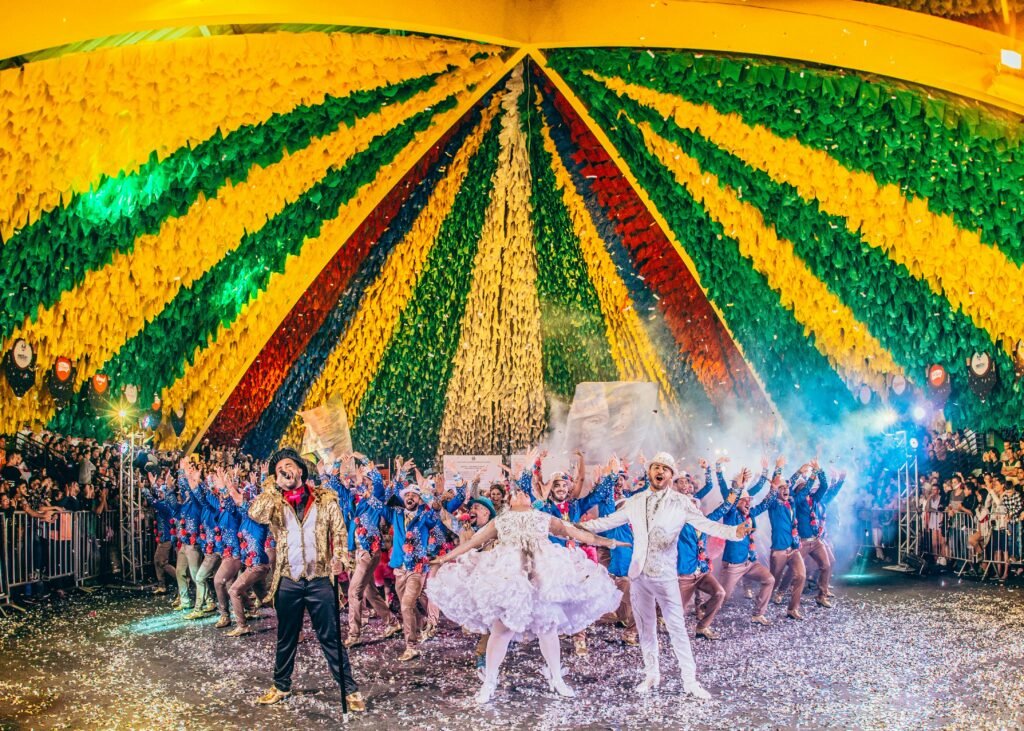
Brazilian celebrations are renowned for their vibrant visuals and decorations, which play a crucial role in fostering an atmosphere of exuberance and festivity. From the explosive colors of Carnival to the intricate designs found in various regional festivals, these visual elements work together to create an immersive experience that captivates the senses. The use of bright, bold colors is a hallmark of Brazilian culture, symbolizing joy, energy, and celebration. The extensive spectrum of hues often seen in traditional costumes and decorations generates a sense of vibrancy that is almost palpable. Each color conveys specific meanings and emotions, enhancing the celebratory spirit.
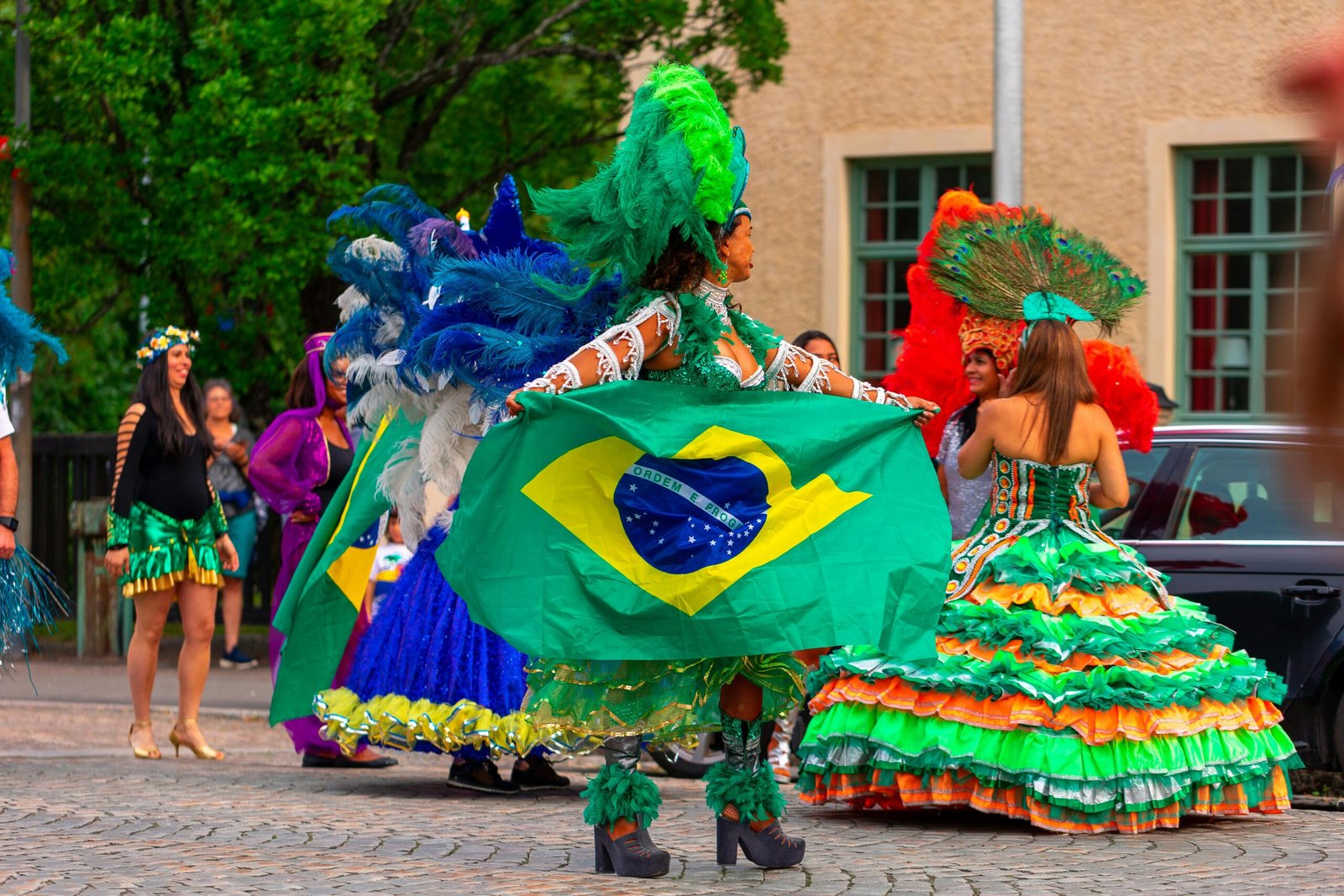
Costumes are a vital aspect of these events, often designed with elaborate detailing and creativity. During Carnival, for instance, samba dancers don extravagant outfits adorned with sequins, feathers, and beads, creating a striking visual spectacle. These costumes not only showcase the artistry of the designers but also embody the cultural heritage of Brazil. The juxtaposition of colorful outfits against the backdrop of bustling streets and lively music transforms the environment into a dazzling tapestry that reflects the country’s rich diversity.
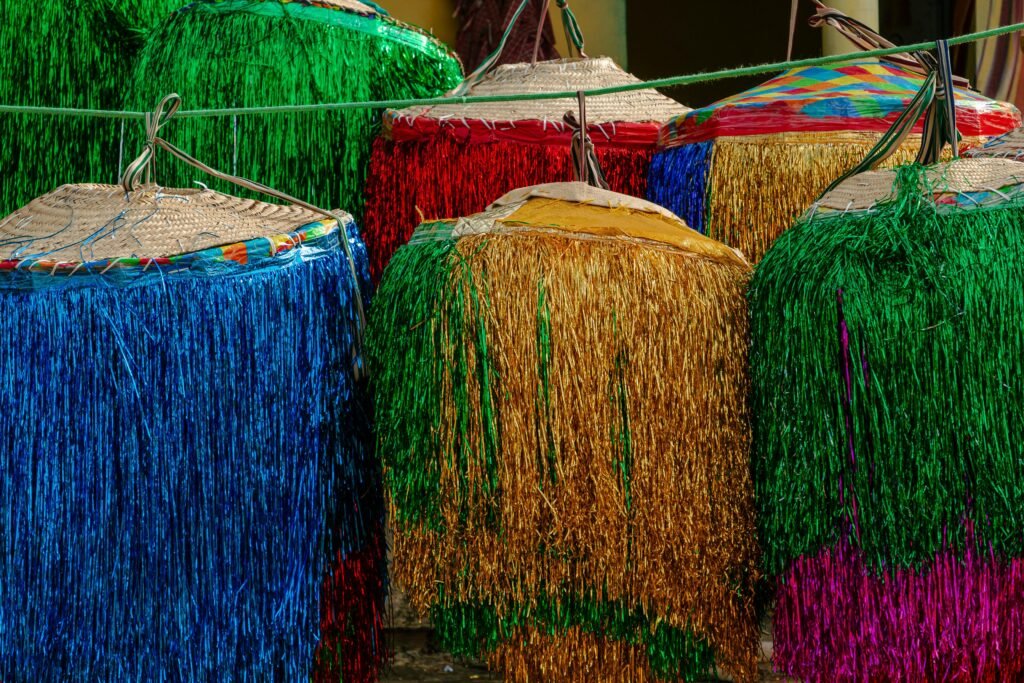
In addition to costumes, decorations also contribute significantly to the overall atmosphere of Brazilian celebrations. Street vendors and local communities often come together to adorn public spaces with garlands, banners, and other artistic displays. The patterns and symbols used in these decorations often represent local traditions and historical elements, providing participants with a deepened sense of connection to their roots. This dazzling array of visuals enhances the festive mood, encouraging people to join in the celebrations and fully immerse themselves in the joyful experience.
Food and Drink: A Culinary Celebration
Food and drink play a vital role in Brazilian celebrations, serving as the heartbeat that brings people together. The diverse culinary landscape of Brazil, influenced by Indigenous, African, and European flavors, manifests in a multitude of traditional dishes, each steeped in history and culture. During festive occasions, these dishes not only nourish but also create a vibrant atmosphere where communal spirit thrives.
At the core of many celebrations is feijoada, a black bean stew typically cooked with various cuts of pork, complemented by rice, orange, and collard greens. This hearty dish exemplifies Brazilian hospitality, often enjoyed in large gatherings where friends and family come together to share not just food but memories and experiences. The sharing of meals, be it at a lavish festival or a small family gathering, emphasizes the importance of connection in Brazilian culture.
Another signature aspect of Brazilian festivities is the array of beverages that accompany meals. From caipirinhas, a traditional cocktail made from cachaça, lime, and sugar, to refreshing coconut water, drinks enhance the celebratory mood. These beverages are often served during significant holidays, such as Carnival and Festa Junina, creating an atmosphere of jubilation and enjoyment.
Street food also thrives during Brazilian celebrations, with vendors offering an assortment of snacks such as pão de queijo (cheese bread) and coxinhas (chicken croquettes). These bite-sized delicacies not only cater to the festive spirit but also encourage social interactions and exploration of flavors among attendees. The communal aspect of sharing food and drink nurtures bonds between individuals, making each celebration a memorable experience.
In conclusion, the role food and drink play during Brazilian celebrations is multifaceted. They not only highlight the country’s rich culinary traditions but also foster connections among participants, making every gathering feel alive, heartfelt, and impactful.
Inclusivity in Brazilian Festivities
Brazilian celebrations are renowned for their vibrant atmosphere, a hallmark that can largely be attributed to their inherent inclusivity. These festivities are designed to cater to individuals from diverse age groups, races, and social classes, ensuring that everyone feels welcome and valued. This widespread participation from different segments of society establishes a shared cultural identity that resonates deeply with the very essence of Brazilian life.
At the core of many Brazilian celebrations, such as Carnival and Festa Junina, is a sense of community that encourages engagement from all. Children partake in lively activities, while older generations share their wisdom and traditions. This cross-generational interaction fosters a sense of continuity and belonging, as stories and experiences are passed down through various celebrations. Such gatherings become a melting pot of cultures where different backgrounds can converge, allowing for the celebration of variety within unity.
Moreover, Brazilian festivities often emphasize the acceptance of diverse cultural influences. The rich history of Brazil, marked by its indigenous heritage, African roots, and European migration, is expressed through music, dance, and cuisine during these events. This blend further enhances the inclusiveness of celebrations, inviting participation from individuals of all backgrounds. From samba to forró, the music that fills the air during these occasions serves as a bridge, uniting people under the common joy of rhythm and movement.
The encouragement of inclusivity in Brazilian celebrations not only contributes to the immediate joyous atmosphere but also fosters a broader societal acceptance. As diverse groups come together in celebration, they help cultivate understanding and mutual respect. This embodies the spirit of Brazilian culture, where everyone can participate in, and contribute to, the collective vitality that defines such festive occasions.
Personal Stories and Experiences
Brazilian celebrations are a tapestry woven with vivid threads of individual experiences and shared memories. Each event, whether grand or intimate, carries a unique story, resonating with those who participate in it. To fully grasp the emotional connection to these celebrations, one might reflect on their own encounters with them.
For many, the joy of Carnival can be a defining moment. Imagine growing up in a neighborhood where the anticipation builds as parades approach, with children practicing samba rhythms in the streets. In recounting such experiences, one also appreciates the way family and friends mobilize to prepare for the festivities; the excitement shared is palpable and lingers long after the music has stopped. Individuals often share nostalgic tales of dancing under the stars, united by the heartbeat of drums and the exhilaration of a collective spirit.
However, smaller gatherings also contribute significantly to the lively essence of Brazilian culture. Consider a personal story about a family gathering centered around a holiday meal. The warmth of festive dishes being prepared, the laughter echoing within the home, and the storytelling that binds generations together all showcase how even the most mundane events can resonate deeply within the fabric of one’s life. These cherished moments remind us that vibrancy is not reserved for large events; it can flourish in quiet corners of our lives where connection is nurtured.
By sharing and listening to personal anecdotes surrounding Brazilian celebrations, we begin to see the profound emotional ties people have to these festivities. These stories illuminate the vibrant pulse of the celebrations, reaffirming that whether large or small, each event holds a unique place in the heart, enriching our understanding of community and culture.
Conclusion: The Lifeblood of Brazilian Culture
Brazilian celebrations, irrespective of scale, encapsulate the exuberance and vibrancy that defines Brazilian culture. Throughout this exploration, it has become evident that the essence of these festivities is rooted in the shared experiences and collective joy of the people. Even the smallest gatherings resonate with a palpable energy that reflects Brazil’s rich tapestry of traditions, emotions, and resilience.
The cultural significance of these celebrations extends far beyond mere festivities; they are profound expressions of identity and community. Whether it is a grand samba parade or a subdued family gathering, each event carries with it a history and a narrative that connects individuals to their heritage and each other. This reinforces the notion that celebrating life, in all its forms, is a fundamental aspect of Brazilian society.
Moreover, the active participation of citizens in these celebrations showcases the spirit of unity and collaboration. In the face of adversity, Brazilians have consistently used celebrations as a means to foster togetherness and alleviate the challenges of daily life. This sense of community is a cornerstone of the Brazilian way of life, demonstrating that joy can exist even amidst hardships.
As we reflect on the various components that make Brazilian celebrations so rich and alive, it encourages us to recognize the importance of incorporating such vibrancy into our own lives. Whether through small personal celebrations or grand communal events, embracing the spirit of festivity can enhance our own experiences and foster connections with others. In essence, the lifeblood of Brazilian culture flows through its celebrations, inviting all to partake in this joyous journey of life.