Table of Contents
The Vibrancy of Brazilian Art
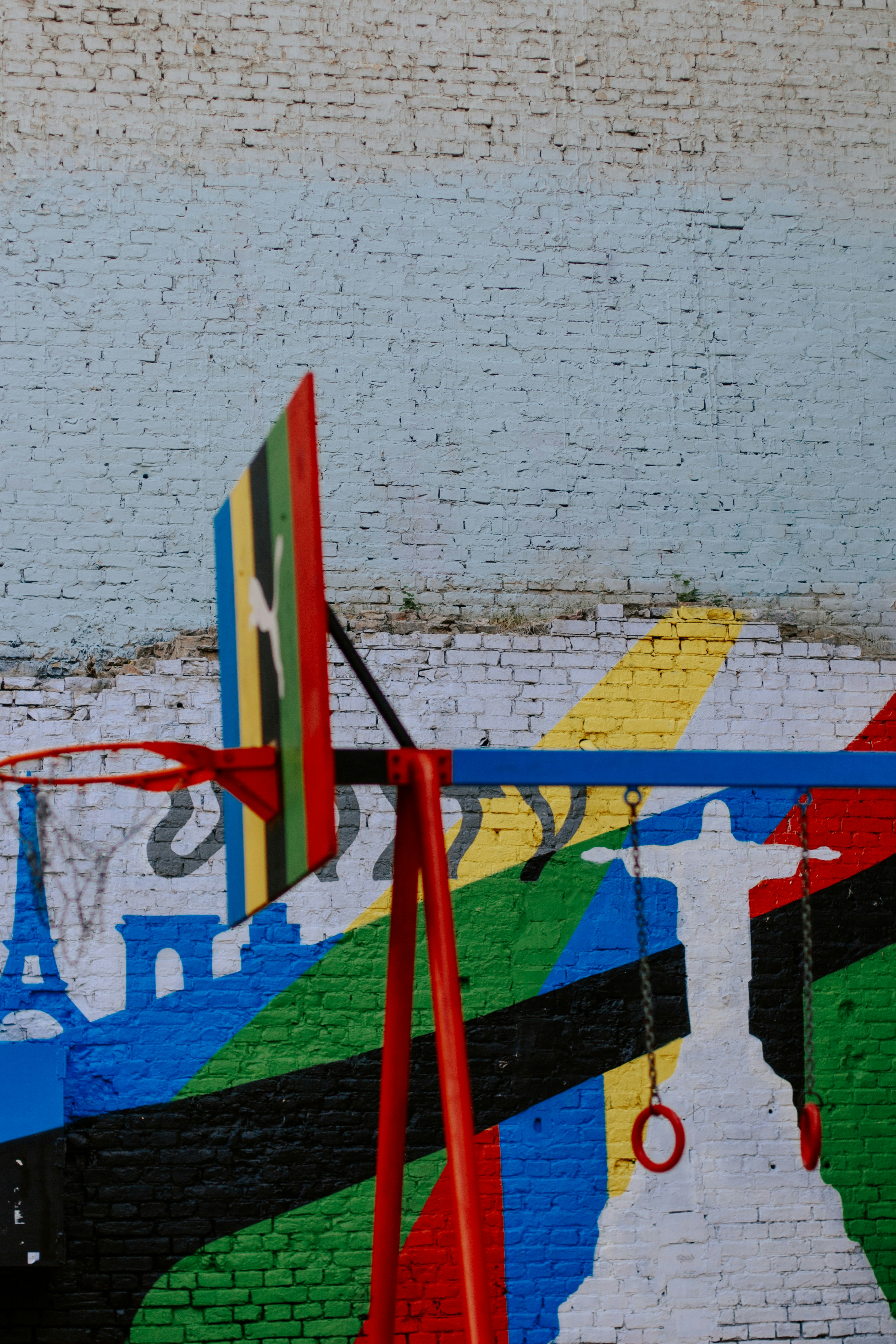
Brazil’s art scene stands out for its extraordinary playfulness and lively expressions. This distinct characteristic can be attributed to the nation’s rich cultural diversity, which is a product of Indigenous, African, and European influences. Each of these cultures has contributed unique perspectives, styles, and philosophies, intertwining to create an art scene that is not only visually engaging but also deeply reflective of Brazil’s multifaceted identity.
The historical context of Brazil further enriches its artistic landscape. From colonial times through the era of modernism and into contemporary practices, movements in Brazilian art often mirror societal changes and the quest for identity. This evolution has promoted an art scene where experimentation and innovation thrive. Artists frequently engage with playful themes, allowing them to challenge traditional norms and engage wider audiences. For instance, the vibrant colors and dynamic forms in Brazil’s visual art reflect the lively atmosphere of Brazilian culture, often celebrated through festivals and communal events.
Moreover, social structures in Brazil play a critical role in shaping artistic expression. The accessibility of art forms and their integration into everyday life help foster a more participatory environment. Art is not confined to elite galleries; it spills into streets, public spaces, and community centers, inviting every individual to engage with it. This inclusivity contributes to the sense of playfulness that characterizes much of Brazilian art and its ability to resonate with diverse communities. Thus, the whimsical nature of the art scene is both a celebration of Brazil’s rich heritage and an ongoing dialogue with contemporary social matters.
Cultural Influences: A Melting Pot of Traditions
Brazil’s art scene is fundamentally shaped by a rich tapestry of cultural influences that stems from its Indigenous, African, and Portuguese heritage, among others. This blend of traditions has crafted a unique creative landscape that is characterized by vibrancy and playfulness, making it an intriguing subject for art enthusiasts.
Indigenous art forms have laid the groundwork for many contemporary expressions in Brazil. These forms often incorporate natural elements, vibrant colors, and intricate patterns, which resonate deeply within the Brazilian ethos. Shared stories and spiritual connections to the land, passed down generations, provide artists with a strong foundation that remains significant in today’s art world.
Additionally, African influences play a crucial role in shaping Brazilian art. The legacies of the African diaspora have introduced diverse materials, techniques, and themes, enriching the overall artistic output. This influence is particularly visible in the music, dance, and visual arts of Brazil, where African rhythms and visual motifs often blend harmoniously with Indigenous and European elements, fostering a dynamic and multifaceted artistic dialogue.
Furthermore, the Portuguese colonization introduced European aesthetics and artistic frameworks, which were reinterpreted through local lenses. This resulted in a hybrid art form that reflects not only the colonial history but also the resistance and resilience of the Brazilian people. Celebrated artists such as Tarsila do Amaral and Heitor Villa-Lobos synthesized these cultural components, illustrating the country’s playful spirit and the celebration of life through their work.
In essence, the confluence of Indigenous, African, and Portuguese elements has crafted a dynamic and playful art scene in Brazil. This artistic melting pot ensures a vibrant ongoing evolution, where artists continue to explore and innovate while honoring their diverse heritage.
The Role of Festivals and Celebrations
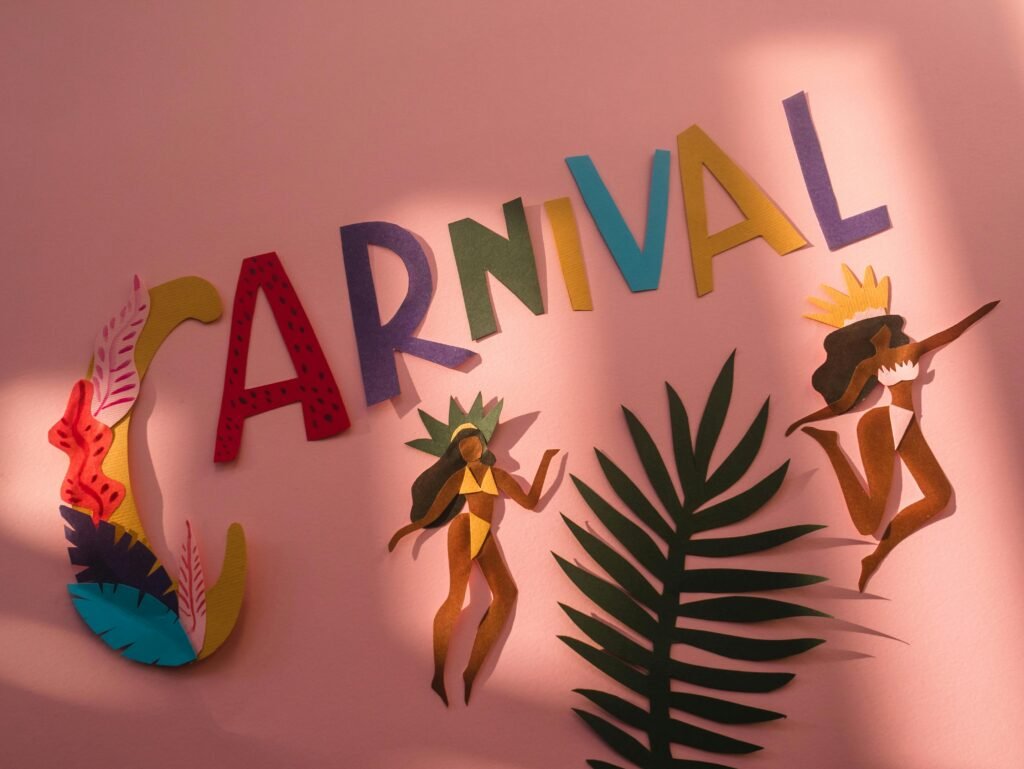
Brazil’s cultural landscape is heavily shaped by its vibrant festivals and celebrations, which infuse a dynamic energy into the nation’s art scene. Events like Carnival and Festa Junina exemplify how art, music, and dance intertwine, creating an atmosphere where creativity flourishes. During Carnival, for instance, the streets become a canvas for various artistic expressions, with visually stunning parades featuring elaborate floats, vibrant costumes, and energetic samba performances that resonate deeply with the national spirit.
Festa Junina, celebrated in June, showcases traditional music, dance, and food that reflect Brazil’s rural roots. The festival includes folk art such as quadrilha dances, where participants dress in traditional attire, and the decorations often feature colorful designs that bring local artisan crafts to the forefront. These festivals not only attract millions of participants but also serve as a stage for emerging and established artists, allowing them to showcase their work and reach wider audiences.
Such celebrations provide artists with inspiration, encouraging them to explore and incorporate various cultural elements into their work. The interplay of various cultural expressions results in a lively artistic dialogue, fostering innovation within Brazilian art. The inclusive nature of these festivities also invites collaboration among artists from different backgrounds, enriching the overall art scene and promoting a sense of community. Ultimately, the persistent vibrancy of Brazil’s festivals reinforces the notion that art is not merely a solitary pursuit but a communal celebration of life itself.
Street Art: Urban Creativity and Community Voices
In recent years, street art has experienced a remarkable surge in popularity across Brazil, particularly in urban metropolises such as São Paulo and Rio de Janeiro. This vibrant form of artistic expression leverages public spaces, transforming urban canvases into dynamic displays of creativity, and is a vital reflection of the socio-political landscape that characterizes Brazilian society.
Street artists utilize walls, sidewalks, and other public infrastructures to convey powerful messages, address pressing social issues, and share personal narratives that resonate with local communities. The art in Brazil’s streets often addresses themes of inequality, political unrest, and cultural identity, utilizing visual storytelling to foster dialogue among citizens. Notably, these public artworks challenge traditional norms of art consumption by inviting engagement from all layers of society, thus democratizing the art experience.
Moreover, the playful and bold nature of Brazilian street art has created a unique environment where artists experiment with various styles and techniques. From large-scale murals to intricate stencils, these artworks often incorporate elements of humor and whimsy, mirroring the lively spirit of Brazilian culture. Artists such as the renowned Os Gêmeos and street art collectives like MuDa have gained international recognition for their distinct approaches, blending local identities with global art trends.
Furthermore, street art in Brazil acts as a platform for marginalized voices, fostering community engagement and empowerment. Many artists collaborate with local residents to create murals that depict shared histories and aspirations, thereby strengthening community bonds. This collective creativity not only embellishes urban landscapes but also reinforces the idea that art can serve as a catalyst for social change, bridging gaps between diverse communities and encouraging active participation.
Contemporary Artists: New Voices and Innovations
Brazil’s contemporary art scene is marked by a plethora of innovative artists who are reshaping the boundaries of artistic expression. Among these innovators is the acclaimed artist Vik Muniz, known for his unique approach to photography using unconventional materials. Muniz’s work often involves creating images from items such as chocolate syrup, dust, and even diamonds, transforming everyday materials into extraordinary art. His ability to juxtapose high art with elements of popular culture signifies the vibrancy and diversity within Brazilian contemporary art.
Another prominent figure is Beatriz Milhazes, whose vibrant and color-rich compositions are a celebration of Brazilian culture and aesthetics. Milhazes draws inspiration from the visual language of Brazilian folk art as well as the rhythms of carioca life. Her paintings, characterized by layered geometric shapes and bold colors, capture the essence of Brazil’s dynamic environment while engaging with themes of identity and cultural heritage.
Additionally, the work of artist Adriana Varejão stands out for its exploration of colonial history and the implications of cultural exchange. Varejão’s installations and paintings often incorporate elements that reflect the contrast between indigenous and colonial influences, prompting conversations about the intricacies of Brazil’s artistic lineage. By weaving personal narratives with broader cultural themes, these contemporary artists are pushing the envelope of what art can represent in today’s society.
Their diverse styles and innovative techniques highlight a significant shift within the art community, echoing the playful and alive spirit of modern Brazil. This new generation of artists not only reflects the complexities of Brazilian identity but also challenges viewers to engage more deeply with the world around them. As they continue to explore new artistic territories, the impact of these voices will undoubtedly resonate in the ongoing evolution of Brazilian art.
Traditional Crafts: The Art of Playfulness in Craftsmanship
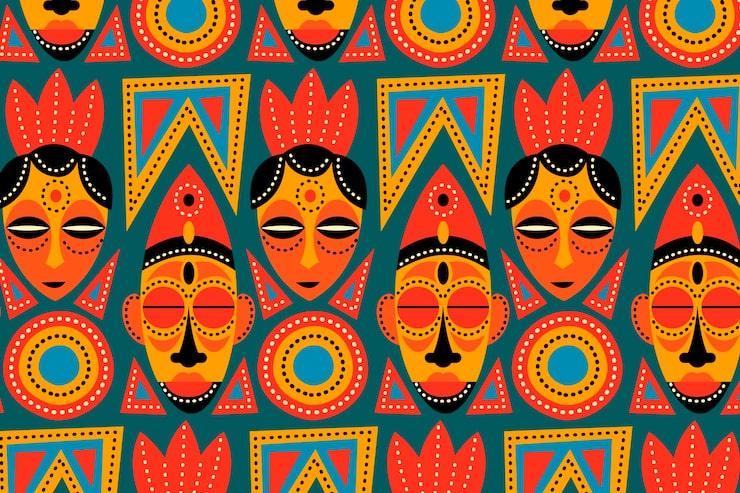
Brazil’s rich cultural heritage is vividly showcased through its traditional crafts, which play a crucial role in the nation’s artistic expression. These crafts, deeply embedded in the history and identity of various regions, reflect the vibrant spirit and creativity of Brazilian artisans who use local materials to create unique, colorful, and functional items. This blend of utility and artistry not only makes each piece special but also highlights the importance of craftsmanship in Brazilian culture.
Artisans across Brazil skillfully utilize a plethora of natural resources, such as wood, clay, fibers, and metals, to fashion their creations. For instance, the famous ceramists of Minas Gerais mold clay into intricate forms, incorporating bold colors and playful designs that resonate with both traditional and contemporary aesthetics. In coastal regions, the use of fishnet and shells in making decorative items exemplifies the connection to local environments, emphasizing sustainability and resourcefulness.
The playful nature of these crafts is not merely coincidental; it reflects the joyful aspects of Brazilian life. In festivals, celebrations, and everyday pursuits, these colorful creations symbolize the community’s spirit and cultural narratives. Whether it’s a handwoven basket, a vibrant tapestry, or a decorative sculpture, each item carries a story, embodying the values and traditions passed down through generations.
The evolution of traditional crafts in Brazil also showcases how contemporary artisans creatively infuse modern elements into age-old techniques. This blend results in innovative designs that appeal to both local and international audiences. By maintaining the authentic craftsmanship while embracing new ideas, artisans keep the craft alive and thriving, ensuring that it remains a significant aspect of Brazil’s dynamic art scene.
Art as a Reflection of Society: Playful Critique
Brazilian art is often characterized by its vibrant aesthetics and dynamic expressions, serving as a compelling reflection of the society from which it originates. Artists frequently use humor and a playful approach as a means to critique and engage with complex social issues. This lively juxtaposition not only captivates viewers but also invites them to reflect critically on the socio-political landscape of Brazil.
From traditional folk art to contemporary installations, Brazilian artists employ a myriad of techniques to tackle topics such as inequality, corruption, and cultural identity. For example, artists like Vik Muniz transform everyday materials into inventive works that expose deeper societal problems while simultaneously utilizing wit to facilitate discussion. His projects, which often involve working with marginalized communities, blend artistic expression with social commentary, illustrating how playfulness can imbue serious dialogues with a sense of accessibility.
This infusion of humor undermines the weightiness of the issues addressed, allowing for a more engaging exploration of difficult subjects. Street art, especially, has emerged as a prominent medium in Brazil, where artists utilize public spaces to convey their messages boldly. Muralists like Eduardo Kobra and Os Gêmeos play with color and form to create murals that are visually captivating while simultaneously calling attention to pressing social injustices. This approach not only democratizes art but also fosters community conversations, inviting viewers to interact with their surroundings in a meaningful way.
As Brazilian art continues to evolve, its ability to provide a playful critique of society remains a cornerstone of its identity. The artistic landscape serves as a mirror to the social fabric, urging both artists and audiences to consider the complexities of existence through a lens of humor and creativity, making art a powerful vehicle for social reflection and change.
Art Education and Community Engagement
Art education plays a pivotal role in the vibrant and dynamic art scene prevalent across Brazil. It serves not only as a means of fostering creativity among youth but also as a conduit for community engagement, enhancing social cohesion and cultural identity. Numerous programs and initiatives have been established in Brazil to empower the younger generation through the medium of art, allowing for self-expression and exploration of their identities.
One such initiative is the Art in Action program, which focuses on engaging underprivileged youth in various artistic endeavors. Through workshops led by professional artists, participants experience the transformative power of art, gaining skills in painting, music, theater, and dance. These workshops do not merely teach technical skills but also encourage participants to develop critical thinking and collaboration, essential components of a comprehensive education.
Moreover, community art projects foster a sense of belonging and ownership among participants. Programs like Street Art for Change enable local communities to work together to create public murals that reflect their cultural heritage and social issues. Such projects instill pride among residents, transforming public spaces into canvases of expression while simultaneously beautifying the neighborhood.
Additionally, many educational institutions across Brazil have begun integrating art into their curricula, giving students opportunities to engage with artistic practices from a young age. This integration promotes not only creativity but also critical engagement with cultural narratives, allowing children to understand their environment and societal issues. It cultivates an interactive educational atmosphere where children are encouraged to express their views and experiment with new ideas through various artistic forms.
In summary, Brazil’s commitment to art education and community engagement stands as a testament to its belief in the power of creativity to nurture individual potential and strengthen communal bonds. These initiatives highlight the significance of a playful approach to learning, infusing the nation’s art scene with vitality and a sense of purpose.
Conclusion: The Future of Brazilian Art
Brazilian art continues to flourish, characterized by its vibrant colors, innovative techniques, and joyous spirit. The country’s rich cultural heritage and diverse influences have fostered a unique artistic environment that celebrates playfulness and creativity. As we reflect on the current state of Brazilian art, it is evident that the infusion of traditional and contemporary styles propels this dynamic scene forward, ensuring it remains relevant and engaging to both local and international audiences.
One of the hallmarks of Brazilian art is its resilience and adaptability. Artists are increasingly embracing digital platforms and global outreach, which enhances their visibility and allows for the cross-pollination of ideas from different cultures. This not only contributes to the ongoing evolution of art in Brazil but also reinforces the nation’s position as a significant player on the world stage. The playful nature of the work produced reflects the soul of Brazil, appealing to a wide range of emotions and experiences.
Moreover, the increasing emphasis on collaborative projects and community-based art initiatives fosters inclusivity and participation. These movements invite more voices into the art discourse, encouraging a sense of unity and collective expression. This alignment with broader social issues, such as environmental concerns and social justice, allows contemporary Brazilian art to address pressing matters while remaining engaging and accessible.
In conclusion, the future of Brazilian art is bright. Its playful essence will undoubtedly continue to inspire the next generations of artists and art enthusiasts alike. As they navigate the complexities of modern society, Brazilian artists will likely maintain a distinct charm in their work, ensuring that the country remains a beacon of creativity and vitality in the global art landscape.