Table of Contents
Introduction to Brazil’s Diversity
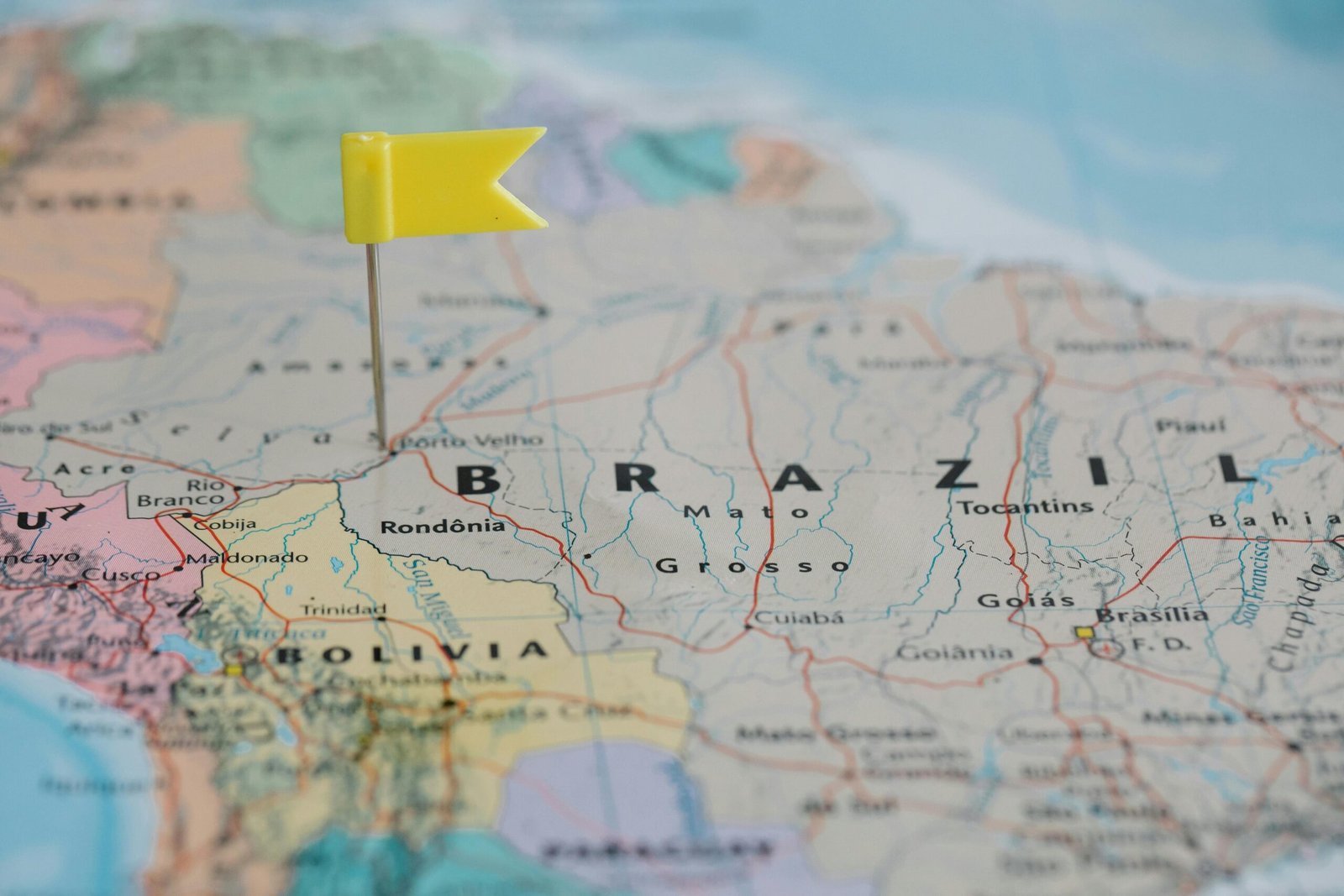
Brazil, the largest country in South America, is renowned not only for its vibrant culture but also for its extraordinary geographical diversity. Spanning over 8.5 million square kilometers, the nation is home to an array of ecosystems that shape its natural beauty and cultural richness. From the lush Amazon rainforest to expansive coastlines, Brazil’s varied landscapes paint a vivid picture of ecological wealth and variety.
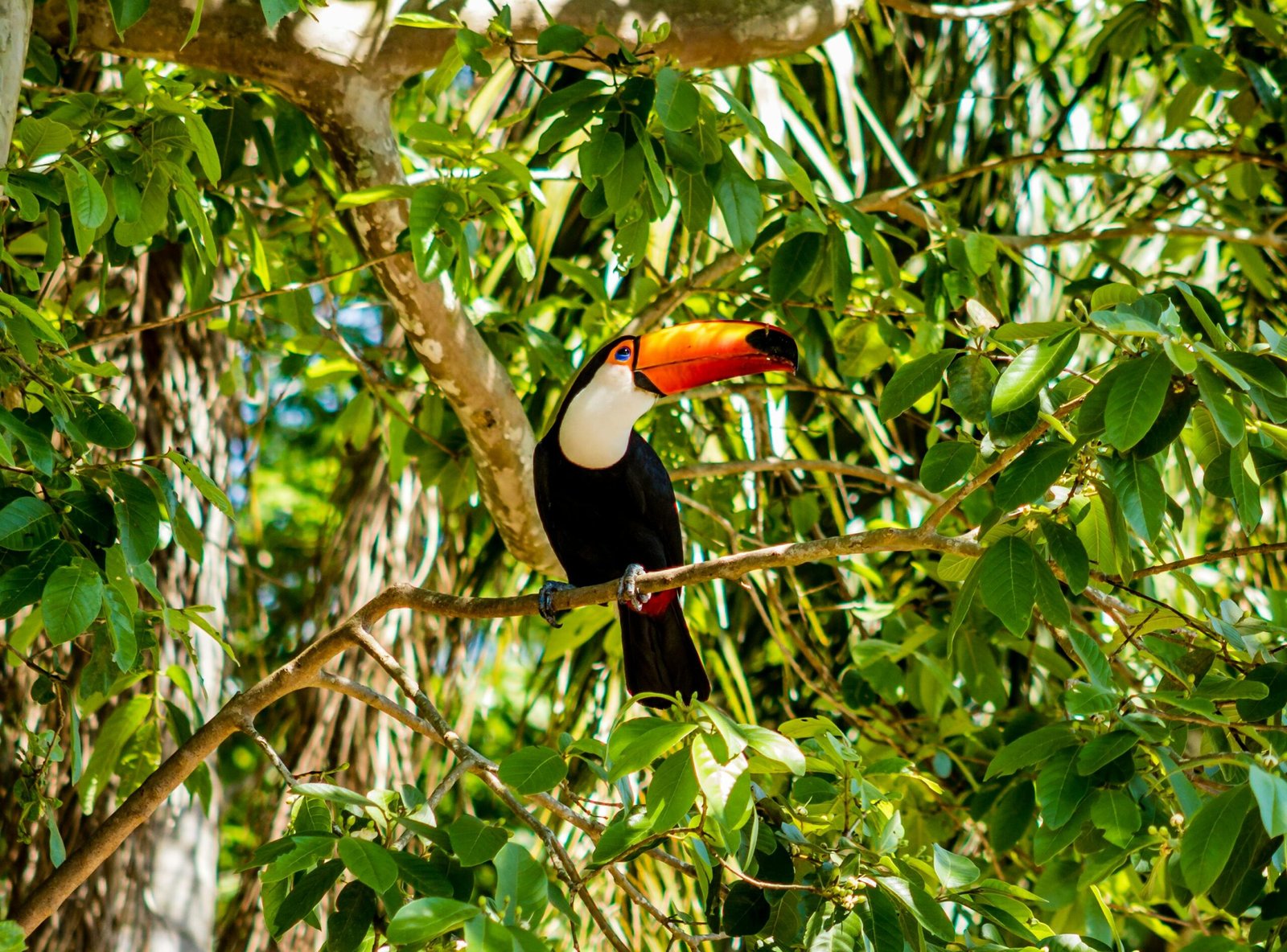
One of the most iconic features of Brazil is the Amazon rainforest, often referred to as the “lungs of the Earth” due to its vast biodiversity and pivotal role in carbon dioxide absorption. This immense tropical rainforest houses millions of species, some of which are yet to be discovered. The Amazon River, which flows through this region, is another vital component of the ecosystem, providing sustenance and livelihood to the indigenous communities residing along its banks.
In contrast to the dense jungles of the Amazon, the Pantanal wetlands present a unique environment characterized by seasonal floods and rich biodiversity. It is recognized as one of the world’s largest tropical wetland areas, attracting a plethora of wildlife, including jaguars, capybaras, and caimans. The Pantanal serves as a critical habitat for many endangered species and is a significant area for biodiversity research.
Brazil’s Atlantic coast, stretching for thousands of kilometers, presents yet another dimension of the country’s diversity. It is marked by stunning beaches, coastal forests, and bustling cities. These coastal ecosystems not only support a wide range of marine life but also play a vital role in the country’s economy through tourism and fishing.
The highlands of Brazil, with their mountainous terrain and temperate climate, contribute to the agricultural wealth of the country, producing coffee, soybeans, and various fruits. Such geographical diversity creates a vibrant tapestry of natural resources that contributes to Brazil’s identity.
The Amazon rainforest, often referred to as the “lungs of the planet,” is the largest tropical rainforest globally, spanning over five and a half million square kilometers. This vast ecosystem is primarily located within Brazil, but it also extends into several other countries, including Peru, Colombia, and Venezuela. Its significance cannot be overstated, as the Amazon houses a staggering variety of flora and fauna, many of which are found nowhere else on Earth. It is estimated that approximately 10% of the known species globally can be found here, making the Amazon a crucial reservoir of biodiversity.
Moreover, the Amazon rainforest is home to over 400 indigenous communities, each with its own unique cultural heritage and deep connection to the land. These communities rely on the forest for their survival, using its resources sustainably to maintain their ways of life. Indigenous knowledge and practices play a vital role in forest conservation, as these people understand the importance of preserving their environment not only for themselves but for the planet as a whole. Their daily interactions with the rainforest highlight the intricate relationships that exist within this rich ecosystem.
Despite its significance, the Amazon rainforest faces numerous environmental challenges, including deforestation, illegal logging, and climate change. These activities threaten the delicate balance of the ecosystem, resulting in habitat loss and endangerment of species. Deforestation, in particular, contributes significantly to carbon emissions, further exacerbating global climate issues. The interconnectedness of the Amazon with the Earth’s climate system underscores its vital role in sustaining both local and global ecological health. Protecting the Amazon rainforest is not simply a national issue for Brazil but a pressing global concern requiring concerted efforts to ensure its preservation for future generations.
The Pantanal: A Biodiversity Hotspot
The Pantanal is renowned as the world’s largest tropical wetland, covering an area of approximately 150,000 square kilometers. This unique ecosystem is a remarkable blend of lush vegetation, seasonal flooding, and diverse wildlife, making it one of the most biodiverse areas on the planet. The rich variety of habitats within the Pantanal supports an astonishing array of flora and fauna, including over 350 species of birds, 80 species of mammals, and countless reptiles and amphibians.
Among the iconic residents of this vibrant ecosystem are the jaguar, capybara, and caiman. The jaguar, often regarded as the apex predator of the Pantanal, thrives here due to the abundance of prey and sheltered environments provided by the dense vegetation. Capybaras, the largest rodents in the world, can be seen in large groups along the waterways, contributing to the wetland’s ecological dynamics. Caimans inhabit the rivers and lakes, where they serve as both predators and prey within the food web.
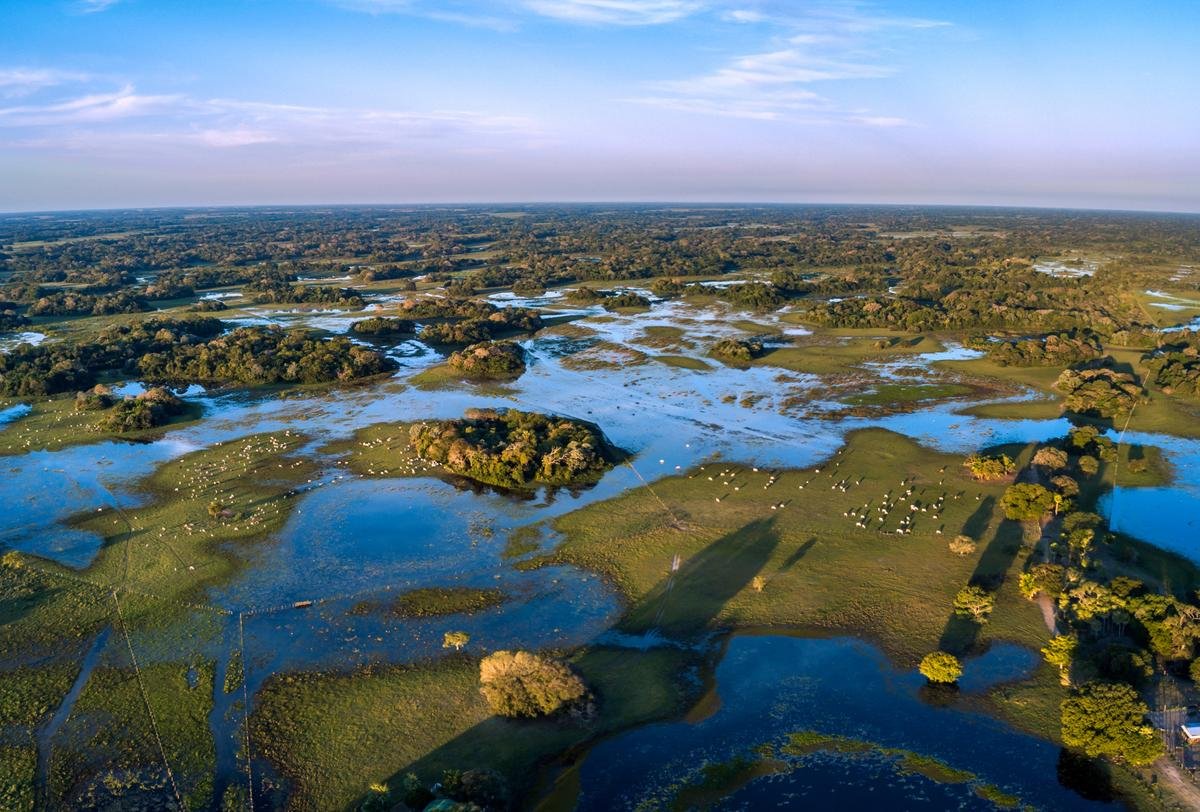
The seasonal flooding of the Pantanal is a crucial aspect of its ecology. This phenomenon occurs when heavy rains transform the landscapes into temporary lakes, creating ideal breeding grounds for fish and attracting a myriad of bird species. Ecologically, this flooding cycle supports plant growth, replenishes nutrients, and maintains the delicate balance of life in the wetland.
Ecotourism plays a significant role in the Pantanal’s local economies. Visitors are drawn to its stunning landscapes and unique wildlife, creating opportunities for sustainable income through guided tours, wildlife photography, and educational programs. This influx of tourism not only fosters conservation efforts but also raises awareness about the importance of protecting such a vital and irreplaceable habitat.
Coastal Beauty: The Atlantic Coastline
The Atlantic coastline of Brazil is renowned for its stunning beaches and vibrant coastal cities, making it a vital component of the nation’s identity. Stretching over 7,000 kilometers, the coast showcases a diverse array of landscapes, from white sandy beaches to rugged cliffs. Notable cities such as Rio de Janeiro and Salvador serve as cultural epicenters, drawing both locals and tourists to experience the unique atmosphere that characterizes Brazilian beach culture.
Rio de Janeiro, often referred to as “A Cidade Maravilhosa” or “The Marvelous City,” is famous for its iconic Copacabana and Ipanema beaches. These beaches not only offer breathtaking views but also play a significant role in the social lives of Brazilians. The vibrant energy of the city is evident through the festivities, street performances, and the warmth with which locals welcome visitors. Additionally, the annual Carnival celebration in Rio is a testament to the cultural importance of the coast, where music, dance, and parades transform the beaches into lively stages.
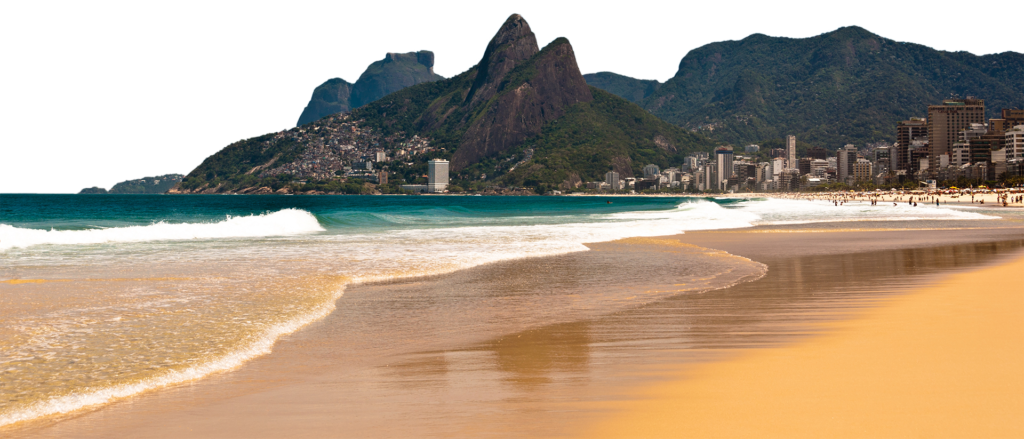
Similarly, Salvador, known for its Afro-Brazilian heritage, presents an entirely different coastal experience with its historic architecture and rhythmic music scene. The city’s beaches, like Porto da Barra and Itapuã, attract sunbathers, while the lively atmosphere fosters a sense of community and cultural pride. Festivals such as Festa de Iemanjá highlight the deep connection between the sea and Brazilian identity, celebrating the goddess of the ocean with offerings and elaborate processions.
Overall, Brazil’s Atlantic coastline serves as a canvas of cultural expression, where beach activities, local traditions, and artistic forms converge. From surfing to beach volleyball, the range of activities available captures the spirit of outdoor living. These diverse experiences foster a unique lifestyle that emphasizes relaxation, celebration, and togetherness, firmly establishing the beach as a pillar of Brazilian culture.
The Highlands and Their Cultural Impact
Brazil is home to diverse geographical landscapes, and among them, the highland regions—most notably the Serra do Mar and the Central Plateau—exemplify the vast climatic and ecological differences distinct from the more humid rainforests and coastal areas. The highlands largely feature a cooler climate that supports unique ecosystems, characterized by distinct flora and fauna. This difference in elevation not only contributes to varied biodiversity but also impacts the lifestyle and culture of the communities residing in these regions.
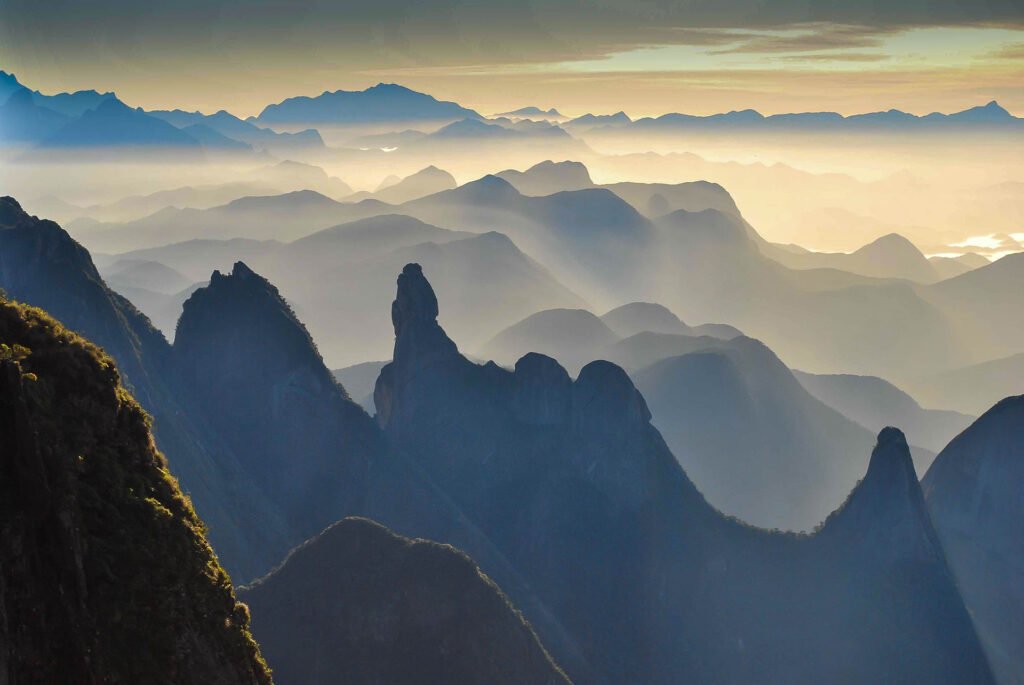
In the highland regions, agriculture plays a significant role. The varied microclimates allow for the cultivation of a range of crops, including coffee, soybeans, and various grains. Farmers in the highlands have developed techniques tailored to their specific environments, resulting in unique agricultural practices that differ greatly from those found in the coastal regions or the lowland rainforests. This agricultural diversity is not only important for sustenance but also for the economy, as highland crops contribute to both local and national markets.
The cultural tapestry of Brazil is also enriched by the highlands. The indigenous populations, along with immigrant communities, have contributed to unique cultural identities that reflect a blend of traditional practices and modern influences. Festivals, music, and crafts are often influenced by the highland lifestyle and their connection to the land. For example, the prominence of certain crops has led to culinary traditions that highlight local ingredients, showcasing the relationship between environment and culture.
Historically, the highland regions have also played pivotal roles in Brazil’s development. Their geography facilitated trade routes and settlement patterns that shaped economic and social structures. Over time, the cultural impacts of highland living continue to resonate throughout the broader Brazilian identity, illustrating how these areas are integral to understanding Brazil’s multifaceted society.
City Life: Urban Diversity and Culture
Brazil, with its vast territories and rich cultural heritage, showcases a remarkable urban landscape in cities like São Paulo, Brasília, and Belo Horizonte. Each of these metropolises embodies a unique identity, reflecting the country’s diverse culture and the fusion of various traditions. São Paulo, renowned as one of the largest cities in the world, presents a vibrant mosaic of cultures, characterized by its bustling streets filled with immigrants from different parts of the globe. This diversity substantially enriches the local cuisine, as traditional dishes from various regions and international flavors coalesce to create an impressive culinary scene.
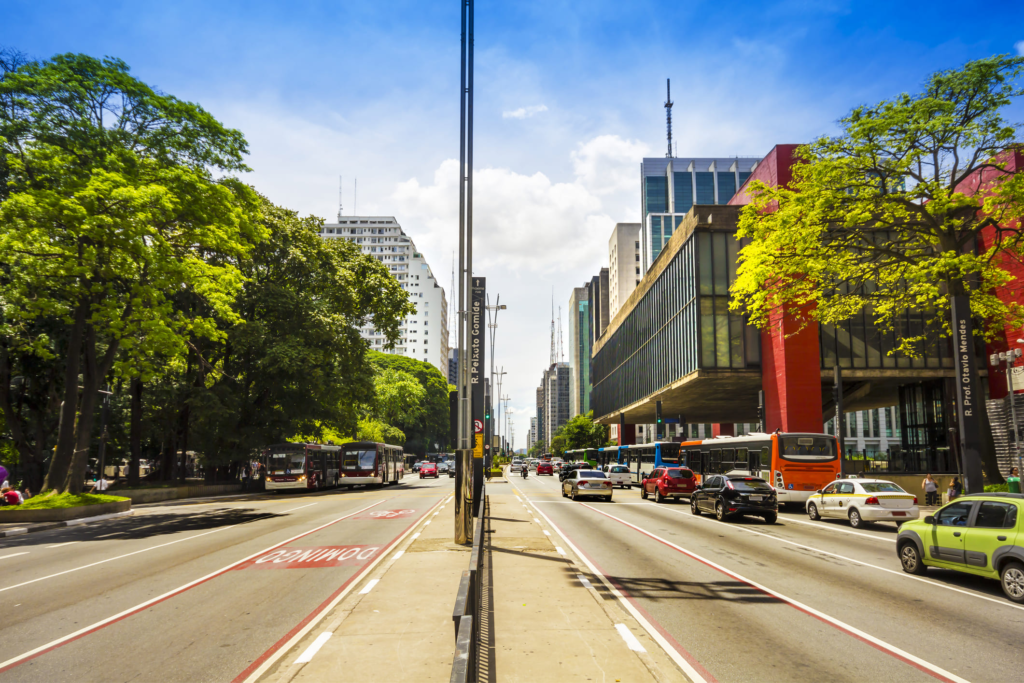
In contrast, Brasília, the capital city, was specifically designed to be a modernist utopia, demonstrating an architectural vision unlike any other. Its carefully planned layout, characterized by futuristic buildings designed by Oscar Niemeyer, reveals Brazil’s aspirations for a progressive future. The urban planning of Brasília reflects both functionality and artistic integrity, making it a peculiar yet fascinating urban experience. Here, cultural landmarks and institutions have been established, highlighting the nation’s commitment to arts and intellect.
Belo Horizonte also contributes to this dynamic urban landscape, known for its laid-back charm and a thriving cultural scene. The city promotes local arts through myriad art galleries, theaters, and music festivals, showcasing the renowned Brazilian music styles such as samba and bossa nova. The cultural vibrancy of these cities demonstrates the contrast they present with Brazil’s natural wonders, where lush rainforests and pristine coastlines exist just outside urban confines. This juxtaposition reflects Brazil’s multifaceted reality, where urban life and natural beauty coalesce, offering residents and visitors a rich experience of varied lifestyles.
Cultural Festivities: Celebrating Diversity
Brazil is renowned for its vibrant cultural festivities, which serve as a reflection of its rich and diverse society. Among the most significant celebrations is the Carnival, an annual event that transforms cities into epicenters of music, dance, and exuberance. During this spectacular phenomenon, which occurs annually before Lent, millions take to the streets dressed in extravagant costumes. Samba music, a quintessential element of Brazilian culture, fills the air, as various samba schools compete for the title of the best performance. The event not only displays artistic talent but also showcases the unifying spirit of Brazilian culture, transcending regional and ethnic divides.
Another prominent festival is Festa Junina, celebrated throughout the month of June, which pays homage to the rural traditions of Brazil. This festival features colorful decorations, traditional foods, and folk dances such as the quadrilha, which are inspired by the agrarian lifestyle. Groups often dress in rural or countrified outfits, emphasizing a connection to Brazil’s rural heritage. The festivities highlight regional customs and food, varying significantly from one state to another, thus showcasing the country’s regional diversity.
These festivals are not only significant cultural events; they also serve a vital function in fostering social cohesion among diverse communities. They promote a sense of belonging and pride in cultural heritage while simultaneously offering opportunities for community engagement. By celebrating their wide-ranging historical influences – from Indigenous to African and European cultures – these festivals underscore how the complex identity of Brazil is woven together through shared experiences and joyous collective celebrations. Each event fosters an appreciation for the unique qualities within the vast tapestry of Brazilian society.
Environmental Challenges and Preservation Efforts
Brazil faces significant environmental challenges that threaten its rich ecosystems, particularly in its vast rainforests and coastal regions. Deforestation is a critical issue, as large areas of the Amazon rainforest are being cleared for agricultural expansion, logging, and urban development. This process not only reduces biodiversity but also contributes to climate change by releasing vast amounts of carbon dioxide stored in trees. According to recent studies, the deforestation rates have increased, leading to alarm among environmentalists and scientists.
Pollution is another major concern, particularly in urban areas and along the extensive coastline. Major cities like São Paulo and Rio de Janeiro struggle with air and water pollution, primarily due to industrial emissions, waste disposal, and inadequate infrastructure. Coastal pollution, particularly from plastic waste and industrial runoff, threatens marine life and impacts local fishing economies, creating a vicious cycle that jeopardizes both nature and livelihood.
In response to these pressing issues, various communities and organizations are spearheading preservation efforts aimed at protecting Brazil’s unique biodiversity. Initiatives such as reforestation projects and sustainable agriculture are gaining traction, with local farmers adopting practices that promote ecological balance. Additionally, numerous non-governmental organizations are working tirelessly to advocate for policy changes that prioritize environmental conservation and promote awareness among the general public.
There have been notable success stories in the realm of conservation. For instance, protected areas, such as national parks and reserves, have seen improvements in biodiversity and ecosystem health due to dedicated management and community engagement. However, challenges remain, including political instability and economic pressures, which can undermine long-term sustainability efforts. The commitment of local communities, combined with collaboration from international partners, will be crucial in reversing the damage and preserving the multifaceted environments of Brazil.
Conclusion: Embracing Brazil’s Many Worlds
Brazil stands as a testament to the remarkable diversity of life, cultures, and landscapes that our planet can offer. Spanning from the lush rainforests of the Amazon to the pristine coastlines of Ipanema, the country’s wealth of ecosystems and cultural heritage creates an intricate tapestry that is both beautiful and complex. Throughout this exploration, it has become clear that understanding Brazil involves more than just recognizing its geographical boundaries; it requires an appreciation of its multifaceted identity.
The symbiotic relationship between Brazil’s natural environments and its diverse communities illustrates the intertwined nature of ecological and cultural systems. Each region contributes uniquely to the national narrative, making it imperative that we approach this vast nation with a mindset of curiosity and respect. Brazil’s indigenous populations, vibrant urban centers, and serene rural landscapes remind us of the importance of inclusivity in our perceptions and discussions about place.
Encouraging advocacy for Brazil’s natural beauty and cultural significance is crucial, especially considering the environmental challenges it faces. As global citizens, it is our responsibility to advocate for the sustainable preservation of these environments and the rich heritage they harbor. This commitment not only benefits Brazil but also contributes to the global effort of protecting biodiversity and cultural diversity.
As we conclude our journey through Brazil’s many worlds, let us embrace the idea that diversity enriches our lives. By fostering a deeper understanding and appreciation of Brazil’s ecological wonders and cultural narratives, we not only enhance our own perspectives but also advocate for a more sustainable and harmonious relationship with the planet. The vibrant landscapes and cultures of Brazil await our reverence and protection, inviting us all to play a part in their preservation.