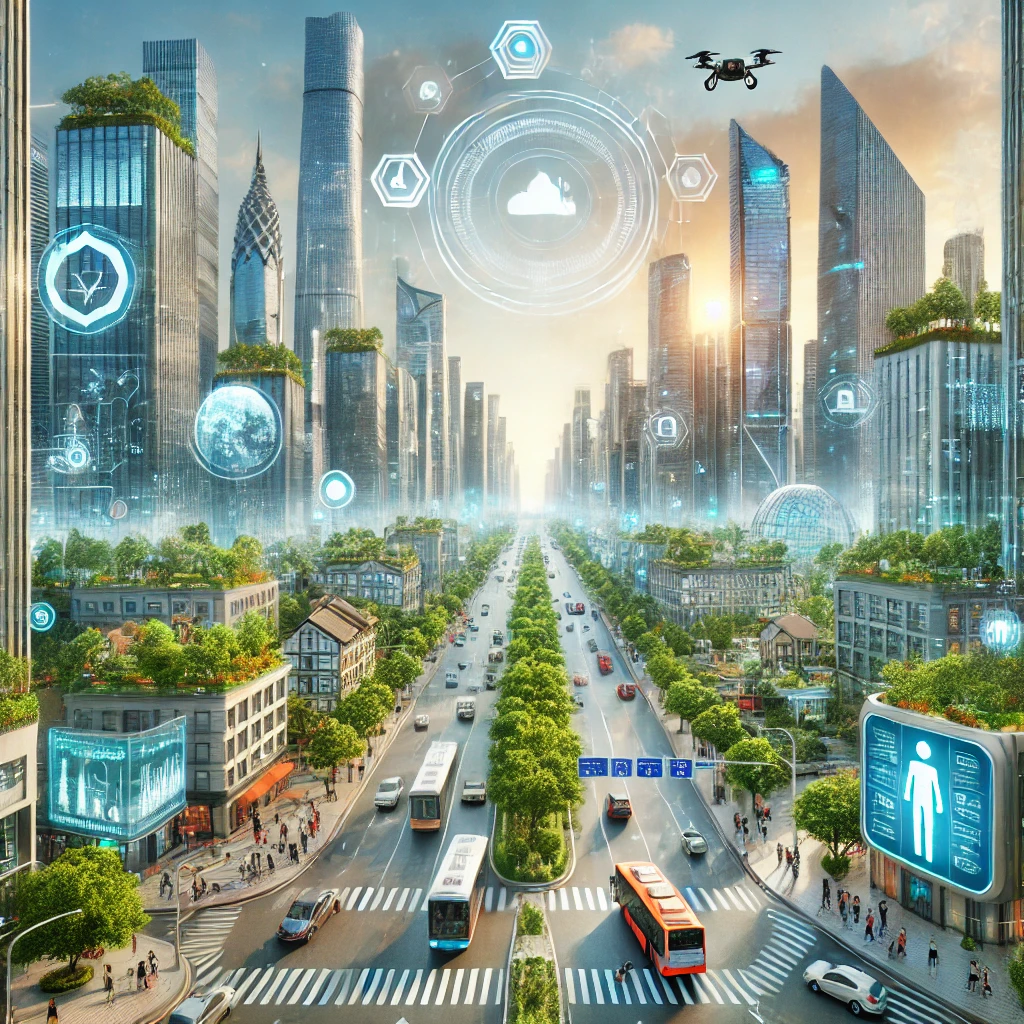


The Rise of Artificial General Intelligence (AGI)
The concept of Artificial General Intelligence (AGI) has gained significant traction in recent years, particularly as advancements in machine learning and neural networks continue to evolve. Unlike narrow AI, which is designed to perform specific tasks, AGI represents the aspiration to develop machines that possess the capability to understand, learn, and apply intelligence across a wide range of activities, mimicking human cognitive functions.
As we look toward 2026, several industries are beginning to embrace the implications of AGI. In sectors such as healthcare, AGI has the potential to revolutionize diagnostics and personalized medicine, offering insights and recommendations based on complex data sets. Similarly, in the finance sector, AGI could enhance risk assessment capabilities and streamline operations, ultimately leading to better decision-making processes. The possibility of integrating AGI into areas like education and customer service further underscores its transformative power.
However, the rapid development of AGI raises important ethical considerations that society must address. Questions surrounding data privacy, algorithmic bias, and the potential for job displacement are at the forefront of discussions among technologists, ethicists, and policymakers. As organizations race to harness AGI’s capabilities, it is vital to implement frameworks that prioritize responsible usage and safeguard against unintended consequences. Building collaboration across various fields will be key in navigating the complex landscape of AGI.
In summary, the rise of Artificial General Intelligence signifies a pivotal moment in technological advancement. Its implications are set to alter the operational dynamics across numerous sectors while simultaneously demanding a thoughtful approach to its ethical ramifications. Keeping abreast of these developments is essential for those looking to understand the future trajectory of technology and its impact on society.
Climate Change Innovations
The imperatives of mitigating climate change have spurred unprecedented innovations across various sectors. As the devastating effects of global warming become increasingly apparent, efforts to combat its progression have accelerated significantly. A strong focal point of contemporary innovations is the advancement of carbon capture technologies. These systems are designed to capture up to 90% of the carbon dioxide emissions produced from the use of fossil fuels in electricity generation, subsequently storing it underground or repurposing it sustainably. This innovative solution plays a crucial role in reducing greenhouse gases and holds great promise in the ongoing battle against climate change.
Another key area of innovation is the development and implementation of renewable energy sources. Solar and wind energy technologies have evolved rapidly, becoming more efficient and cost-effective than ever before. Countries around the globe are investing heavily in solar farms, offshore wind installations, and other renewable solutions, further reducing their reliance on fossil fuels. The transition to renewable energy not only lowers carbon emissions but also encourages energy independence for many nations, fostering a shift towards more sustainable energy practices.
Sustainable practices within businesses are also vital in addressing environmental challenges. Many organizations are adopting waste reduction strategies, sourcing materials sustainably, and implementing circular economy principles, which emphasize recyclability and minimize waste. Certification programs like LEED (Leadership in Energy and Environmental Design) encourage businesses to pursue sustainable construction and design, promoting more eco-friendly practices in urban development.
Global initiatives, such as the Paris Agreement, stimulate nations to commit to lowering their carbon footprints and investing in innovative solutions. Collaborative efforts between countries, businesses, and communities are essential in achieving substantial progress. The convergence of technology, policy, and grassroots movements represents a comprehensive approach to tackling climate change. Adopting and disseminating these innovations will be imperative as we collectively address one of the most pressing issues of our time.
3. Space Exploration and Colonization
Space exploration has reached unprecedented heights in the year 2026, with a multitude of missions targeting both the Moon and Mars. As nations and companies alike position themselves within the realm of extraterrestrial travel, the potential for colonization becomes increasingly salient. Human missions to the Moon are now being framed not merely as short-term endeavors, but rather as essential stepping stones towards a more permanent presence on Mars.
The scientific opportunities afforded by these missions are vast. For instance, NASA and other organizations are investing in technology aimed at sustaining human life beyond Earth, addressing challenges such as resource management, habitat construction, and life support systems. This groundwork is pivotal as researchers consider what is required for long-term human habitation on Mars, a planet known for its harsh conditions and thin atmosphere.
Furthermore, the role of private companies in space exploration cannot be underestimated. Companies such as SpaceX and Blue Origin have dramatically shifted the landscape of space travel with innovative approaches and ambitious goals. These entities not only aim for transportation solutions but also engage in the development of orbital infrastructures which might serve as launch pads or resource hubs for future missions. Their successes promise to open up new avenues for economic advancements in space technology, with potential impacts felt on Earth as well.
In conclusion, as we stand on the brink of a new era in space exploration, corresponding to the growing public interest in colonization efforts, economic investment and innovation are pivotal. The next decade is poised to witness remarkable achievements that may redefine humanity’s existence not only on Earth but beyond.
Mental Health and Technology
The evolution of technology has increasingly intersected with the field of mental health, leading to significant advancements in how we approach and address mental wellness. As awareness of mental health issues grows, the utilization of digital platforms and tools has become a prominent feature in therapeutic practices. Not only do these platforms provide access to mental health resources, but they also offer innovative methods for assessment and treatment.
One of the most noteworthy developments is the rise of digital therapy platforms, which facilitate remote counseling and therapy sessions. These platforms make it easier for individuals to seek help, particularly in a fast-paced world where traditional in-person sessions may seem daunting or inaccessible. The convenience and anonymity offered by these platforms have attracted many users, democratizing access to mental health services.
Furthermore, artificial intelligence (AI) has emerged as a key player in mental health assessment. AI-driven tools can analyze behavioral patterns and responses, providing timely insights that help practitioners tailor their interventions. These assessments often enable early identification of potential mental health issues, allowing individuals to receive support before problems escalate.
Societally, the increasing focus on mental wellness reflects a cultural shift towards prioritizing mental health alongside physical health. This growing recognition has spurred greater investment in mental health technologies, resulting in a more robust infrastructure for support and treatment. Communities are beginning to embrace mental wellness initiatives, integrating them into public health conversations and workplace environments alike.
In conclusion, the interplay between mental health and technology is shaping the future of psychological wellbeing. By harnessing the capabilities of digital platforms and AI, a new horizon of mental health care is emerging, fostering supportive environments for individuals and communities alike. As we progress into 2026, following these developments will be essential for anyone interested in the evolving landscape of mental health.
The Evolution of Work and Remote Learning
The landscape of work and education has undergone significant transformation due to the rise of remote technology and hybrid environments. Since the onset of the digital age, organizations and educational institutions have had to adapt swiftly to accommodate evolving needs and expectations. One key aspect of this evolution is the shift towards remote learning and virtual workspaces, which have become fundamental in shaping the future of both sectors.
In the context of employment, businesses are increasingly implementing flexible work arrangements. These models not only facilitate better work-life balance for employees but also open doors for companies to tap into a broader talent pool, unrestricted by geographical boundaries. Consequently, the demand for skills that can thrive in remote settings—such as digital communication, self-discipline, and adaptability—has intensified. Employers are now prioritizing candidates who possess competencies that align with this new way of working. This change emphasizes the importance of training and upskilling in anticipation of the skills required for tomorrow’s job market.
Similarly, educational institutions have embraced hybrid learning models, combining in-person and online instruction to optimize the learning experience. This transition requires educators to remain adept with emerging technologies and teaching methods. Content delivery has shifted towards digital platforms, necessitating instructors to develop engaging online curricula that foster interactive learning. As educators adapt to this evolution, the focus on fostering critical thinking and problem-solving skills has become paramount, preparing students for the dynamic workforce.
As we look to the future, ongoing adaptation will remain essential. Organizations and educational institutions that successfully implement and embrace remote technology, while prioritizing the development of relevant skills, will thrive in an increasingly interconnected and digital world.
Cryptocurrency and Decentralized Finance (DeFi)
The landscape of cryptocurrency and decentralized finance (DeFi) has experienced significant transformations over the past few years, setting the stage for trends that are likely to dominate in 2026. Cryptocurrencies have transcended their initial role as mere digital assets, becoming integral components of the financial system. As regulatory frameworks evolve worldwide, they seek to balance innovation with consumer protection, impacting everything from trading to taxation.
Several countries are making strides toward implementing clearer regulations around cryptocurrency and blockchain technologies. These regulatory changes are fostering a more secure environment for investors and users, paving the way for increased adoption across mainstream financial services. Institutions that once shied away from digital currencies are now beginning to recognize their potential benefits and are increasingly integrating blockchain solutions into their operations.
Another key aspect of the DeFi trend is the rise of decentralized applications (dApps) that enable users to engage in financial transactions without intermediaries. This shift not only enhances transactional efficiency but also encourages financial inclusion. People without access to traditional banking infrastructure can now participate in global markets, further democratizing finance.
Looking ahead, the potential of blockchain technology remains immense. With innovations such as smart contracts and tokenization, the future could see significant shifts in how assets are managed and transferred. Cryptocurrencies and DeFi platforms are poised to alter the fabric of everyday transactions, making them more seamless and transparent.
As we navigate through 2026, it will be crucial for stakeholders to monitor these developments closely. Understanding the interplay between regulatory frameworks, market adoption, and technological advancements will be essential for anyone looking to engage with the world of cryptocurrency and decentralized finance.
Health Technology Advancements
In the fast-evolving landscape of healthcare, health technology advancements are playing a pivotal role in reshaping the way medical services are delivered and experienced. The integration of telemedicine, wearable health devices, and personalized medicine are some of the most significant breakthroughs that are enhancing patient outcomes and transforming the healthcare industry as a whole.
Telemedicine has emerged as a game-changer, allowing patients to consult healthcare professionals remotely. This mode of health care delivery has gained considerable traction, especially in light of recent global health crises, which have highlighted the necessity for accessible medical consultations. Through video calls, remote monitoring, and digital communication, telemedicine makes it possible for individuals to receive timely care and advice, reducing wait times and improving access for populations that might be underserved. Furthermore, it enables continuous health monitoring and follow-ups, fostering better management of chronic conditions.
Wearable health devices have also seen remarkable advancements, including smartwatches and fitness trackers that monitor vital signs such as heart rate, blood pressure, and oxygen levels. These devices empower users to take charge of their health by providing real-time insights into their physical well-being. The data collected can also be analyzed by healthcare providers for informed decision-making, allowing for preventive interventions that can significantly improve patient outcomes.
Additionally, personalized medicine is revolutionizing the approach to treatment by tailoring therapies to individual genetic profiles, lifestyle factors, and preferences. This innovation not only enhances the efficacy of treatments but also minimizes adverse effects, providing a more patient-centric healthcare experience. Through these pioneering advancements, the healthcare industry is witnessing dramatic improvements in patient engagement, satisfaction, and overall health results.
Social Justice Movements and Activism
The landscape of social justice movements has evolved significantly over the past decade, driven by a combination of increased activism, public awareness, and technological advancements. Today, individuals and organizations are leveraging social media platforms and mobile technologies not only to raise awareness but also to coordinate and mobilize efforts towards various causes. From the Black Lives Matter movement to climate justice campaigns, technology has become an indispensable tool in advancing these initiatives, enabling real-time communication and engagement at unprecedented scales.
Moreover, the impact of these social justice movements has been profound, as they challenge systemic inequalities and advocate for the rights of marginalized groups. Issues ranging from racial injustice and gender equality to LGBTQ+ rights and immigrant advocacy are at the forefront of contemporary activism. The interconnectedness of these movements highlights a collective struggle for social equity, further amplified by global events and crises that resonate across multiple communities. Activists utilize hashtags, viral campaigns, and digital storytelling to foster a sense of solidarity and urgency, prompting individuals to participate in sustained dialogues surrounding these critical issues.
However, along with progress, challenges persist. Marginalized communities continue to face significant barriers, including discrimination, economic disparity, and political marginalization. In particular, the backlash against progressive reforms has fostered an environment of resistance, underscoring the necessity of continued advocacy and support. The movements’ future directions will likely include an emphasis on intersectionality, addressing how various forms of identity and oppression interact. As society becomes increasingly aware of the nuances within these struggles, social justice movements will need to evolve, incorporate diverse voices, and employ innovative strategies to combat systemic injustices effectively.
Bioethics and Genetic Engineering
The advancement of genetic engineering and biotechnology has brought to the forefront pressing bioethical concerns, particularly with developments such as CRISPR and gene therapy. CRISPR, an innovative tool that allows for precise editing of DNA, poses a myriad of opportunities for treating genetic disorders and enhancing human capabilities. However, these substantial advancements also invite significant moral dilemmas that society must navigate.
One of the most contentious issues within bioethics involves the concept of human enhancement. The prospect of enhancing human traits through genetic modifications raises questions about equality, access, and the essence of what it means to be human. Proponents argue that gene therapy can eradicate hereditary diseases and improve quality of life, whereas critics warn of a potential societal divide where only the wealthy can afford enhanced genetic traits, leading to a new form of discrimination.
Additionally, the ethical implications extend beyond human enhancement to considerations surrounding consent, especially concerning germline modifications where changes can be passed to future generations. The complexities of informed consent in genetic engineering, particularly for unborn children, necessitate careful deliberation. As we delve deeper into the possibilities of genetic manipulation, the operational governance of biotechnology becomes crucial in addressing these ethical matters.
The debates surrounding bioethics not only highlight the necessity of responsible stewardship in the field of genetic engineering but also challenge researchers and policymakers to align scientific advancement with moral responsibility. As we continue to explore the capabilities afforded by genetic technologies, it is imperative to engage in ongoing discussions about their ethical implications, ensuring that advancements are pursued with caution and integrity.
The Future of Entertainment: Virtual Reality and AI
The entertainment industry is on the brink of a revolution driven by advancements in virtual reality (VR) and artificial intelligence (AI). By merging these technologies, creators are able to offer audiences experiences that were once thought to be possible only in the realm of science fiction. The integration of AI into VR has opened up new avenues for interactive storytelling, where viewers can not only consume content but also influence the narrative path in real-time.
Gaming has been at the forefront of this transformation, with VR platforms providing deeply immersive experiences that engage players on a multi-sensory level. AI enhances these environments by adapting challenges and scenarios to fit individual player styles, thereby personalizing gameplay. As a result, we see trends toward more adaptive and intelligent game design, moving beyond static narratives into dynamic gameplay that evolves with the user’s choices.
Beyond gaming, virtual reality combined with AI continues to redefine other forms of entertainment, such as movies and virtual concerts. Filmmakers are leveraging VR to create 360-degree environments that immerse audiences fully in the fabric of their stories. AI-generated content is also making its mark, with algorithms capable of producing scripts, music, and visuals that rival traditional methods. These advancements signal an era where the line between creator and audience becomes blurred, as viewers become active participants in the entertainment process.
Looking ahead, we can expect to see increased investment in the exploration of these technologies. The accessibility of VR headsets and AI tools will likely democratize content creation, giving rise to a plethora of new voices and ideas in the entertainment landscape. Thus, individuals and brands involved in the entertainment sector should stay attuned to these trends as they offer significant opportunities to innovate and engage with audiences in unprecedented ways.