The Essence of Brazil
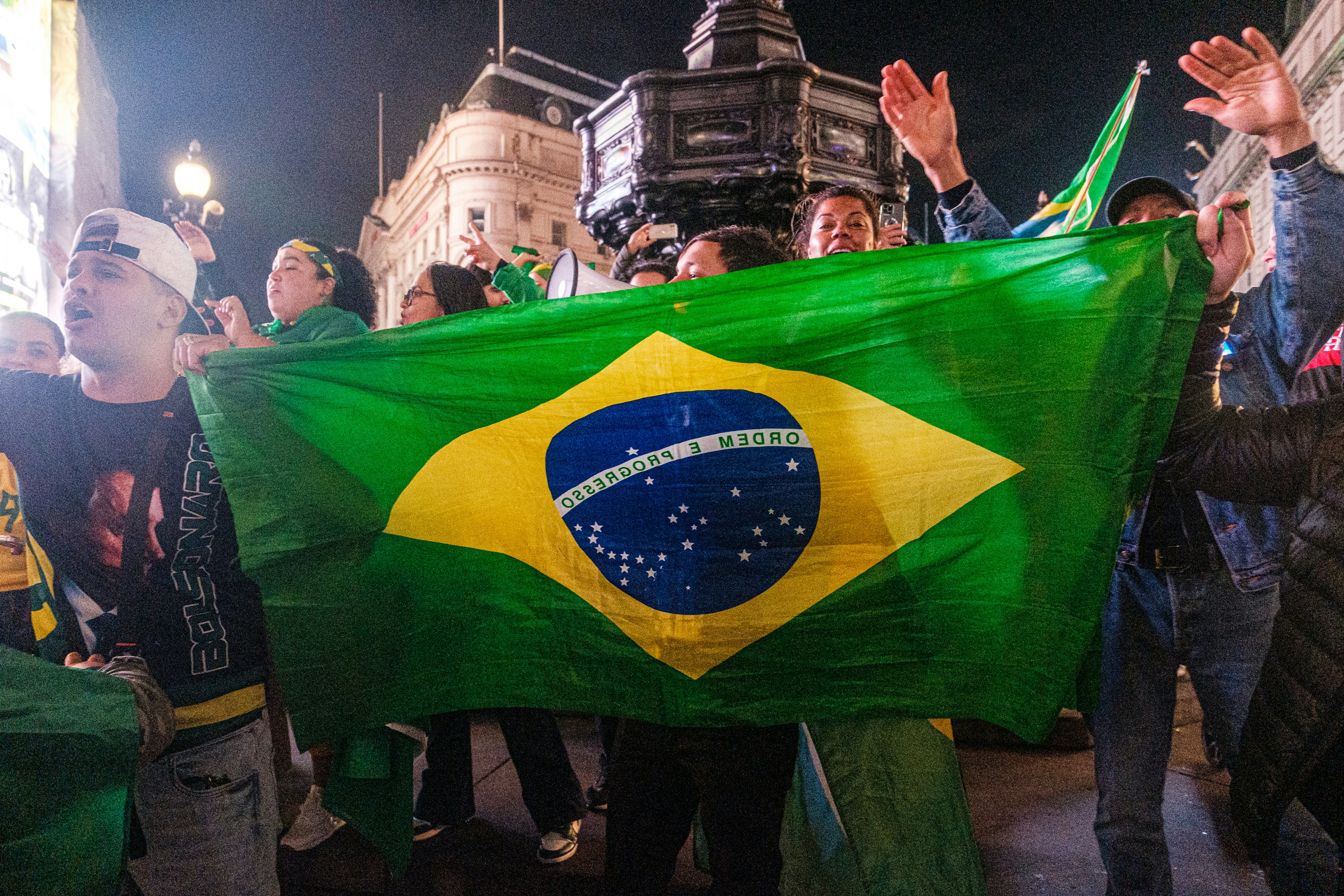
Brazil is widely recognized as a country brimming with a unique vibrancy that captivates both locals and visitors alike. The essence of Brazil permeates through its diverse culture, including its iconic music genres, vibrant art, and spirited festivals that occur year-round. Brazil’s rich tapestry of cultural expressions is not just a representation of its heritage but also reflects the joy and exuberance characteristic of its populace.
At the heart of Brazil’s identity lies a passionate embrace of color, noise, and happiness. From the bright hues of carnival costumes to the rhythmic beats of samba, every element contributes to a sense of communal celebration. The iconic Carnival, held annually, serves as a remarkable demonstration of this joyful spirit, where millions partake in a festival marked by parades, music, and dance, radiating an infectious energy that exemplifies the country’s collective joy.
The sounds of Brazil are equally significant, resonating through its streets and neighborhoods. Music is the lifeblood of Brazilian culture; genres such as bossa nova, forró, and MPB (Música Popular Brasileira) fill public spaces with melodies that evoke a sense of shared identity. Music festivals are commonplace, gathering creatives and audiences from various backgrounds to celebrate unity through rhythm and tune.
Moreover, the concept of happiness in Brazilian society transcends mere emotion—it embodies a way of life. There exists a cultural disposition towards positivity and optimism that is manifested in everyday interactions, communal gatherings, and collective celebrations. This intrinsic quality has often been noted as one of the defining characteristics of Brazil, painting a picture of a nation that actively integrates joy into the fabric of its daily life.
Cultural Diversity: A Palette of Influences
Brazil is a remarkable tapestry woven from diverse cultural threads, including influences from Indigenous peoples, African heritage, and European colonization. This rich cultural diversity is not only a source of national pride but also a crucial aspect that shapes the vibrant lifestyle and traditions experienced across the country. Each group has contributed its unique perspectives, art forms, music styles, and culinary practices, thereby enhancing the colorful and lively nature of Brazilian culture.
Indigenous peoples, who were the original inhabitants of Brazil, have laid foundational aspects of Brazilian culture, including art, mythology, and spirituality. Their profound connection to nature and community emphasizes a lifestyle rooted in harmony with the environment. The intricate designs seen in Indigenous crafts, such as pottery and weaving, highlight their artistic prowess and cultural significance. Additionally, many Brazilian festivals include elements of Indigenous rituals, displaying how these traditions have persisted throughout the years.
Simultaneously, the African diaspora has played an instrumental role in shaping Brazilian cultural identity. The arrival of enslaved Africans during colonial times infused Brazilian culture with distinctive rhythms, dance forms, and religious practices. The emergence of music genres such as samba and bossa nova exemplifies the vibrant fusion of African beats with other cultural elements, creating an enduring legacy that resonates deeply within Brazil’s identity. Furthermore, African influences extend into culinary traditions, where ingredients and techniques have combined to produce unique regional dishes.
European colonization brought further layers of cultural complexity, with Portuguese customs serving as a fundamental influence. Language, religion, and architectural styles reflect this legacy, forming a background against which the influences of Indigenous and African cultures have flourished. As a result, Brazilian art and music serve as a fitting testament to this harmonious amalgamation, capturing the essence of a country that thrives on cultural diversity. Brazil stands as a beacon of how multiple heritages can coexist and create a vibrant, colorful society, celebrating the nuances that each group brings to the broader cultural narrative.
Festivals: The Pulse of Celebration
Brazil is renowned for its vibrant festivals that reflect the nation’s cultural richness and diversity, showcasing the spirit of joy and community through vivid colors and electrifying sounds. Among these, Carnival stands out as the most iconic celebration. Originating from a blend of African, Indigenous, and European traditions, Carnival transforms Brazilian cities into lively spectacles every year. With samba parades featuring elaborate costumes, energetic music, and spirited dancing, Carnival is a festival that pulsates life, capturing the essence of Brazilian culture.
In addition to Carnival, another prominent celebration is Festas Juninas, which occurs in June, commemorating rural life and traditional customs. During this festival, towns across Brazil become vibrant community hubs adorned with colorful banners and decorations symbolizing the harvest season. People gather to partake in traditional dances, savor delicious foods such as corn dishes, and enjoy the warmth of bonfires, fostering a sense of togetherness that resonates deeply within local cultures.
The celebrations for Brazil’s Independence Day on September 7th further exemplify the importance of festivals in civic pride and national identity. This patriotic occasion is marked with parades, music, and performances that illustrate Brazil’s historical journey towards independence. Cities erupt in festivity, ranging from military displays to cultural showcases that invite participation from all citizens. Together, these festivals serve as dynamic expressions of Brazilian heritage, bridging communities and inviting everyone to share in the joyous noise and color that defines the nation.
Street Art: The Urban Canvas
Brazilian cities, particularly São Paulo and Rio de Janeiro, have become renowned for their vibrant street art scenes. The urban landscape serves as a canvas for countless artists who transform bland walls into expressive murals that reflect the rich tapestry of Brazilian culture and societal issues. Street art in Brazil is not merely an aesthetic endeavor; it is also a powerful means of communication that resonates with local communities.
In São Paulo, the sheer scale and diversity of street art are impressive. The city’s walls are adorned with striking murals that depict themes ranging from social justice to environmental concerns. Artists like Eduardo Kobra and Os Gêmeos have achieved international recognition, yet they remain deeply connected to their roots. Their works often highlight Brazil’s historical struggles and celebrations, making street art a significant form of cultural identity. Similarly, in Rio de Janeiro, the vibrant neighborhoods of Santa Teresa and Lapa feature stunning murals that engage with both cultural heritage and contemporary social issues.
The accessibility of street art also plays a crucial role in its prominence. Unlike traditional art institutions, street art invites everyone to engage with it; it is visible, open, and often collaborates with community voices. This form of public art fosters dialogue and awareness, as murals frequently address pressing concerns such as poverty, racism, and environmental degradation. Additionally, events like the Rio Street Art Festival further emphasize the importance of murals and graffiti in promoting social commentary and unity among locals.
Ultimately, street art has become an essential aspect of urban life in Brazil, vividly illustrating the complexities of society while providing a platform for self-expression. As cities continue to evolve, the importance of maintaining these public art forms becomes increasingly clear, reflecting the heart and soul of Brazilian culture.
Music and Dance: The Heartbeat of the Nation
Brazilian culture is inextricably linked to its vibrant music and dance forms, which serve as powerful expressions of national identity, community, and joy. Among the myriad genres that flourish within the country, samba, bossa nova, and forró stand out, encapsulating the essence of what it means to be Brazilian.
Samba, perhaps the most recognized of these genres, emerges from the Afro-Brazilian tradition and is synonymous with the famous Rio Carnival. This infectious rhythm is not merely a musical style but also a cultural phenomenon that brings people together, fostering a sense of unity and belonging. The lively beats of samba, accompanied by dazzling costumes and enthusiastic dancing, create an atmosphere of celebration that embodies Brazil’s spirit of happiness.
Bossa nova, a soothing blend of samba and jazz, offers a contrasting yet equally significant musical expression. Originating in the late 1950s, bossa nova reflects a more introspective side of Brazilian culture, with its smooth melodies and poetic lyrics resonating with themes of love and the beauty of everyday life. This genre has gained international acclaim and continues to serve as a bridge between Brazilian music and global audiences, further illustrating the diverse musical landscape of the nation.
Forró, on the other hand, hails from the Northeast of Brazil and is characterized by its lively rhythms, often danced in pairs amidst festive gatherings. This genre plays a vital role in regional identity, providing a means for communities to come together and celebrate their heritage. The engaging choreography and communal spirit of forró highlight the importance of social connections within Brazilian music and dance.
Ultimately, music and dance form the heartbeat of the Brazilian nation, intertwining joy, cultural expression, and social cohesion. Whether through the pulsating rhythms of samba, the serene melodies of bossa nova, or the vibrant celebrations of forró, these art forms encapsulate the essence of Brazilian happiness, inviting everyone to partake in the exuberance of life.
Nature and Landscape: A Vibrant Backdrop
Brazil is renowned for its breathtaking landscapes, a characteristic that significantly contributes to the nation’s cultural vibrancy. From the lush interiors of the Amazon rainforest to the sun-kissed shores of its pristine beaches, the visual splendor found throughout Brazil’s natural environments plays a fundamental role in shaping the Brazilian experience. The Amazon rainforest, often referred to as the ‘lungs of the Earth,’ is not only a treasure trove of biodiversity but also serves as a vital ecosystem influencing climate patterns globally. Visitors and locals alike are drawn to the Amazon for its dense foliage, diverse wildlife, and the rhythmic sounds of nature, embodying the vibrancy present in the culture.
Moving from the depths of the rainforest to the coast, Brazil’s beaches, including renowned spots such as Copacabana and Ipanema, provide a contrasting yet equally colorful backdrop. These coastal environments serve as gathering places for communities and travelers to engage in festivities, sports, and relaxation. In these vibrant settings, the sun-drenched sand and the lively waves amplify Brazil’s spirit of happiness and celebration. The atmosphere is frequently enhanced by music, dance, and social gatherings, where locals revel in the joy of life against the stunning coastal scenery.
Moreover, these natural landscapes serve as a canvas for various forms of outdoor activities, enhancing connectivity and joy among people. Whether it be exploring hiking trails in national parks or participating in beach sports, nature encourages physical activity and community interaction, fostering a culture of togetherness and happiness. This dynamic relationship between Brazil’s striking environments and its cheerful populace illustrates how the country effectively harmonizes its natural beauty with cultural expression, turning every landscape into a vibrant celebration of life.
Culinary Delights: A Feast for the Senses
Brazilian cuisine is renowned for its vibrant flavors, rich aromas, and colorful presentations, embodying the very essence of the nation’s culture. It is a culinary tapestry woven from indigenous, African, and European influences, showcasing a variety of dishes that not only satisfy the palate but also create an experience of joy and camaraderie.
One of the quintessential dishes in Brazilian cuisine is feijoada, a hearty black bean stew often made with a variety of meats, including pork, beef, and sausage. Traditionally served with rice, orange slices, and farofa (toasted cassava flour), feijoada is more than just a meal; it is a symbol of social gatherings and celebrations, often enjoyed during leisurely family lunches on weekends. Its robust flavors and communal nature illustrate the importance of food in bringing people together.
Another iconic dish is acarajé, a deep-fried ball made from black-eyed peas, often filled with shrimp, spicy sauces, and vatapá, a creamy paste made from bread, shrimp, and peanuts. Originating from the African traditions brought to Brazil, particularly in Bahia, acarajé is not only a street food favorite but also a cultural expression, commonly served at festivities and celebrations, highlighting the nation’s rich heritage.
Moreover, pão de queijo, or cheese bread, serves as a beloved snack across Brazil. These small, gluten-free rolls, made primarily from tapioca flour and cheese, are golden, chewy, and bursting with flavor. Often enjoyed during breakfasts or as an accompaniment to evening gatherings, they represent the warmth and hospitality of Brazilian homes.
Overall, Brazilian cuisine is a vibrant celebration of flavors and cultures, with dishes that engage all senses. Food plays a central role in Brazilian life, fostering connections among family and friends, and reflecting the country’s spirit of enjoyment and communal harmony.
Community and Connection: The Heart of Happiness
In Brazil, community and connection play a pivotal role in fostering happiness and creating a vibrant atmosphere that permeates daily life. From bustling family gatherings to lively local festivities, social interactions are woven into the fabric of Brazilian culture, enhancing the overall sense of belonging among its people.
The concept of community in Brazil extends beyond geographic proximity; it encompasses shared experiences, traditions, and mutual support. During significant events such as the Carnival, entire neighborhoods unite to celebrate, showcasing not only their cultural identity but also their collective spirit. These collective celebrations are marked by colorful parades, lively music, and spirited dance, wherein the joy of individuals creates an infectious energy that captivates onlookers and participants alike.
Moreover, smaller gatherings, including family dinners and neighborhood parties, serve to strengthen interpersonal bonds. Brazilians prioritize relationships, often setting aside time to connect with friends and family. Regular interactions within these close-knit circles contribute to emotional well-being, as individuals feel valued and supported, reinforcing their social fabric. It is in these settings that people share not only food and laughter but also stories and experiences, nurturing an environment rich in connection.
This deep-rooted sense of community is further reflected in the Brazilian ethos of solidarity. During times of distress or hardship, neighbors often come together to lend a helping hand, emphasizing the importance of collective support. This underlying unity fosters a profound sense of happiness, as individuals understand that they are part of something greater than themselves.
In conclusion, community and connection lie at the heart of Brazilian happiness. Through vibrant gatherings and a culture rooted in solidarity, Brazilians cultivate a rich tapestry of relationships that elevate not only individual well-being but also communal joy, contributing to a colorful and lively atmosphere integral to their daily lives.
Conclusion: Embracing Joy in Everyday Life
Ultimately, the essence of Brazil lies in its vibrant integration of color, noise, and happiness, all serving as a testament to the nation’s rich culture and spirited way of living. From the lively rhythms of samba echoing through its streets to the dazzling hues of its festivals, Brazil exemplifies how joy can be interwoven into the daily fabric of life. This celebration is not just a seasonal spectacle; it is a way of life that encourages positivity and togetherness, a powerful concept that transcends geographic boundaries.
As observers of this unique cultural landscape, we are encouraged to draw inspiration from Brazil and explore ways to incorporate such vibrancy into our own lives. One of the most accessible ways to embrace this philosophy is by infusing our surroundings with color. Whether it involves the art we choose to display at home or even the clothing we wear, bright colors can significantly influence our mood and outlook.
Moreover, cultivating a sense of community like that seen in Brazil can amplify feelings of joy. Planning social gatherings, engaging in community events, or simply dedicating time to connect with friends and family can foster a supportive environment that cherishes laughter and togetherness.
Integrating moments of spontaneity, much like the Brazilian approach to life, can also invite happiness. Allowing yourself to engage in playful activities, join a dance class, or explore new hobbies can awaken that childlike joy within. In doing so, we mirror the Brazilian spirit, which values experiencing each moment with enthusiasm and exuberance.
In conclusion, by embracing these elements of vibrancy, joy, and community service, we can enrich not only our personal experiences but also the lives of those around us. Brazil’s culture teaches us the importance of celebrating life in its full spectrum, reminding us that happiness and freedom lie in our ability to create and share joy daily.