
Table of Contents

Understanding the Concept of Living in the Moment
Living in the moment, often referred to as mindfulness, is a multifaceted concept that encompasses both psychological and philosophical dimensions. At its core, living in the moment encourages individuals to engage fully with their present experiences, rather than dwelling on the past or anxiously anticipating the future. This practice emphasizes awareness, focus, and acceptance of the current experience, which can foster a sense of peace and contentment.
From a psychological standpoint, living in the moment can reduce stress and anxiety by shifting attention from worry to the present. This shift allows people to appreciate their surroundings and the feelings they are experiencing in real time, which can be profoundly rejuvenating. Mindfulness techniques, such as meditation and breathing exercises, have been shown to help cultivate this practice, encouraging individuals to develop a deeper connection with their thoughts and feelings while they occur.
Philosophically, living in the moment is rooted in various ancient traditions and modern practices that advocate for a more centered, intentional way of life. It aligns with the notion that true happiness is found not in external achievements or future aspirations but in the simple pleasures of daily life. This perspective is particularly resonant in Brazilian culture, which often embodies values such as enjoyment, spontaneity, and connection. In Brazil, the idea of savoring life’s fleeting moments is paramount, celebrated through music, festivals, and community gatherings that emphasize togetherness and joy.
Understanding the essence of living in the moment thus creates a framework that allows individuals to reflect on their values and experiences. As we delve deeper into this topic, we will explore how these themes manifest uniquely within Brazilian society, fostering a rich culture grounded in the principles of mindfulness.
Cultural Context: The Brazilian Way of Life
Brazilian culture is a rich tapestry that emphasizes social connections, family, and community life. Central to the Brazilian way of life is the notion of convivência—a Portuguese term that embodies the idea of living together harmoniously. The value placed on relationships manifests itself in numerous ways, from the warmth of interpersonal interactions to the vibrant social gatherings that mark significant occasions.
The importance of family in Brazil is profound, often functioning as a primary support system where members uphold close ties that extend beyond the nuclear family. In many Brazilian households, it is common to see extended families living together or in close proximity, forging deep bonds that influence their daily lives. This interconnectedness fosters an environment where individuals are encouraged to celebrate life’s moments, whether big or small.
Furthermore, community plays an essential role in shaping Brazilian habits. Festivities such as Carnival bring entire neighborhoods together, allowing individuals to immerse themselves in collective experiences that epitomize the spirit of joy and engagement. These events often serve as a reminder of the significance of being present and enjoying the vibrancy of life.
Moreover, the Brazilian approach to time is often contrasted with more rigid and punctual cultures. Here, a more fluid interpretation of time encourages individuals to prioritize relationships over strict schedules, leading to a lifestyle characterized by spontaneity and adaptability. This cultural mindset promotes an inclination toward savoring the moment rather than being preoccupied with future obligations.
In summary, the Brazilian way of life highlights a deep connection to family, community, and the joy of social interactions. These cultural traits significantly influence the practice of living in the moment, emphasizing appreciation for shared experiences and the importance of strengthening personal bonds.
Daily Life: Embracing Spontaneity
In Brazilian culture, living in the moment is a fundamental aspect that manifests itself in various daily activities. One of the most distinct expressions of this spontaneity can be observed in how friends and family gather in local cafes. These spaces serve not just as places to enjoy coffee or snacks, but also as vibrant hubs for social interaction. It is common for individuals to drop by unannounced, sit for hours, engage in lively conversations, and bask in the simple pleasure of companionship. This casual spontaneity reflects an unhurried approach to life, allowing moments to unfold naturally.
Another prominent example of embracing spontaneity in Brazil is the frequent impromptu beach gatherings. With its extensive coastline, many Brazilians find themselves drawn to the beach at a moment’s notice. A sunny afternoon can transform into an upbeat gathering with friends where music, food, and laughter abound. Whether it is a barbecue at the shore or just lounging on the sand with a group, these moments are characterized by their carefree nature and a focus on enjoying the now. Such gatherings emphasize the importance of being present and connected to others, elements that are deeply rooted in the Brazilian ethos.
Moreover, city carnivals further illustrate the essence of spontaneity within daily life. These multifaceted celebrations often incite a sense of community engagement and collective joy, drawing both locals and tourists into their festive embrace. The revelry is not only planned but also thrives on impromptu performances and spontaneous activities. Often, participants join in rhythm, dancing along with the live music, which exemplifies the Brazilian passion for making the most out of the present moment. Overall, whether at a café, on the beach, or during carnivals, Brazilians showcase their ability to embrace spontaneity, placing high value on shared experiences and connections.

Nature and Its Role in Mindfulness
The connection Brazilians maintain with nature is profound and multi-faceted, deeply influencing the way they perceive and experience life. With its diverse landscapes ranging from the majestic Amazon rainforest to the breathtaking beaches of Rio de Janeiro, Brazil offers an abundance of natural beauty that serves as a backdrop for many outdoor activities. This close relationship with the environment plays a pivotal role in fostering a mindset focused on mindfulness and living in the moment.
In Brazil, outdoor activities such as hiking, surfing, and kayaking are not just recreational; they are essential components of daily life for many individuals. These activities encourage individuals to engage fully with their surroundings, thereby promoting mental clarity and presence. For instance, the act of hiking through the lush greenery of the Amazon rainforest allows participants to immerse themselves in the sights and sounds of nature, effectively pulling them away from distractions and into the present moment.
Furthermore, the appreciation for natural landscapes fosters a sense of gratitude and connection among individuals. This practice of gratitude is essential in mindfulness, as it allows individuals to recognize the beauty in their surroundings and acknowledge their own emotional responses to these environments. Whether it is enjoying a sunset at the beach or observing vibrant wildlife, these experiences remind Brazilians of the wonders of the world around them.
In essence, the intimate bond that Brazilians share with nature significantly contributes to their culture of mindfulness. As they embrace the stunning landscapes and engage in outdoor pursuits, they cultivate a deep appreciation for living in the moment, enhancing their overall well-being and fostering a balanced lifestyle. This harmonious relationship with the environment underscores the importance of nature as a catalyst for mindfulness in Brazilian life.

Festivals and Celebrations: A Cultural Showcase
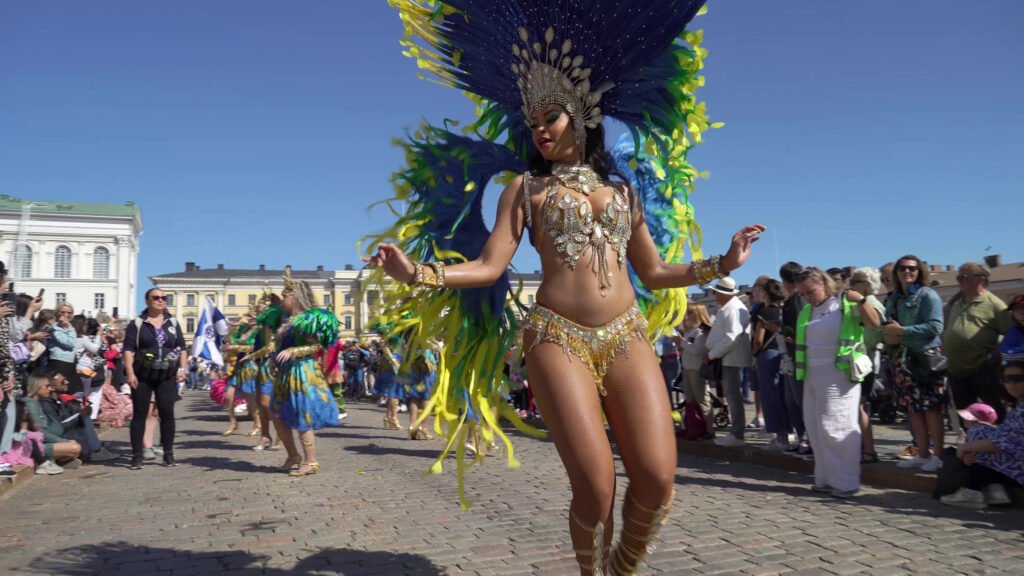
Brazil is renowned for its vibrant festivals and celebrations, which serve as a testament to the nation’s rich cultural heritage and communal spirit. Among these, Carnival stands out as the most iconic event, attracting millions of participants and spectators from around the world. This annual festival, held before Lent, is a lively showcase of samba music, elaborate parades, and flamboyant costumes. However, what truly captures the spirit of Carnival is its ability to create a sense of unity and joy among diverse communities, embodying the essence of living in the moment.
During Carnival, the streets become a canvas for exquisite artistry and expression, with samba schools competing to deliver the most captivating performances. Each performance is a collective effort, reflecting intricate choreography that celebrates Brazilian culture. This celebration allows individuals to momentarily escape their daily routines and immerse themselves in moments of pure joy and excitement, emphasizing the importance of seizing the day.
In addition to Carnival, another significant celebration is Festa Junina, which occurs in June and commemorates rural life and agricultural traditions in Brazil. With its roots in the feasts of St. John, the festival is characterized by traditional dances, folk music, and regional foods. People participate in joyous quadrilha dances, where couples dress in traditional costume, further highlighting the value of community engagement and shared experiences. These celebrations, through their music, dance, and collective merriment, remind Brazilians and visitors alike of the importance of living in the present—cherishing every moment amidst the laughter and festivities.
Culinary Experiences: Savoring Every Bite
In Brazil, the culinary landscape is a rich tapestry that reflects the nation’s diverse cultural influences and regional variations. Food is more than just sustenance; it is a medium through which people connect, celebrate, and share their lives. The emphasis on communal meals elevates dining into a sensory experience that invites mindfulness. This approach encourages individuals to savor every bite, fostering a deeper connection to both the food and those with whom it is shared.
Traditional Brazilian cuisine is characterized by its variety, with regional specialties such as feijoada, a hearty black bean stew with pork, and acarajé, a fried ball made from black-eyed peas filled with shrimp. Each dish tells a story of history and culture, often invoking memories of family gatherings where the aromas permeate the air, inviting everyone to the table. These meals are typically enjoyed at a leisurely pace, allowing diners to appreciate the vibrant flavors and textures that define Brazilian gastronomy.
The experience of sharing meals is integral to Brazilian culture. Family and friends come together to enjoy food as a collective experience, often lasting several hours. During these gatherings, conversations flow as freely as the drinks, reinforcing social bonds and enhancing the overall dining experience. This slower pace of dining embodies a form of mindfulness, encouraging participants to immerse themselves in the present moment and fully embrace the flavors on their plates.
As a result, Brazilian culinary experiences serve not only to nourish the body but also to engage the mind and spirit. They invite an appreciation for the moment, reminding us that there is beauty in every aspect of life, including how we choose to enjoy our meals. By adopting this mindset, one can discover the joys of culinary exploration while fostering a deeper understanding of Brazilian culture.
Challenges to Living in the Moment
Living in the moment is often seen as an ideal lifestyle, emphasizing mindfulness and the appreciation of the present. However, numerous challenges complicate this pursuit, particularly in a rapidly developing nation like Brazil. One of the primary obstacles is the significant economic disparity that permeates many aspects of Brazilian life. In a country where poverty and inequality are prevalent, many individuals find it difficult to focus on the present when basic needs remain unmet. The struggle to secure stable employment, access quality education, and afford healthcare can preoccupy minds, diverting attention from life’s immediate pleasures.
Moreover, urban stressors contribute to this challenge. The dynamic urban landscapes of cities such as São Paulo and Rio de Janeiro are characterized by congestion, noise, and an overwhelming pace of life. These factors can create a sense of urgency that hinders one’s ability to appreciate the moment. Many urban dwellers feel compelled to adhere to a relentless schedule filled with work commitments and social obligations, leaving little room for leisure or contemplation. This constant rush can foster a culture where individuals are not only distracted from living in the now but also pressured to constantly plan for future success.
Societal expectations further complicate this endeavor. In Brazil, the cultural narrative often stresses the importance of achievement and social status. As a result, many people may find themselves focusing on what they have yet to accomplish rather than enjoying their current experiences. This societal pressure to excel can lead to feelings of inadequacy and anxiety, making it challenging for individuals to fully engage with their surroundings. In summary, while the philosophy of living in the moment holds tremendous value, navigating economic pressures and societal expectations presents significant challenges for many Brazilians.
Mindfulness Practices Among Brazilians
In Brazil, mindfulness practices have become increasingly popular, as individuals seek a deeper connection to the present moment amidst the fast-paced nature of modern life. Among these practices, yoga and meditation stand out as transformative vehicles that foster mental clarity and emotional well-being. Brazilian yoga, influenced by both traditional and contemporary styles, draws on the country’s rich cultural heritage and diverse philosophies. As practitioners engage in postures and breathing exercises, they cultivate mindfulness, promoting awareness of their thoughts and emotions in a non-judgmental manner.
Meditation is another prevalent practice within Brazilian communities, offering individuals a chance to reconnect with themselves and their surroundings. Various forms of meditation are adopted, from focused attention to guided imagery, that serve to enhance mental focus and inner peace. Groups often gather for communal meditation sessions in parks or beaches, transforming these spaces into sanctuaries for reflection. This collective approach not only amplifies the benefits of meditation but also nurtures a sense of belonging and connection among participants.
Communal gatherings have also gained attention as a form of mindfulness practice in Brazil. Events such as drum circles, dance gatherings, or community festivals encourage people to immerse themselves in the present through shared experiences. These gatherings promote a cohesive social environment where individuals can engage mindfully with one another, celebrating connections and cultural expressions. The integration of music, dance, and collective creativity serves to heighten awareness and appreciation for the moment, reminding participants of the joy found in simply being.
Overall, the embrace of mindfulness practices in Brazil illustrates a broader movement toward present-moment awareness, aiding individuals in navigating life’s complexities. Through yoga, meditation, and communal gatherings, Brazilians are fostering an enriching connection to the present, which is vital for their overall well-being.
Conclusion: Lessons from Brazil on Living Fully
Throughout this exploration of Brazilian culture, we have come to appreciate the profound values that inform the Brazilian way of life, particularly the emphasis placed on living in the moment. The rich tapestry of experiences that characterize Brazilian living demonstrates a commitment to joy, community, and a relaxed approach to daily existence. This perspective invites us to reflect on our own lives and consider how we might embrace a similar ethos.
One of the vital lessons derived from Brazil is the importance of prioritizing relationships over rigid schedules. In a world often driven by productivity and achievement, Brazilians remind us to cherish the connections we forge with family and friends. Making time for social interactions, whether through shared meals, music, or communal gatherings, fosters a sense of belonging and enhances our overall well-being.
Moreover, embracing spontaneity is another hallmark of Brazilian culture that encourages us to live fully. The ability to adapt to changing circumstances and seize opportunities as they arise encourages a more vibrant existence. By letting go of strict plans and allowing some flexibility in our day-to-day activities, we open ourselves to new experiences that can enrich our lives.
This Brazilian perspective also invites us to appreciate the beauty of our surroundings, whether through lively street festivals, captivating music, or breathtaking natural wonders. Moments of mindfulness—being present and engaged with our environment—can lead to greater joy and fulfillment.
Incorporating these lessons into our daily lives may require an intentional shift in mindset, but the rewards are manifold. Whether we find ourselves in Brazil or elsewhere, embracing the richness of the present moment can lead to a more satisfying and meaningful existence. Ultimately, by adopting elements of the Brazilian philosophy of living fully, we can foster a deeper connection with ourselves and the world around us.