
Table of Contents

The Essence of Celebration in Brazil
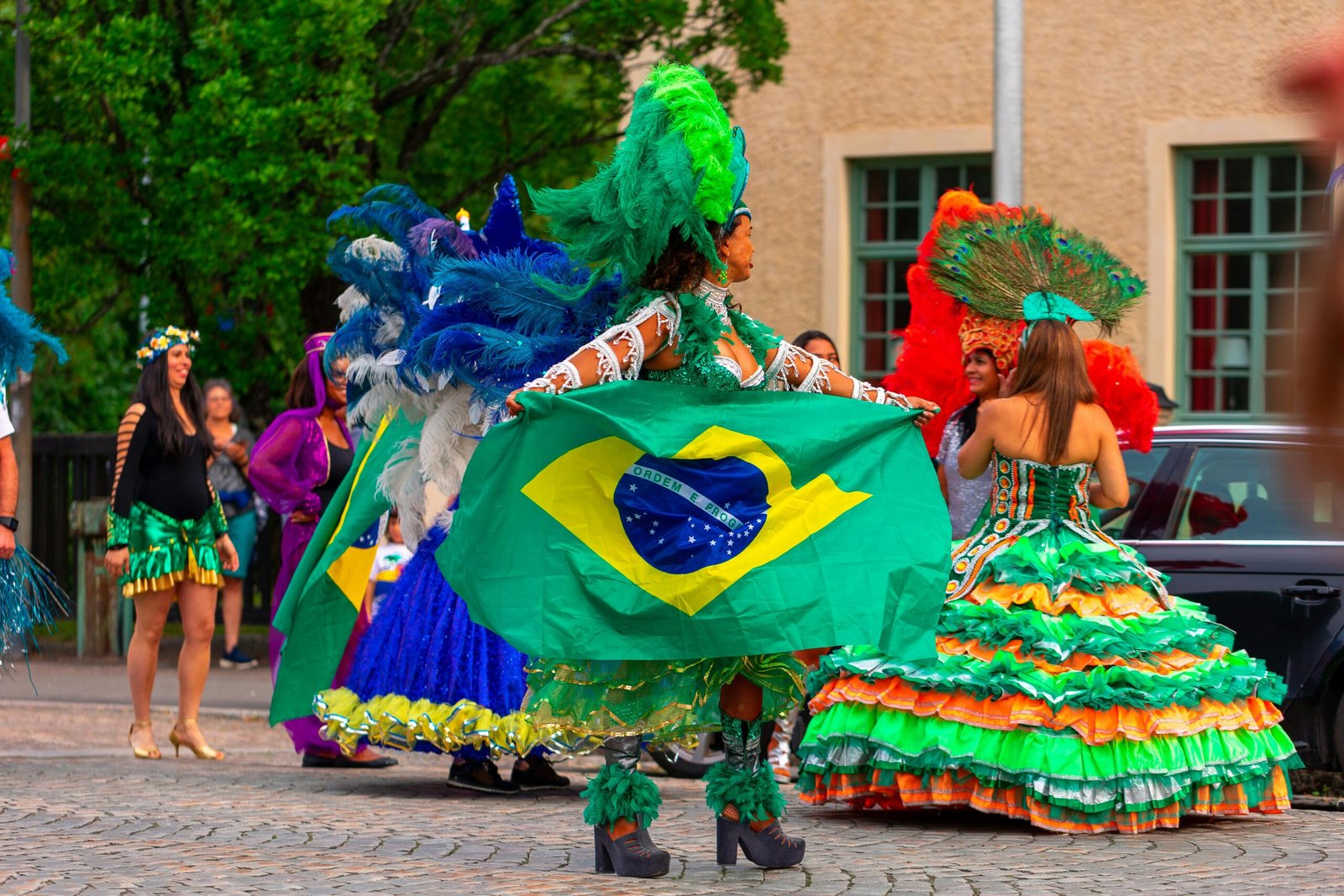
Brazil is a nation synonymous with vibrant celebrations and a rich tapestry of cultural traditions that breathe life into everyday moments. From the lively rhythm of samba during Carnival to the simple pleasure of gathering with friends and family over a home-cooked meal, the spirit of festivity permeates various aspects of Brazilian daily life. This unique culture of celebration is not merely confined to grand events; it is deeply embedded in the social fabric and is evident in small, seemingly mundane habits that collectively contribute to a larger experience of joy.
In Brazil, every occasion is an opportunity to celebrate, whether it is a national holiday, a birthday, or even a casual Thursday evening. The concept of festa, or celebration, extends beyond organized events, as Brazilians routinely find ways to rejoice in their daily lives. The act of sharing food, music, or heartfelt laughter with loved ones can transform an ordinary day into a memorable celebration. The communal nature of these gatherings fosters a sense of belonging and togetherness, transcending social boundaries and uniting people in happiness.
Moreover, Brazilian celebrations are characterized by their inclusivity, where friends, families, and neighbors come together, reaffirming the value of community. These moments of joy are not just personal milestones but shared experiences that enhance collective well-being. The frequency and enthusiasm with which Brazilians celebrate serve to reinforce their cultural identity and zest for life, turning everyday routines into cherished memories. Ultimately, embracing these small, joyous traditions plays a pivotal role in shaping the Brazilian lifestyle, highlighting how even the simplest actions can elevate our spirits and cultivate happiness.
The Morning Coffee Ritual
In Brazil, the morning coffee ritual, affectionately known as cafezinho, represents more than just a beverage; it is a cherished tradition that encapsulates the spirit of connection and joy. This small habit occurs in numerous households and workplaces across the country, serving as a cherished daily ceremony that initiates the day with warmth and camaraderie.
Cafezinho is characterized by its strong and sweet flavors, usually brewed in a simple yet effective manner. It is common for families to gather around the kitchen table to enjoy their morning cup, sharing stories and laughter as they sip their coffee. This ritual fosters a sense of togetherness; it is a moment to pause and reflect before the demands of the day take over. Even in the bustling environment of Brazilian workplaces, offering a cafezinho to colleagues is a customary practice that enhances workplace camaraderie and promotes a collaborative atmosphere.
The significance of this ritual extends beyond the physical act of drinking coffee. It signifies hospitality and camaraderie, reflecting the Brazilian culture’s emphasis on relationships and personal connections. As family members or friends engage in this ritual, they strengthen their bonds through shared experiences. In many ways, the act of preparing and serving coffee transcends mere consumption—it is a gesture of caring and a medium for expressing affection.

In conclusion, the morning coffee ritual of cafezinho not only energizes Brazilians for what lies ahead but also serves as a vital moment of connection, fostering joy and reinforcing bonds among family and colleagues alike. This simple yet significant habit enriches ordinary days, transforming them into meaningful celebrations of togetherness.
Embracing Family Gatherings
In Brazil, family gatherings are essential components of social life, often transcending mere get-togethers to become vibrant celebrations of togetherness, even for seemingly minor events. These familial assemblies emphasize the importance of connection and bonding, highlighting a cultural tendency to elevate ordinary days into cherished occasions. It is common for Brazilian families to host gatherings around typical events such as birthdays, anniversaries, or public holidays; however, the cultural significance extends to less formal occasions such as a new job, a child’s completion of a school semester, or even just a sunny weekend.
These gatherings, regardless of their magnitude or reason, are characterized by abundant laughter, delicious food, and the sharing of stories. Food plays a central role in these celebrations, showcasing a rich variety of traditional dishes that symbolize unity and generosity. Culinary offerings often include staples like feijoada (a hearty black bean stew) or fresh tropical fruits, which not only nourish but also serve as a means to bring families together. As family members share meals around the table, they engage in lively conversations—reminiscing about the past while nurturing bonds with one another.
Such events are marked not just by the food or shared stories but also by the joy of companionship. Children and adults alike contribute to the festivities, playing games, dancing to music, and enjoying each other’s company. These moments help in fortifying family ties and instilling a sense of belonging amongst relatives. The emphasis on family gatherings reflects the Brazilian belief that joy can be found in the simplest of moments, making even an average day a festive occasion. Ultimately, embracing family gatherings fosters a culture that values connection and the simple pleasures of life, transforming daily routines into memorable celebrations.
Celebrating Everyday Cuisine
In Brazil, the significance of food transcends mere sustenance; it is a cornerstone of cultural identity that binds families and communities together. Traditional Brazilian cuisine, rich in diversity and flavor, often transforms ordinary meals into moments of joy and celebration. This cultural perspective is exemplified in the preparation of dishes that are deeply rooted in regional heritage, where even a simple plate of rice and beans can evoke a sense of pride and belonging.
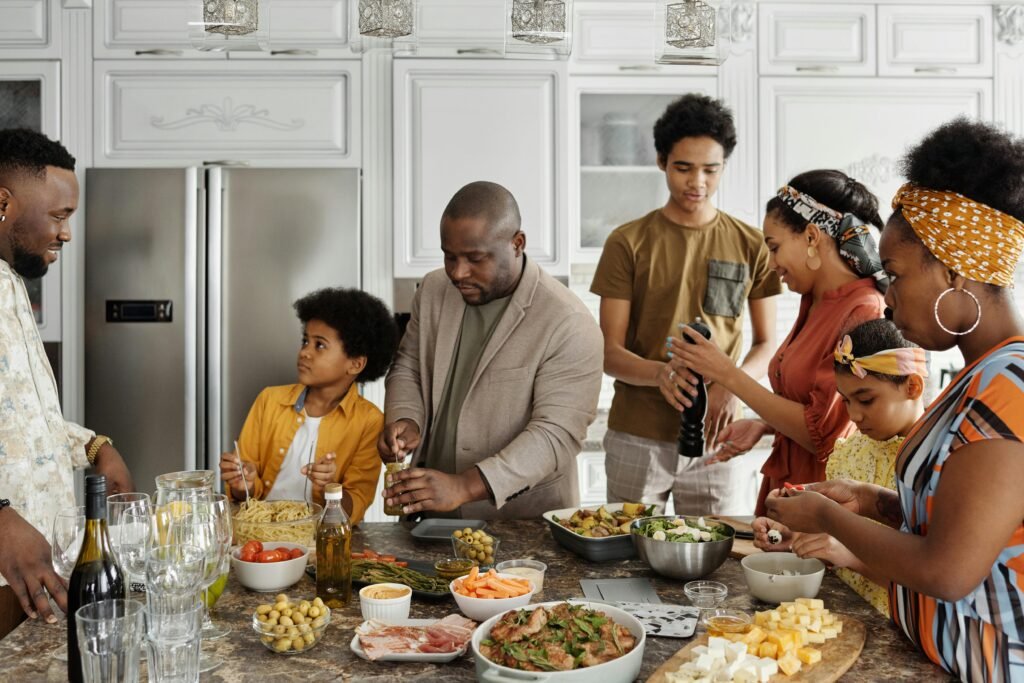
Each meal presents an opportunity for connection, as families gather around the table to share food, stories, and laughter. In Brazil, the practice of preparing meals is often regarded as a communal activity. Friends and family frequently come together not just to enjoy the food but to actively participate in its preparation, which can range from grilling skewers of meat at a barbecue to concocting regional specialties such as feijoada, a hearty black bean stew.
The ritual of sharing dishes emphasizes the importance of generosity in Brazilian culture. It is common for people to invite others to join them for meals, reinforcing social bonds. This custom of sharing extends beyond just the physical act of distributing food; it embodies a spirit of hospitality and warmth that enhances the enjoyment of not only the cuisine but the company itself. Whether it’s a festive gathering during a national holiday or an everyday lunch, the shared experience of enjoying homemade meals fosters a sense of community and celebration.
Moreover, many traditional Brazilian dishes undergo a transformation during meal preparation, as families might add their own twists or incorporate seasonal ingredients. This not only personalizes the meal but also improves its connection to family history and regional nuances, truly turning each everyday dining experience into a special celebration of culture and togetherness.
The Brazilian culture places a significant emphasis on socializing and building relationships outside of the workplace, a practice exemplified through after-work happy hours, commonly known as hora do rush. This time-honored tradition serves as an opportunity for colleagues and friends to come together over drinks and light fare, effectively turning an ordinary weekday into a joyful gathering. The concept revolves not merely around the consumption of beverages but also focuses on strengthening social bonds that foster camaraderie and teamwork within various organizations.
During these festive occasions, individuals often find relaxation after a long day at work, allowing them to unwind in a more casual atmosphere. Typical locations for these happy hours include bars and restaurants where a variety of drinks, such as beer and caipirinha, are offered alongside a selection of appetizers—ranging from savory snack foods to regional specialties. This aspect not only caters to diverse palates but also enhances the richness of the experience and encourages the practice of sharing, thereby promoting deeper connections.
Moreover, the practice of gathering after work contributes positively to work-life balance, enabling individuals to separate professional obligations from personal enjoyment. By engaging in conversations that are often unrelated to work, employees can recharge their mental and emotional well-being, leading to improved productivity and workplace morale. The spirited environment of a happy hour encourages laughter and light-heartedness, allowing participants to celebrate both their individual accomplishments and collective milestones.
Ultimately, the Brazilian after-work happy hour serves as a vibrant reminder of the importance of socialization in everyday life, setting a standard for how even the simplest days can be transformed into special occasions filled with joy and community.
The Joy of Holidays and Local Festivals
Brazilian culture is renowned for its vibrant celebrations, which often transform ordinary days into delightful festivities. The joyful spirit of Brazilian holidays resonates deeply within the communities, making even seemingly minor events a reason for exuberant celebrations. Every year, various local festivals highlight this penchant for festivity, showcasing the rich cultural tapestry of Brazil.
One of the most famous examples is Festa Junina, celebrated throughout the month of June. This festival pays homage to rural traditions, with colorful decorations, traditional attire, and an assortment of delicious foods such as pamonha and quentão. It promotes a sense of community through dancing, games, and lively music, making it a cherished occasion for families and friends. The festivities typically include quadrilha dance, where participants dress in country-style attire, engaging in choreographed performances that reflect the joyous nature of the event.
Beyond Festa Junina, Brazil is home to numerous local festivals that capture the essence of its cultural diversity. From Parintins Folklore Festival in the Amazonas to the Carnival celebrations in various cities, these events symbolize the creativity and unity present within Brazilian society. Each festival possesses its unique flair and often integrates local customs, enabling communities to display their pride and heritage. The infectious enthusiasm of participants and spectators alike ensures that the spirit of these festivities persists throughout the year.
In summary, Brazilian holidays and local festivals transcend mere observances; they are integral to the community’s identity. By celebrating shared values and traditions, these events create an atmosphere of joy and belonging, drawing individuals together and fostering connections that last long after the festivities have concluded.

Music and Dance in Daily Life
In Brazil, music and dance are not merely forms of entertainment; they are integral components of daily life that turn ordinary moments into vibrant celebrations. The rich tapestry of Brazilian culture is deeply interwoven with diverse musical genres, including samba, bossa nova, forró, and frevo, each reflecting the unique regional identities and histories of the country. Music accompanies various activities throughout the day, from lively gatherings with family and friends to relaxing moments at home, creating a festive atmosphere in even the simplest of interactions.
The ritual of incorporating music into daily routines is prevalent across all age groups and social classes. For many Brazilians, starting the day with upbeat tunes during breakfast or listening to a favorite playlist while commuting is a common practice. This cheerful integration of sound not only uplifts spirits but also fosters a sense of togetherness within communities. Moreover, spontaneous dance breaks, often inspired by rhythmic beats, can occur anytime and anywhere—whether in a bustling street, a neighborhood park, or right in one’s living room. Such moments of dance exemplify the Brazilian philosophy of celebrating life and embracing joy.
Creating Moments of Celebration with Friends
Brazilians possess a unique ability to turn even the most ordinary days into jubilant celebrations through their deep-rooted friendships and communal spirit. The importance of social connections in Brazil is evident in how friends gather, not just during significant occasions but also for spontaneous get-togethers, transforming mundane moments into cherished memories. Whether it is a simple barbecue in the backyard, a casual gathering at a local bar, or an afternoon coffee at a friend’s house, these encounters are typically filled with warmth, laughter, and shared joy.
What distinguishes these celebrations from the more traditional festive occasions is their casual yet vibrant nature. Brazilians embrace the idea that every meeting with friends has the potential to be festive—a late-night conversation, a shared meal, or even a brief visit can all serve as opportunities to celebrate life and friendship. These gatherings often involve traditional foods, music, and even dance, contributing to an atmosphere that honors shared moments and strengthens bonds.
Moreover, the Brazilians’ intrinsic understanding of community plays a crucial role in their approach to celebrations. Each gathering—planned or spontaneous—emphasizes the value of togetherness, reminding individuals of the importance of nurturing friendships. This communal aspect allows for a shared experience where discussions flow freely, and stories are swapped, galvanizing social ties. Ultimately, this culture highlights how friendship, laughter, and shared experiences elevate the day-to-day life in Brazil into something extraordinary.
The beauty of these celebrations lies not in grand gestures but in the simple act of coming together. It showcases the Brazilian philosophy that every day warrants a reason to celebrate, thereby fostering an atmosphere of joy, unity, and connection among friends.
Conclusion: Finding Joy in Simple Things
Celebration in Brazilian culture transcends beyond momentous occasions and grand festivities; it often lies in the mundane and simple practices that add color to everyday life. While large events such as Carnival capture international attention, it is the smaller, more intimate rituals, such as gatherings with family over a shared meal or enjoying music in a local park, that truly reflect the essence of Brazilian joy. These moments are a testament to the idea that life’s happiness often resides in our daily habits.
By embracing these small yet significant practices, individuals can cultivate a deeper appreciation for their own lives. Whether it is a simple coffee break with friends, a walk through a vibrant neighborhood, or the act of unwinding with music, the invitation is to infuse your routine with a celebratory spirit. This perspective encourages not just Brazilians, but people from all backgrounds, to recognize and honor the beauty found in the ordinary.
Incorporating joyful habits into daily routines fosters a sense of community and connection. For example, sharing meals or engaging in traditional festivities, no matter how trivial they may seem, strengthens bonds with others and creates lasting memories. The act of celebrating small victories or taking time to appreciate one’s surroundings can serve as a powerful reminder of the joy that exists in life’s subtleties.
In conclusion, cultivating a mindset that cherishes these everyday moments can significantly enhance one’s overall happiness. By finding joy in the simple things, we invite a celebration of life that resonates deeply, encouraging a well-rounded approach to gratitude and fulfillment. So, as you navigate your daily life, take a moment to pause and celebrate the small things; therein lies the true spirit of joy.