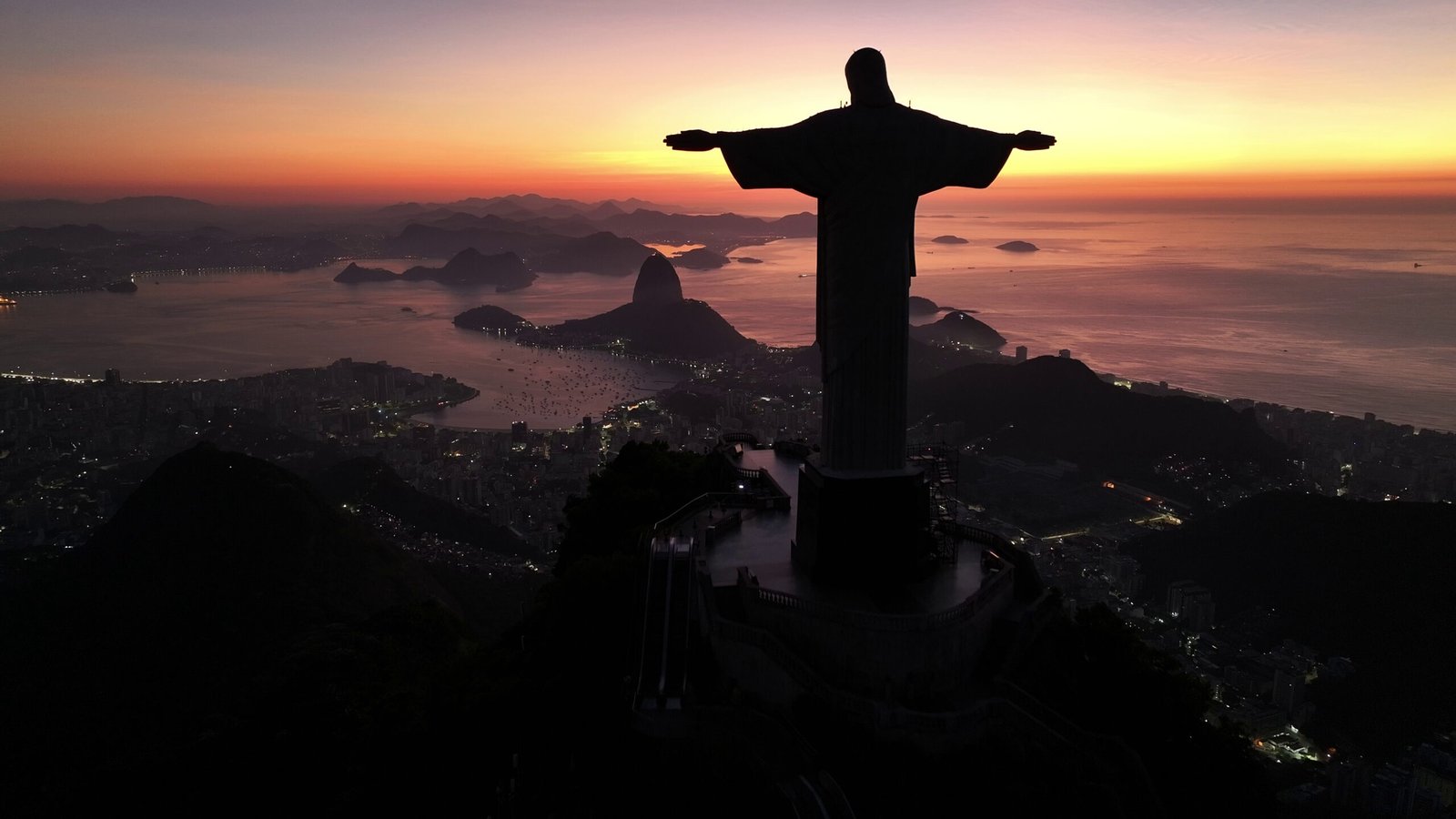

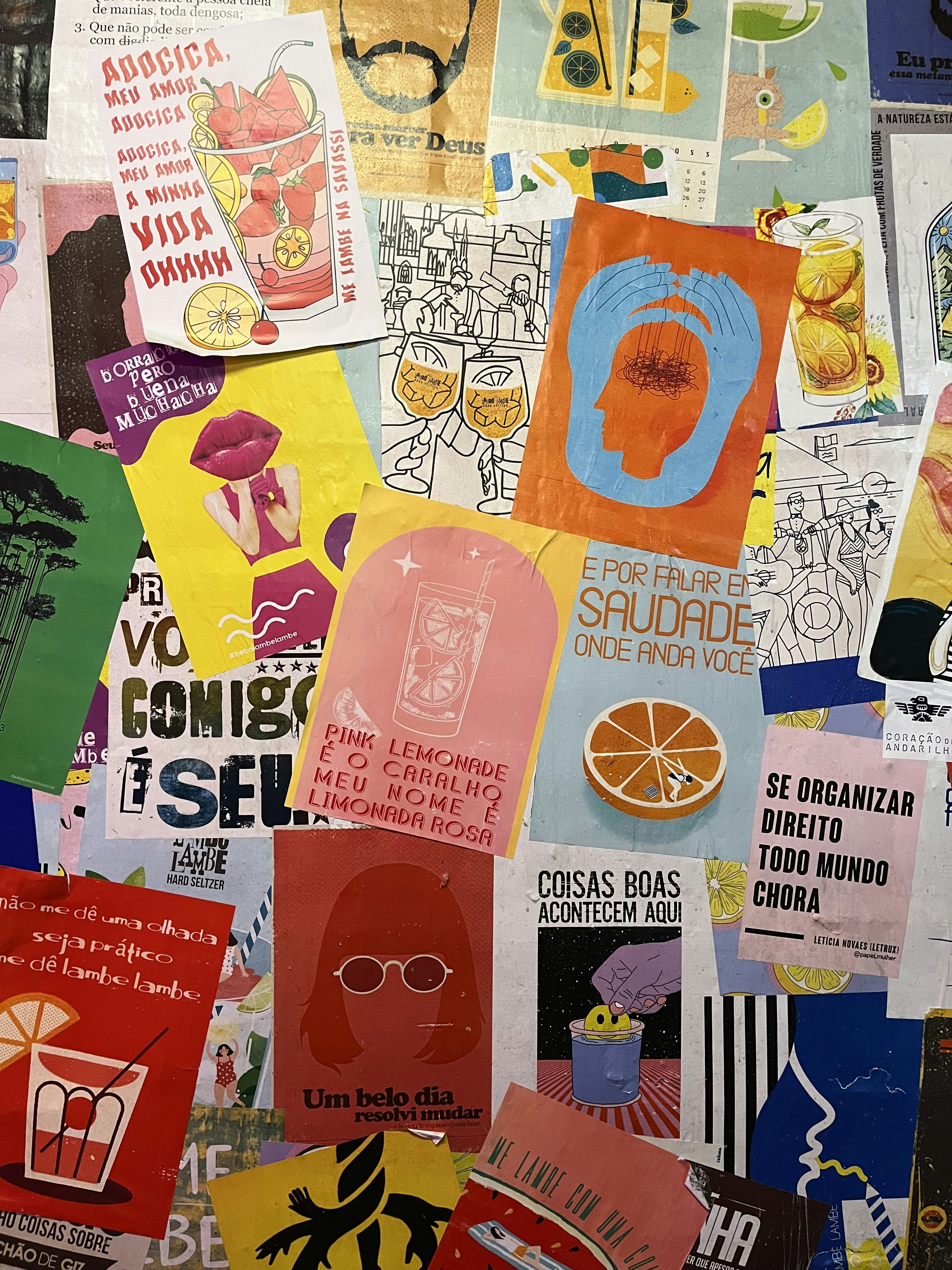
Introduction to Brazilian Creativity
Brazilian culture is renowned for its vibrant and multifaceted expressions of creativity, which serve as critical components of the nation’s identity. The rich tapestry of Brazilian creativity can be seen across various domains, including art, music, literature, and daily life. This distinctive creativity is influenced by a plethora of factors such as regional diversity, historical context, and the blending of indigenous, African, and European cultures. Each of these elements contributes to a unique artistic landscape that reflects the aspirations, struggles, and joys of its people.
In the realm of visual arts, Brazilian creativity is evident in the works of both established and emerging artists. The country has produced world-renowned figures such as Tarsila do Amaral and Vik Muniz, whose innovative approaches have garnered international acclaim. Contemporary Brazilian artists often draw inspiration from local traditions while incorporating modern techniques, resulting in art that is both rooted in history and forward-looking.
Brazilian music, a universal language, expresses the heart and soul of the nation. Genres such as samba, bossa nova, and forró not only showcase rhythmic and melodic ingenuity but also encapsulate the country’s social issues and cultural narratives. Music festivals and local gatherings play a vital role in promoting these genres, fostering community spirit and celebration of authentic Brazilian creativity.
Literature in Brazil also serves as a reflection of its creative spirit. Writers like Jorge Amado and Clarice Lispector delve into the complexities of Brazilian life, weaving narratives that provoke thought and evoke emotion. Their works often address themes such as inequality, love, and hope, underscoring the significance of storytelling in Brazilian culture.
The creative expressions found in Brazilian daily life, from culinary arts to festive traditions, further emphasize the importance of creativity in shaping societal values and communal relationships. Brazilian cuisine, for instance, is an art form that showcases the country’s agricultural diversity and the amalgamation of cultures, enhancing the richness of its culinary landscape.
Art and Visual Creativity
Brazil’s rich tapestry of art and visual creativity reflects its diverse cultural heritage, stemming from indigenous roots to contemporary expressions. Traditional indigenous art, characterized by its vibrant colors and intricate designs, showcases the unique perspectives and philosophies of Brazil’s native peoples. This art form often utilizes natural resources, such as plant dyes and organic materials, to create pottery, body paint, and intricate textile patterns, which speak to centuries of cultural significance.
As Brazil underwent socioeconomic changes, new artistic movements began to emerge, reflecting the country’s evolving identity. One prominent movement is the Brazilian Modernism of the early 20th century, with pivotal figures such as Tarsila do Amaral and Oswaldo Guyasamín reshaping visual arts. Tarsila’s iconic works, such as “Abaporu,” not only challenged European artistic norms but also embraced elements of Brazilian folklore and landscapes, celebrating the country’s unique identity.
Contemporary Brazilian artists continue to draw inspiration from the nation’s landscapes and pressing social issues. For instance, artist Vik Muniz utilizes photography and mixed media to confront themes of poverty and social inequality. His works often incorporate materials sourced from the very communities he aims to represent, fostering a dialogue on the intersection of art and activism. Additionally, the burgeoning street art scene, exemplified by artists such as Eduardo Kobra and Os Gêmeos, transforms urban spaces into vibrant galleries, reflecting the energy and struggles of Brazilian society.
Overall, the art and visual creativity found in Brazil illustrate a dynamic interplay between tradition and modernity, where various influences converge to form a unique artistic expression. This ongoing dialogue reflects not only individual creativity but also the collective experiences of a nation rich in culture and diversity.
The Musical Tapestry of Brazil
Brazil’s musical heritage is a rich and vibrant mosaic, reflecting the diverse cultural influences that have shaped the nation throughout its history. This tapestry of sound encompasses various genres, among which Samba, Bossa Nova, and Forró stand out as iconic representations of Brazilian musical expression. Each genre tells a story, bridging the gap between heritage and modern influences, while serving as a means of connection among communities.
Samba, perhaps the most recognized genre globally, originated from the Afro-Brazilian communities of Rio de Janeiro. Characterized by its infectious rhythms and lively dance, Samba has evolved into a symbol of Brazilian identity. It encapsulates the spirit of celebration, particularly evident during the Carnival season when entire cities are transformed into lively parades, showcasing not only the music but also the artistry and cultural pride of Brazil. The genre’s roots in African traditions play a crucial role in its emotional depth, encouraging solidarity and community amongst those who participate.
Bossa Nova emerged in the late 1950s as a softer, jazz-infused counterpart to the exuberance of Samba. This genre holds a profound significance in urban settings, embodying the complexities of Brazilian life with its smooth melodies and introspective lyrics. Composers like Tom Jobim and Vinicius de Moraes contributed to Bossa Nova’s international acclaim, allowing it to resonate with audiences far beyond Brazil’s borders. Music like this evokes nostalgia and contemplation, frequently addressing themes related to love, longing, and social change.
Forró, with its origins in the rural Northeast, showcases yet another facet of Brazilian music, characterized by an upbeat tempo and traditional instruments such as the accordion and zabumba. Celebrated during festive gatherings, Forró promotes shared joy and resilience among its practitioners, often acting as a unifying force in local culture. This genre’s appeal lies in its ability to foster a sense of belonging within communities, reflecting broader societal narratives through its rhythms and lyrics.
Overall, Brazilian music is more than mere entertainment; it is a powerful vehicle for cultural expression and social connection that resonates deeply within the hearts of its people, marking the enduring influence of creativity within the nation.
Literature: A Reflection of Brazilian Society
Brazilian literature has long served as a powerful lens through which the complexities of its society can be examined. The works of notable writers such as Machado de Assis, Clarice Lispector, and Jorge Amado have contributed significantly to the rich tapestry of Brazilian culture, offering profound insights into the themes of identity, social equality, and the intricacies of personal experience.
The literary landscape in Brazil is marked by its ability to reflect the diverse experiences of its people. For instance, the themes of identity are prevalent in many works, wherein authors explore the multifaceted nature of what it means to be Brazilian. These explorations often traverse racial, cultural, and social divides, highlighting the ongoing dialogue about national identity amidst a backdrop of historical changes and challenges.
Moreover, Brazilian authors have not shied away from addressing social inequalities, an aspect that remains relevant in the contemporary discourse. Literary works frequently depict the struggles of marginalized communities, including indigenous populations and the urban poor, thus serving as a platform for voicing their realities. This ability to amplify the voices of the underrepresented enriches national conversations and invites readers to reflect on their societal roles.
Additionally, personal experiences expressed in literature resonate deeply with audiences, offering readers a way to connect with the narratives on an emotional level. The intimate portrayal of characters navigating their lives often mirrors the broader societal issues faced by Brazilians, fostering a sense of shared experience that is both relatable and enlightening.
In light of these contributions, literature emerges as a vital tool not only for storytelling but also for catalyzing social change within Brazilian society. By encouraging reflection and dialogue, literature becomes a transformative force, urging individuals to consider their positions within the cultural and social fabric of Brazil.
Dance holds a vital place in Brazilian culture, serving as a rich form of artistic expression that communicates emotions, history, and identity. Renowned for its vibrancy, Brazilian dance encompasses various styles, with Samba and Capoeira being two of the most recognized forms. Samba, often characterized by its rhythmic beats and energetic movements, originates from Afro-Brazilian roots and has become synonymous with Brazilian festivities, particularly during Carnival. This exuberant dance allows individuals to connect deeply with their heritage, fostering a sense of belonging and community.
Capoeira, on the other hand, is not merely a dance; it is a blend of martial arts, music, and inclusivity, rooted in the struggles of enslaved Africans. Its fluid movements and playful interactions between participants symbolize resilience and creativity, offering a powerful lens through which to understand Brazilian history. Together, these dance forms play a crucial role in preserving oral traditions, as they are passed down through generations, ensuring that the stories, struggles, and celebrations of the Brazilian people are not forgotten.
Moreover, dance in Brazil transcends mere performance; it serves as a communal activity that brings people together beyond the stage. In local neighborhoods and festivals, dance acts as a social glue, allowing individuals from diverse backgrounds to unite in rhythm and movement. This collaborative aspect reinforces cultural identity, providing a platform for voices and expressions that might otherwise go unheard. Brazilian dance reflects the dynamic fusion of cultures—indigenous, African, and European—contributing to the country’s unique artistic identity.
In conclusion, dance in Brazil is much more than an art form; it is a manifestation of the country’s creative spirit and collective memory, connecting communities and preserving the rich tapestry of its historical narratives.
Architecture and Urban Creativity
The architectural landscape of Brazil is a vibrant tapestry that reflects the rich cultural heritage and evolution of the nation. From the colonial period, marked by Portuguese influences, to the modernist movements of the 20th century, Brazilian architecture showcases a unique blend of styles that narrate the story of its people. Early colonial architecture was characterized by baroque details and the utilization of local materials, seen prominently in churches and public buildings. Examples such as the São Francisco Church in Salvador da Bahia exemplify the ornate designs of this era, serving both religious and social functions.
As Brazil moved into the modernist era, the architectural scene transformed dramatically. The works of renowned architects like Oscar Niemeyer revolutionized urban landscapes, prominently featured in the design of Brasília, the capital city founded in 1960. Niemeyer’s innovative use of curves and his belief in the artistic potential of concrete redefined not only Brazilian architecture but also had a lasting influence on global design. Brasília’s unique layout symbolizes not just a city, but an aspirational vision of progress and national identity.
Furthermore, the architectural creativity of Brazil is not confined to its history; it is continuously evolving. The integration of sustainable design practices and the incorporation of technology in contemporary architecture reflect a society that is increasingly aware of its environmental impact. Structures such as the Museu do Amanhã in Rio de Janeiro epitomize this fusion of modern design with ecological responsibility, indicating a shift towards a more informed architectural practice.
In summary, the evolution of architecture in Brazil encapsulates a myriad of influences and represents the dynamic spirit of its culture. Each architectural style offers insight into the historical context and societal values of its time, ensuring that the creativity embedded in these structures will continue to resonate within Brazilian society and beyond.
Festivals: A Celebration of Creative Expression
Brazil is renowned for its vibrant festivals, which serve as a testament to the country’s rich tapestry of culture and creativity. Among these, Carnival stands out as the most prominent celebration, attracting millions of visitors and participants from around the globe. This festival showcases an extraordinary amalgamation of music, dance, and elaborate costumes, underscoring Brazil’s skillful artistry and passion for creative expression. Carnival is not just a festival; it is a cultural phenomenon that embodies the spirit of the Brazilian people, leading to a fusion of African, indigenous, and European influences.
Equally significant is Festa Junina, a festival celebrated in June that honors rural traditions and folk culture. This event includes traditional dances, such as quadrilha, along with the enjoyment of typical foods like corn and peanuts. The incorporation of regional music and attire further highlights Brazil’s diversity, allowing communities to celebrate their unique heritage. The creative expressions observed in Festa Junina reflect the country’s agricultural roots and the importance of family and community ties.
Both Carnival and Festa Junina play pivotal roles in preserving Brazil’s cultural identity while inviting artistic innovations. These festivals create spaces where local artisans and performers can showcase their talents, enriching the cultural landscape with new interpretations of traditional practices. The role of artistic expression in these events fosters not only entertainment but also social cohesion, as participants engage in shared cultural narratives. By embracing creativity, these festivals serve as platforms for dialogue, mutual respect, and cultural understanding across different segments of society.
Indigenous Influence on Brazilian Creativity
Indigenous cultures have significantly shaped the creative landscape of Brazil, intertwining their traditions with contemporary artistic forms. The indigenous influence is evident in various domains, including visual arts, literature, music, and performance. Brazilian artists often draw upon the rich tapestry of indigenous stories, symbols, and practices, reinterpreting them in ways that resonate with modern audiences.
One of the most notable manifestations of indigenous influence is in the visual arts, where traditional techniques and motifs are incorporated into contemporary works. Artists such as Berthe Morisot and Tarsila do Amaral have embraced the vibrant colors and patterns reminiscent of indigenous body painting and textiles. These elements not only celebrate Brazil’s diverse cultural heritage but also highlight the importance of indigenous perspectives in contemporary art discourse.
Moreover, the storytelling traditions of indigenous groups contribute richly to Brazilian literature. Authors like Joâo Guimarães Rosa have infused their narratives with indigenous myths and legends, exploring themes such as the connection to nature and the spirit world. This blending of indigenous lore with literary expression has fostered a unique narrative style that reflects the multifaceted identity of Brazilian culture.
In the realm of music and dance, indigenous rhythms and sounds play a vital role. Contemporary Brazilian musicians often incorporate indigenous instruments and musical scales, bridging the gap between traditional and modern genres. This melding of sounds not only showcases the richness of Brazil’s indigenous musical heritage but also enhances the overall auditory experience for listeners.
In summary, the influence of indigenous cultures on Brazilian creativity is profound and far-reaching. From the visual arts to literature and music, the enduring impact of indigenous traditions serves to enrich the creative landscape of Brazil, ensuring that these ancient practices are celebrated and remembered in contemporary contexts.
The Future of Creativity in Brazil
As we look to the future of creativity in Brazil, it is evident that the intersection of technology, globalization, and cultural shifts will play a critical role in shaping new artistic expressions. Brazil, a nation rich in diversity and creativity, is continuously evolving, and this evolution is increasingly informed by global influences and technological advancements.
Digital platforms have become vital for artists and creators, allowing them to reach broader audiences and engage with global dialogues. The rise of social media, streaming services, and online galleries empowers Brazilian artists to showcase their work beyond geographical confines. Emerging technologies such as virtual reality and augmented reality are also opening new frontiers for artistic expression, inviting innovative approaches to storytelling and immersive experiences.
Additionally, globalization fosters a cross-cultural exchange that infuses Brazilian creativity with international styles and practices. While the essence of Brazilian identity, shaped by its historical and cultural heritage, remains intact, there is a growing fusion of traditional and contemporary influences. This synthesis not only enriches the creative landscape but also reflects the dynamic nature of Brazilian culture, emphasizing adaptability while honoring its roots.
Moreover, cultural shifts, driven by societal changes and emerging conversations around identity, inclusivity, and sustainability, serve as a catalyst for new forms of artistic expression. Artists are increasingly addressing contemporary issues, engaging in dialogues about social justice, environmental concerns, and personal narratives through their work. This orientation towards relevance indicates a forward-thinking approach to creativity, ensuring that Brazilian art retains both its vibrancy and its responsiveness to current contexts.
Thus, the future of creativity in Brazil promises to be an intricate tapestry woven from traditional elements and modern innovations. As technology continues to advance and cultural boundaries blur, Brazilian artists will undoubtedly explore uncharted territories, cultivating a rich and evolving creative identity for generations to come.