Table of Contents
Introduction to Brazilian Warmth
The concept of warmth in Brazilian culture transcends mere temperature; it embodies the spirit of interpersonal relationships and social connectivity that permeate everyday life. This unique cultural trait is prominently reflected in the casual yet genuine interactions among individuals in various settings, from bustling urban centers to quiet rural locales. Brazilians typically exhibit an amiable demeanor that fosters a sense of belonging and camaraderie, regardless of the social context.
Warmth is not merely a characteristic of Brazilian culture but a foundational aspect of social interaction. In Brazil, the importance of human connection is deeply ingrained; individuals often prioritize relationships over formalities. The culture encourages people to connect on a personal level, which is evident in the frequent use of affectionate terms, friendly greetings, and the physical closeness common among friends and family. Such interactions cultivate a sense of collective identity and make social gatherings exceedingly welcoming.
This harmonious approach to social relationships highlights the easygoing rules that guide Brazilian interactions, inviting people into a realm where compassion and understanding take precedence. The significance of these unwritten rules cannot be overstated, as they contribute to a vibrant societal framework that celebrates interconnectedness. Visitors and newcomers in Brazil may find themselves initially captivated by this warm embrace of community, showcasing the nation’s innate ability to make others feel at home.
As we delve deeper into the social fabric that characterizes Brazilian life, we will explore how these easygoing social rules manifest in various aspects of daily interaction, ultimately enriching the lives of those who practice them. Understanding and appreciating this warmth provides invaluable insights into Brazilian culture and its emphasis on social harmony.

Embracing Informality and Casualness
Informality and casualness are hallmark characteristics that define social interactions in Brazil, contributing significantly to the warmth and vibrancy of Brazilian life. This easygoing approach to social relations is evident in the manner in which individuals communicate with one another, often adopting first-name basis relationships irrespective of age, status, or professional hierarchy. Such casualness encourages a sense of equality and closeness among individuals, fostering an inviting atmosphere where conversations flow freely.
In Brazil, the use of first names is not reserved for intimate friends or family members alone; it is a common practice among colleagues and even with acquaintances met in social settings. This approach diminishes the boundaries typically established in more formal cultures, making it easier for individuals to connect personally and build rapport. The absence of strict formalities gives way to a richer environment for interpersonal exchanges, allowing for a greater expression of warmth and friendliness.
The conversational style in Brazil further reflects this informality. Dialogue often occurs in a relaxed manner, with people engaging in casual chit-chat that may deviate from the primary topic at hand. Humor, anecdotes, and shared experiences frequently punctuate interactions, making them more enjoyable and engaging for everyone involved. As a result, both locals and visitors often leave conversations feeling uplifted and more connected.
Ultimately, this embrace of informality in Brazilian culture creates a welcoming social environment, where relationships are nurtured and flourished. Whether at a family gathering, a casual meeting with friends, or a professional encounter, the lightheartedness of Brazilian interactions enables a strong sense of community and belonging. In this way, the easygoing social rules of Brazil not only enrich individual experiences but also strengthen the fabric of the broader society.
The Role of Body Language and Physical Touch
In Brazil, the role of body language and physical touch is pivotal in shaping social interactions and fostering relationships. Non-verbal communication, including gestures and facial expressions, conveys emotions and intentions far beyond verbal exchanges. This cultural emphasis on physical presence and expressiveness contributes to the warm and inviting atmosphere that characterizes Brazilian life.
Gestures are an essential aspect of communication in Brazil. For instance, hand movements can amplify spoken words, providing emphasis and clarity to what is being conveyed. A simple wave or a nod may not only serve as greetings but also function as acknowledgments of engagement in conversations. Moreover, facial expressions are equally significant, as they allow individuals to express enthusiasm, empathy, and understanding without uttering a single word. Such forms of body language reinforce connections and help establish rapport among individuals.
Physical touch is another crucial element within the Brazilian social context. Unlike many cultures that might prioritize personal space, Brazilians are generally more tactile, often employing touch as a means of expressing warmth and camaraderie. Hugs and kisses on the cheeks, for example, are common social rituals when meeting friends or acquaintances. This practice effectively breaks down barriers and fosters a sense of intimacy, allowing people to feel more connected with one another.
Moreover, the frequency and context of physical touch can vary depending on the individual and the relationship. Close friends and family often exhibit more significant physical affection, while interactions with acquaintances may involve lighter touches. Understanding these nuances is crucial for navigating social relationships in Brazil, where the ability to read body language and respond accordingly plays a key role in forging strong connections.
Hospitality and the Culture of Sharing
In Brazil, hospitality is not simply a trait but an essential aspect of the culture that shapes interpersonal relationships. The Brazilian inclination towards warmth and friendliness manifests in numerous forms, one of the most prominent being the tradition of sharing food and drinks. It is common for Brazilians to offer guests a wide array of local dishes and beverages, signifying their eagerness to make others feel at home.
Food in Brazil serves as a language of its own, bridging gaps between individuals and fostering connections. When Brazilians invite friends or family over, they often prepare a sumptuous meal, showcasing not only their culinary skills but also their appreciation and respect for their guests. It is customary for hosts to offer a variety of dishes, reflecting the rich diversity of Brazilian cuisine, which is influenced by indigenous, African, and European traditions. This practice enhances social bonds and cultivates a welcoming atmosphere, contributing significantly to the warm, vibrant Brazilian lifestyle.
Moreover, the offering of drinks, especially traditional beverages such as caipirinhas or iced mate, accentuates the culture of sharing. Such gestures create an inclusive environment where guests feel valued, and friendships are fortified. This ritual of sharing extends beyond mere hospitality; it embodies the essence of Brazilian sociability, where communal experiences are cherished and celebrated.
The simple act of sharing not only strengthens existing relationships but also invites new connections, emphasizing a sense of belonging within communities. It is through these practices that Brazilians nurture their social fabric, underscoring the importance of togetherness in everyday life. This culture of hospitality, deeply ingrained in Brazilian society, invites individuals to partake in the joys of companionship, fostering a lifestyle that is truly warm and inviting.
The Joy of Social Gatherings and Brazilian Festivities
Brazilian culture is rich and diverse, significantly characterized by the vibrant social gatherings that form the backbone of community life. These informal meet-ups include family reunions, friends’ get-togethers, and grand festivals, each playing an essential role in fostering connections among individuals. In Brazil, social gatherings are more than just events; they are a manifestation of the country’s warm-hearted spirit and easygoing nature.
Family reunions often serve as an integral part of Brazilian life. These gatherings can range from a simple Sunday lunch to expansive celebrations during holidays, where relatives come together to share traditional dishes, laughter, and stories. The focus during these events is on connection rather than formalities, allowing family members to relax, bond, and engage in heartfelt conversations. This warmth defines the essence of Brazilian familial relationships, emphasizing unity and love.
Similarly, get-togethers among friends encapsulate the friendly and laid-back attitudes prevalent in Brazilian society. They provide essential opportunities for people to unwind after a long week, often revolving around barbecues, music, and dance. The rules governing these gatherings are simple and straightforward—everyone is welcome, and no one is left behind. Such inclusiveness contributes to the strong sense of community that many Brazilians cherish.
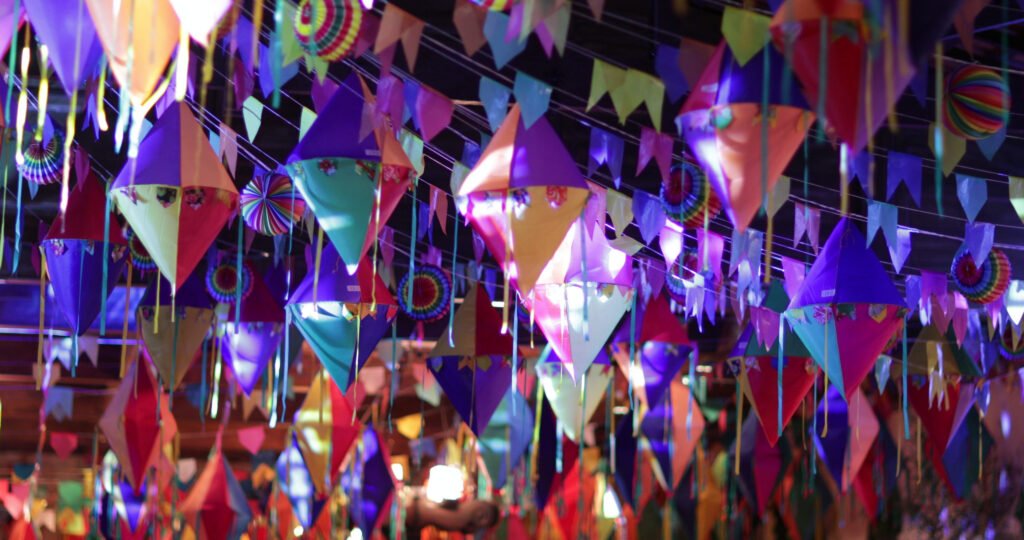
Festivals are another significant aspect of Brazilian social life, with events like Carnaval and Festa Junina drawing immense crowds and showcasing the nation’s colorful traditions. During these celebrations, the spirit of camaraderie is palpable, as people unite from diverse backgrounds to partake in the joy of dance, music, and vibrant costumes. These festivals highlight Brazil’s cultural wealth while further enriching the social fabric of its communities.
Ultimately, the joy of social gatherings in Brazil lies in their simplicity and openness, reflecting a society that values human connections above all else.
Respecting Personal Space and Social Boundaries
In Brazilian culture, the concept of personal space diverges significantly from many cultures, particularly those in the Western world. While cultures such as the United States typically emphasize a more defined personal bubble, Brazilians often display a more fluid understanding of social boundaries. The distance maintained during conversations is generally closer in Brazil, reflecting an inherent warmth and an open-hearted nature that characterizes social interactions.
This approach fosters an environment where expressions of friendliness and engagement are paramount. Brazilians commonly greet friends and acquaintances with physical gestures such as hugs or kisses on the cheek, showcasing their inclination towards intimacy in social exchanges. This! fluidity in personal boundaries not only helps in establishing rapport but also facilitates deeper connections, as interactions tend to be animated and expressive. It is important, however, for visitors to remain respectful and observant of these social norms to avoid misunderstandings.
Moreover, understanding the intricacies of personal space in Brazil might also require sensitivity to context. For instance, in formal situations, individuals may adhere more strictly to conventional boundaries, whereas in casual settings, the relaxed approach prevails. This adaptability highlights a unique aspect of Brazilian society, which embraces relational openness while still recognizing the need for respect in different social hierarchies. Overall, the Brazilian approach to personal space exemplifies a culture that prioritizes human connection and sociability, marking a distinct contrast to cultures where individualism reigns.
The Importance of Expressive Communication
In Brazil, communication transcends mere exchange of words; it embodies an expressive style that creates a warm and inviting atmosphere. This approach is characterized by humor, storytelling, and animated expressions, which collectively enrich social interactions. The Brazilian way of communicating is often spontaneous and lively, deeply rooted in the culture that values relationships and community.
Humor plays a pivotal role in Brazilian conversations. Jokes and light-hearted banter are frequently used not only as a means of entertainment but also as tools for breaking the ice and establishing connections. In social gatherings, laughter often serves as a common language that unites people, encouraging a sense of belonging. It is not uncommon for individuals to recount funny anecdotes, relying on exaggeration and wit to engage their audience. This creates an environment where others feel comfortable participating, thereby enhancing social cohesion.
Storytelling is another essential aspect of expressive communication in Brazil. Sharing personal experiences or folk tales adds depth to conversations, enabling individuals to impart wisdom, humor, and cultural values. Brazilians often elaborate details that appeal to listeners, making the narrative not just informative but also entertaining. This narrative style invites others to reflect on their own experiences, fostering a deeper interpersonal connection.
Moreover, animated expressions, such as gestures and facial expressions, are integral to conveying emotions and emphasis. These physical cues not only complement verbal communication but also facilitate understanding, especially in group settings. The animated nature of Brazilian communication encourages active participation and responsiveness, as individuals feel more invited to engage with each other. Ultimately, this expressive communication style serves as a foundation for strong social bonds, underscoring the significance of warmth and connection in Brazilian life.
Navigating Social Etiquette and Relationships
In Brazilian culture, social interactions are deeply rooted in warmth and amiability, reflected through a well-defined set of social etiquette. At the forefront of these customs is the act of greeting, which holds significant importance in Brazilian life. A friendly “Olá” or an affectionate handshake often initiates conversations, signaling respect and openness. In many social contexts, it is customary to offer hugs and kisses on the cheek, especially among close friends and family. This physical closeness enhances the sense of connection, making initial encounters feel more personal and inviting.
An essential aspect of Brazilian social etiquette is showing appreciation. Compliments and expressions of gratitude are frequently woven into conversations, contributing to a positive atmosphere. A simple “Muito obrigado” (thank you very much) not only signifies gratitude but also exemplifies politeness, fostering goodwill between individuals. This practice allows for the strengthening of relationships and cultivates an environment where individuals feel valued and important.
Maintaining eye contact is another pivotal aspect of Brazilian etiquette. Direct gaze conveys sincerity, attentiveness, and respect during conversations. It signals that one is engaged, fostering better communication and understanding. The practice plays a critical role in establishing a strong rapport, making it easier to forge deeper connections in both personal and professional contexts.
The significance of these social rules cannot be overstated; they contribute to the overall warmth and friendliness that many outsiders perceive in Brazilian interactions. By prioritizing greetings, appreciation, and eye contact, Brazilians create a welcoming atmosphere that encourages meaningful relationships, further enriching their social fabric. Engaging in these customs not only makes interactions more enjoyable but also reinforces community bonds, making Brazil a culturally vibrant place to connect with others.
Conclusion: The Essence of Brazilian Life
In the exploration of Brazilian social norms, we have delved into several key aspects that contribute to the vibrant and warm culture. The first rule observed is the emphasis on personal connections, where interactions extend beyond mere formalities. This is evident in the way friends greet each other with warm embraces, reflecting a sense of familiarity and affection. Such practices encourage a notable feeling of belonging within communities, creating ties that often transcend generations.
Additionally, the importance of spontaneity in social gatherings cannot be overlooked. The Brazilian approach to life promotes a relaxed attitude toward planned events, where last-minute invitations are commonplace and embraced with enthusiasm. This fluidity allows for a dynamic social environment where everyone feels encouraged to participate, fostering inclusivity and camaraderie.
The concept of ‘jeitinho’—a unique Brazilian ingenuity—also plays a pivotal role in everyday interactions. It highlights a resourceful and flexible approach to problem-solving, allowing individuals to navigate social situations creatively. This characteristic is not just about resolving issues; it underscores a shared understanding among community members, reinforcing bonds through collective experiences.
Lastly, the value placed on celebrations further exemplifies the essence of Brazilian life. Festivals, family gatherings, and public celebrations are infused with joy and vivid cultural expressions, offering a window into the heart of the community spirit. These events serve as reminders of the importance of joy, laughter, and collective participation in nurturing relationships.
In summary, the easygoing social rules of Brazil not only foster a deep sense of community but also promote warmth among individuals. By adopting similar practices in our own social interactions, we can cultivate a more welcoming and affectionate atmosphere, thereby enhancing our communal lives and relationships.