

Table of Contents
Introduction to Brazilian Music
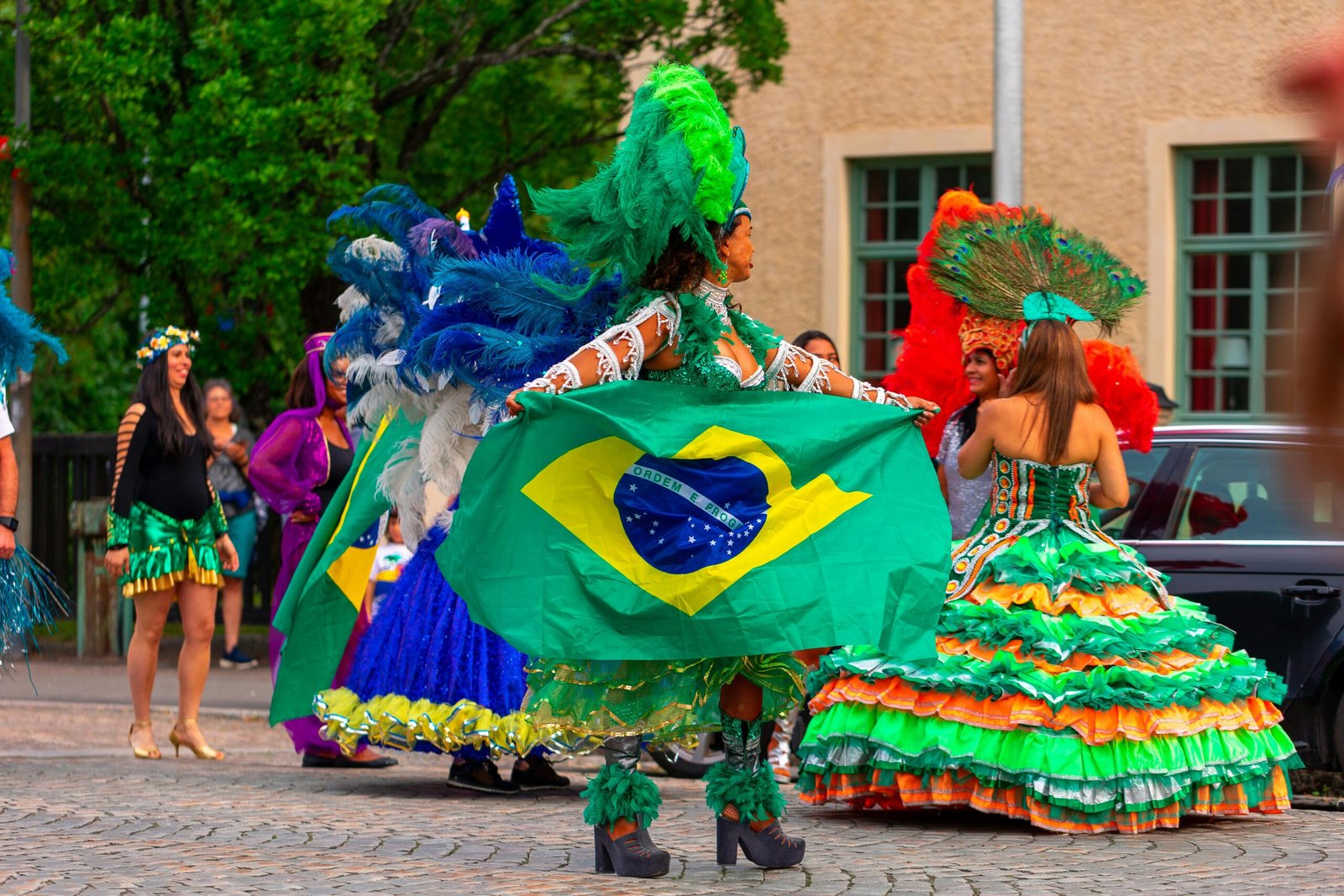
Brazilian music is a vibrant expression of the nation’s rich cultural tapestry, characterized by a diverse range of genres that have evolved over centuries. Predominant styles include samba, bossa nova, forró, and axé, each offering a unique glimpse into the traditions and histories of Brazil’s varied communities. Samba, perhaps the most iconic of these genres, originated in the Afro-Brazilian communities of Bahia and garnered popularity in Rio de Janeiro, particularly during the famed Carnival celebrations. Its infectious rhythms and lively dance styles exemplify Brazilian communal spirit and joy.
Bossa nova emerged as a mellow counterpart to samba, combining traditional Brazilian rhythms with jazz influences. This genre gained international acclaim through artists like Antônio Carlos Jobim and João Gilberto, whose harmonious melodies and subtle lyrics captivated listeners around the globe. The smoothness of bossa nova reflects a distinct cultural fusion, showcasing how Brazilian music can adapt and transform while honoring its roots.
Forró, on the other hand, is a folk music genre that thrives in the northeastern regions of Brazil. Characterized by its use of traditional instruments such as the accordion, zabumba, and triangle, forró captures the essence of rural life and festive gatherings, inviting dance and participation. Likewise, axé, which blossoms from the cultural resurgence of Salvador, Bahia, combines various styles, including Afro-Brazilian rhythms and pop, appealing greatly to younger generations.
Beyond mere entertainment, Brazilian music serves as a lens through which one can understand the nation’s history, identity, and social dynamics. The genre’s evolution results from a rich interplay of African, indigenous, and European influences, making it a true reflection of Brazil’s diversity. Ultimately, Brazilian music is not just about rhythm and melody; it represents a significant cultural heritage that continues to inspire and uplift listeners worldwide.

The Infectious Rhythms of Brazil
Brazilian music is renowned for its vibrant and lively rhythms that serve as the backbone to its diverse musical landscape. A unique blend of African, Portuguese, and Indigenous influences characterizes the rhythmic elements, establishing a musical spectrum that is both complex and accessible. The most notable feature of Brazilian music is its remarkable percussive instruments, such as the surdo, tamborim, and cuíca, which contribute to the infectious beats that invite listeners to dance.
The rhythms found in styles like Samba and Bossa Nova play a crucial role in creating moments of joy and celebration. For instance, Samba is synonymous with festive atmospheres, particularly during the famed Carnaval, where the genre’s driving beats amplify the excitement and energy of the celebrations. The syncopated patterns and lively tempo make Samba an irresistible invitation to join in and experience collective joy through movement.
Moreover, dance forms that accompany Brazilian music further enhance the captivating experience. Styles such as Forró, Axé, and Sertanejo integrate rhythmic elements with choreographed movements, establishing an atmosphere that fosters social connections and cultural expression. The infectious nature of these rhythms transcends barriers, uniting people from various backgrounds in a shared appreciation for the vitality of Brazilian music.
In essence, the infectious rhythms of Brazil are not merely auditory experiences; they evoke feelings of happiness and community. The interplay of percussive instruments and traditional dances creates a sonic landscape that elevates the spirit, making Brazilian music an essential part of celebrations and everyday life. This unique combination of elements illustrates why Brazilian music is so effective in lifting one’s mood and spreading joy across diverse audiences.
The Emotional Connection of Lyrics
The lyrics of Brazilian music encompass a rich tapestry of emotions, often reflecting themes of love, joy, and resilience. This intricate nature of the lyrics serves as a powerful vehicle for emotional expression, allowing listeners to connect deeply with the sentiments being conveyed. Many Brazilian songs articulate feelings of affection and happiness, creating an atmosphere that is both motivating and uplifting.
One prominent feature of Brazilian music is its ability to weave narratives that resonate with everyday experiences. Songs often celebrate both the beauty and complexity of relationships, infusing messages of hope and positivity into their verses. The use of vivid imagery and relatable emotions helps to establish a profound connection with the audience, making the music not just a form of entertainment but also a source of solace and inspiration.
Moreover, the infectious melodies that accompany the lyrics amplify their emotional impact. With genres such as samba and bossa nova, the rhythmic beats and harmonious sounds create an uplifting ambiance that perfectly complements the heartfelt words. This combination of evocative lyrics and engaging music leads to a vibrant listening experience that encourages mood enhancement. The celebration of resilience in Brazilian music, especially in the face of hardship, provides a sense of comfort and motivation, encouraging listeners to embrace joy and maintain hope.
Thus, the emotional depth embedded in the lyrics of Brazilian songs plays a crucial role in eliciting a positive response from listeners. By combining themes of love, joy, and strength with catchy melodies, Brazilian music cultivates an atmosphere where individuals can momentarily escape their worries and experience elation. This very connection is what makes Brazilian music transcend geographical boundaries, resonating with audiences around the world.
The Role of Community and Dance
Brazilian music serves as a powerful catalyst for bringing individuals together, fostering a sense of community that significantly enhances overall well-being. This cultural phenomenon is exemplified during grand events such as Carnaval, where people from various backgrounds converge to celebrate through vibrant music and collective dance. At Carnaval, participants not only express themselves but also become part of a larger community, which creates an uplifting atmosphere filled with joy and excitement.
The communal aspect of Brazilian music is deeply entrenched in its history, with roots tracing back to diverse influences, including African, Indigenous, and Portuguese traditions. These influences have shaped genres such as samba, forró, and axé, which thrive on interaction and togetherness. Whether at a local gathering or a national festival, the rhythms of Brazilian music encourage people to engage with one another, promoting a shared sense of happiness that is truly infectious.
Dance also plays a crucial role in this communal experience, as it provides an avenue for individuals to express their emotions and connect with others on a deeper level. The simple act of dancing in a group can evoke feelings of camaraderie and belonging, reinforcing the idea that music serves as a universal language. In essence, when people dance together, they build bonds that extend beyond mere entertainment; they cultivate friendships and strengthen community ties.
This communal experience is particularly significant in Brazilian culture, where the act of sharing music and dance is not only a celebration of life but also a remedy for the stresses of modern existence. By participating in these joyous events, individuals can momentarily escape their worries and embrace the rich tapestry of Brazilian culture. The happiness derived from communal music and dance is a testament to the power of human connection, making it an integral part of why Brazilian music is known to lift spirits.

Influence of Nature and Landscape
Brazil is renowned for its stunning natural beauty, characterized by lush rainforests, picturesque coastlines, and vibrant wildlife. This rich diversity of landscapes profoundly influences Brazilian music, creating a distinct auditory experience that resonates with both locals and international listeners. The sounds of nature, such as birdsong, flowing water, and rustling leaves, weave their way into songs, evoking a sense of tranquility and joy.
The rhythms found in Brazilian music reflect the pulse of life inherent in its surroundings. For example, the samba, deeply rooted in Brazilian culture, draws inspiration from the energy of the bustling streets and tropical landscapes. The syncopated rhythms mirror the natural unpredictability of Brazil’s environment, amplifying the mood-lifting qualities of the music. Furthermore, genres like bossa nova infuse soft melodies reminiscent of gentle ocean waves, fostering an atmosphere of relaxation and bliss.
Moreover, Brazilian composers often incorporate themes of environmental elements into their lyrics, celebrating nature’s splendor. These thematic elements not only showcase the country’s beauty but also convey a universal feeling of joy and happiness. Songs that evoke images of sun-kissed beaches, lush jungles, and colorful sunsets promote positive emotions, inviting listeners to escape into a world of rhythm and harmony.
As such, the intrinsic connection between Brazilian music and its breathtaking landscapes contributes significantly to the overall emotional experience it provides. This connection enables listeners to feel uplifted and connected to nature, making the genre particularly effective in elevating one’s mood. The essence of Brazil, encapsulated in its unique soundscape, ultimately inspires a sense of well-being and delight, further solidifying the transformative power of its music.
Music as a Means of Expression and Identity
Brazilian music embodies a rich tapestry of cultural narratives and individual expression, serving as a vital means through which individuals articulate their identities. The fusion of diverse musical styles, such as Samba, Bossa Nova, and Forró, not only reflects the complexities of Brazilian culture but also allows individuals to embrace and celebrate their heritage. By engaging with these musical genres, people can forge a connection to their roots, enhancing their self-image and fostering a sense of belonging.
Music in Brazil transcends mere entertainment; it emerges as an avenue for personal and communal expression. For many Brazilians, participating in musical traditions is a way to reclaim cultural narratives that may have been marginalized or forgotten. This process of engagement reinforces their identity and instills pride in their heritage. Such pride contributes significantly to overall well-being, as it empowers individuals to express themselves authentically and share their unique stories with the world.
The act of embracing one’s culture through music also promotes emotional well-being. Engaging with Brazilian rhythms and melodies can evoke feelings of joy, nostalgia, and connection to community, often resulting in a lifted mood. These shared experiences in musical gatherings further strengthen social bonds, allowing individuals to form relationships based on cultural appreciation and mutual respect, which is essential for mental health.
In summary, Brazilian music serves not only as a platform for artistic expression but also as a profound connector of personal and collective identity. Through embracing their musical traditions, Brazilians foster a positive self-image and enhance their overall well-being, making music an indispensable part of their cultural landscape.

Global Recognition and Impact
Brazilian music has garnered international recognition for its vibrant and diverse soundscapes, contributing significantly to the global music scene. Genres such as samba, bossa nova, and funk carioca have transcended national boundaries, captivating audiences worldwide. This cross-cultural exchange has cultivated a unique appreciation for Brazilian rhythms and melodies, often characterized by their infectious beats and joyful lyrics. The global influence of Brazilian music is evident in various other music styles, where elements of its sound have been integrated through collaborations with artists from different genres.
One of the remarkable aspects of Brazilian music is its ability to evoke feelings of happiness and celebration. As songs resonate with cultural pride and festive spirit, they have played an essential role in connecting people globally. Music festivals celebrating Brazilian culture, such as Carnival, have attracted visitors from all over the world, showcasing the universal appeal of these melodic forms. In this context, Brazilian music becomes more than just entertainment; it serves as a bridge that brings diverse audiences together, promoting cultural exchange and understanding.
The impact of Brazilian music can also be observed in its influence on international artists who incorporate Brazilian rhythms into their work. This has led to birthing hybrid genres that enrich the global music landscape, contributing to a broader sense of joy and unity among listeners. The accessibility of Brazilian music through streaming platforms has further amplified its reach, allowing anyone to experience the uplifting vibes that it offers. Thus, the global recognition of Brazilian music not only underscores its artistic value but also highlights its role in fostering a sense of happiness and connectivity across different cultures.
Personal Anecdotes and Testimonials
Many individuals have shared their personal experiences with Brazilian music, emphasizing its transformative power in elevating their spirits. One testimony comes from Maria, a Brazilian expatriate living in New York. She recounts how listening to samba and bossa nova reminds her of her childhood, dancing with family during festivals. “Whenever I play those songs,” she shares, “I can feel the warmth and joy of my home country, no matter where I am. It’s like an instant mood booster that transports me back to those carefree days.”
Similarly, John, a musician from the UK who discovered Brazilian sounds while researching world music, notes, “The first time I heard a lively bossa nova track, I couldn’t help but smile. The rhythm and melody just grabbed my attention, and I found myself tapping my feet. I’ve since created a playlist that I turn to whenever I’m feeling down, and it never fails to uplift my mood. There’s something about the harmony in Brazilian music that feels contagious.”
Another account from Sara, a busy corporate executive, highlights the role of Brazilian rhythms in her daily routine. “With my hectic lifestyle, it’s easy to feel overwhelmed. However, I’ve made it a habit to start my mornings with Brazilian music. It energizes me and sets a positive tone for my day. I’ve noticed that not only does it improve my mood, but it also enhances my productivity, making me feel more inspired.”
These personal stories underscore how Brazilian music resonates with individuals from diverse backgrounds, illustrating its unique ability to lift spirits and evoke cherished memories. The power of this genre lies not only in its catchy melodies but also in the deep emotional connections it fosters among listeners worldwide. The collective experiences highlight how Brazilian music serves as a universal remedy for melancholy, proving its status as a beacon of joy in people’s lives.
Conclusion: Embracing Brazilian Music in Your Life
As we have explored throughout this blog post, Brazilian music serves as a powerful vehicle for enhancing mood and promoting overall well-being. The infectious rhythms and uplifting melodies found in genres such as samba, bossa nova, and forró have proven effects on emotional health, helping to alleviate stress and increase levels of happiness. Integrating Brazilian music into your daily routine can transform mundane moments into joyful experiences.
By embracing Brazilian music, you open yourself to a rich tapestry of cultural expressions that resonate with various emotions. The lively beats often evoke a sense of celebration and unity, making it an ideal accompaniment to social gatherings, exercise routines, or even solitary moments of reflection. Just a few minutes of listening can lift your spirits and replenish your energy.
Furthermore, engaging with Brazilian music goes beyond mere enjoyment; it presents an opportunity to explore the diverse cultures and histories that shape its sound. Each song not only tells a story but also invites listeners to connect with the vibrant heritage of Brazil. Therefore, consider curating a playlist featuring both classic and contemporary Brazilian songs to immerse yourself in this enchanting world of sound.
In light of the benefits discussed, incorporating Brazilian music into your life is a simple yet effective approach to enhancing your mood and well-being. Whether you choose to listen during your commutes, at home, or while engaging in activities, Brazilian music can serve as a joyful soundtrack to your daily experiences. Embrace its rhythms and melodies to not only uplift your spirit but also enrich your life with the joyous essence of Brazil.




I appreciate your unique perspective on this.