Table of Contents
The Vibrant Cultural Mosaic of Brazil
Brazil’s art scene is a vivid reflection of its rich cultural history, characterized by a dynamic interplay of Indigenous, African, and European influences. These distinct yet interwoven elements create a unique cultural tapestry that transcends traditional artistic boundaries. The Indigenous cultures of Brazil, with their diverse traditions and practices, have laid a robust foundation for artistic expression. Their intricate designs and colors often inspire contemporary Brazilian artists, who reinterpret these motifs within modern contexts.
Similarly, African heritage plays a crucial role in shaping Brazil’s distinct artistic identity. Arriving mainly through the transatlantic slave trade, African cultures contributed a plethora of artistic traditions, including music, dance, and visual arts. The vibrancy of Afro-Brazilian art, with its pulsating rhythms and rich colors, showcases the resilience and creativity stemming from centuries of cultural fusion. Artistically, this influence is evident in everything from the famous Carnival celebrations to contemporary installations, where traditional African symbols merge with modern aesthetics.
European influences, introduced during the colonial period, further enriched Brazil’s cultural landscape. Artists trained in European techniques have fused classical elements with local themes, resulting in artworks that resonate with both local and global audiences. This blend of cultures fosters a sense of creativity and exuberance that is uniquely Brazilian. The ongoing dialogue between these diverse influences reflects Brazil’s continuous evolution, making its art scene one of the most vibrant and lively in the world.
The interplay of these varied influences cultivates an environment where artistic expression is not merely an individual pursuit but a communal celebration of identity and culture. This mosaic of influences contributes to the overall liveliness and creativity found in Brazilian art, inviting both locals and visitors to experience its playful essence.
Street Art: The Voice of the People
Brazil’s street art scene is a vibrant tapestry that reflects the nation’s rich cultural landscape and socio-political issues. Murals and graffiti thrive in urban environments, transforming drab walls into canvases for self-expression and social commentary. Artists often leverage these public spaces to address pressing social issues, including inequality, racism, and violence, making street art a crucial voice for the marginalized.
One of the most renowned figures in Brazilian street art is Eduardo Kobra, known for his large-scale, colorful murals that often celebrate Brazilian heritage while incorporating elements of social critique. His piece, “Ethnicities,” located in São Paulo, features portraits of indigenous people from different parts of the globe, reminding viewers of the importance of cultural diversity and unity. Similarly, the artist Os Gêmeos, a twin duo from São Paulo, is celebrated for their whimsical color palettes and surreal characters that often narrate compelling stories about everyday life and socio-political realities in Brazil.
Street art in Brazil not only beautifies the urban environment but also fosters dialogues within communities. Local artists often engage with residents, encouraging them to share their stories and perspectives, which subsequently informs the artwork. This interplay between artists and communities is crucial, as it cultivates a sense of belonging and empowerment among residents, allowing them to see their issues and experiences visually represented in their surroundings.
Additionally, Brazilian street art has gained international recognition, participating in festivals such as the Walls Festival in São Paulo and showcasing the nation’s artistic prowess on a global stage. As urban centers continue to evolve, the vibrant world of street art will remain a dynamic expression of Brazil’s cultural richness and an essential platform for advocacy and social change.
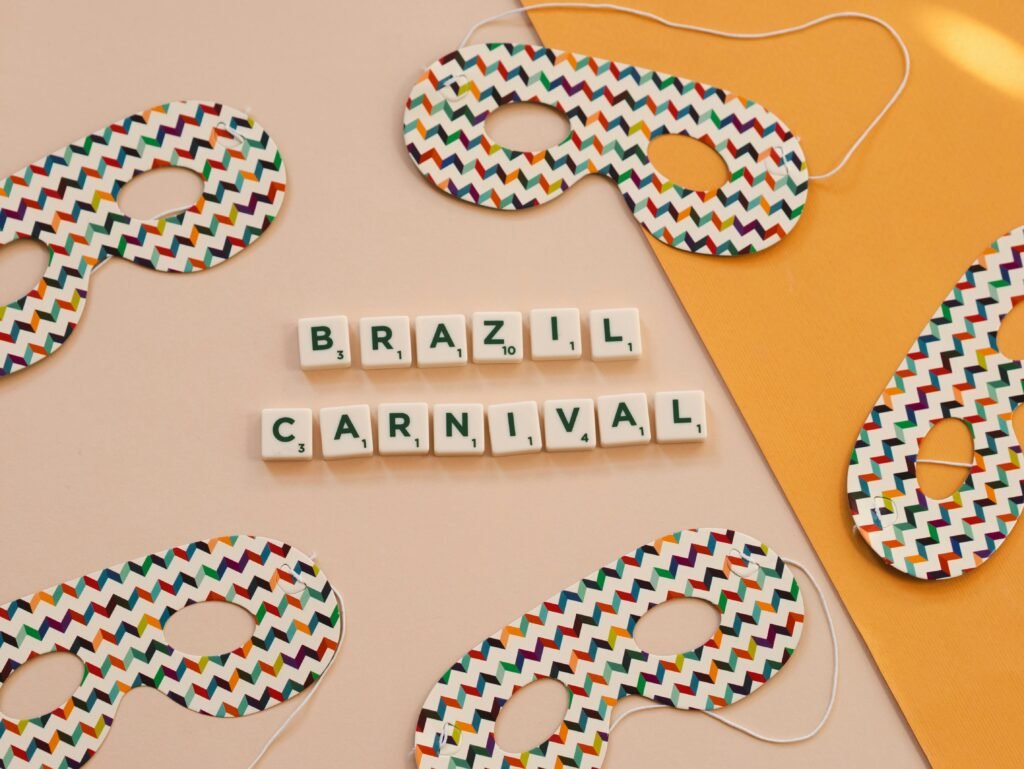
Carnival in Brazil, a vibrant festival celebrated annually, serves as a powerful catalyst for creativity and artistic expression. This grand event, characterized by its lively parades, extravagant costumes, and infectious music, is more than just a celebration; it is a profound manifestation of Brazilian identity and culture. The spirit of Carnival permeates various art forms, inspiring artists to explore themes of joy, community, and an exuberant take on life itself.
The influence of Carnival on Brazilian art can be seen in the artworks that emerge in the months leading up to the celebration. Artists often draw inspiration from the festivity’s rich traditions, dynamism, and the unyielding vibrancy that defines the festival. Visual arts, including painting and sculpture, frequently utilize bold colors and playful forms that reflect the ephemeral yet striking nature of Carnival. Such works capture the atmosphere of togetherness and exuberance that Carnival embodies, encouraging viewers to engage with the art and feel the festive pulse of Brazilian culture.
Moreover, the impact of Carnival extends beyond the visual arts, deeply influencing performing arts such as music and dance. Brazilian music genres, including samba and axé, thrive on the festive spirit of Carnival, inherently connected to the rhythms and sounds that define the celebration. These art forms interweave with visual elements, creating a multidimensional experience that speaks to the heart of Brazil’s artistic community. Artists are inspired to break conventional boundaries, fusing various styles and techniques to convey both the playful nature of Carnival and the societal narratives surrounding it.
In conclusion, Carnival stands as a vital force in shaping the Brazilian art scene, encapsulating the playful, dynamic essence of the culture. Through its influence, artists are continually inspired to create works that celebrate life, community, and the joyous spirit of this remarkable festival.
Playfulness in Contemporary Art
Brazil’s contemporary art scene is characterized by an extraordinary sense of playfulness that has captivated audiences both at home and abroad. Many Brazilian artists reflect this joyous spirit through their works, employing humor, whimsy, and unconventional materials to create a vibrant tapestry of expressions. This playful approach often serves as an antidote to the socio-economic challenges faced by many in the country, utilizing art as a form of resistance and resilience that engages viewers effectively.
One essential aspect of playfulness in Brazilian art is the incorporation of humor. Artists such as Os Gêmeos and Vik Muniz exemplify this trend by transforming everyday experiences into art that encourages laughter while inviting contemplation. Os Gêmeos, renowned for their colorful murals, often depict quirky narratives that resonate with urban life and Brazilian culture. Their work not only delights passersby but also fosters a sense of community, creating moments of shared joy amongst viewers.
Moreover, contemporary Brazilian artists frequently utilize unconventional materials, further enhancing the sense of play inherent in their work. This innovative use of mediums—ranging from recycled objects to fabric—allows for the exploration of ideas that resonate with audiences on various levels. For instance, artist Rivane Neuenschwander traditionally incorporates everyday items into her installations, challenging norms and inviting audience interaction. This integration of tactile and visual elements serves to create immersive experiences that stimulate curiosity and spark joy.
In conclusion, contemporary Brazilian artists embody a spirit of playfulness that invites viewers to engage with their creations on multiple levels. By weaving humor, whimsy, and unconventional materials into their work, they cultivate a sense of joy and connection within the art community, ultimately making Brazil’s art scene a true celebration of life.
Community Art Initiatives and Collaborations
Brazilians are known for their vibrant and interactive art scene, characterized largely by grassroots art initiatives and community collaborations that foster a unique sense of belonging. These programs allow individuals from diverse backgrounds to come together, creating a lively tapestry of artistic expression that reflects the heart and soul of Brazilian society. Through a combination of local participation and artist-led projects, community art initiatives serve as a platform for dialogue, cultural exchange, and creativity.
One notable example is the role of street art in urban areas, where artists work together to transform public spaces with murals that tell stories relevant to their communities. These collaborative artworks often stem from joint efforts between local artists and community members, aiming to address social issues and celebrate cultural heritage. The result is a colorful, dynamic environment that not only beautifies neighborhoods but also engages the community by inviting them to partake in the creative process.
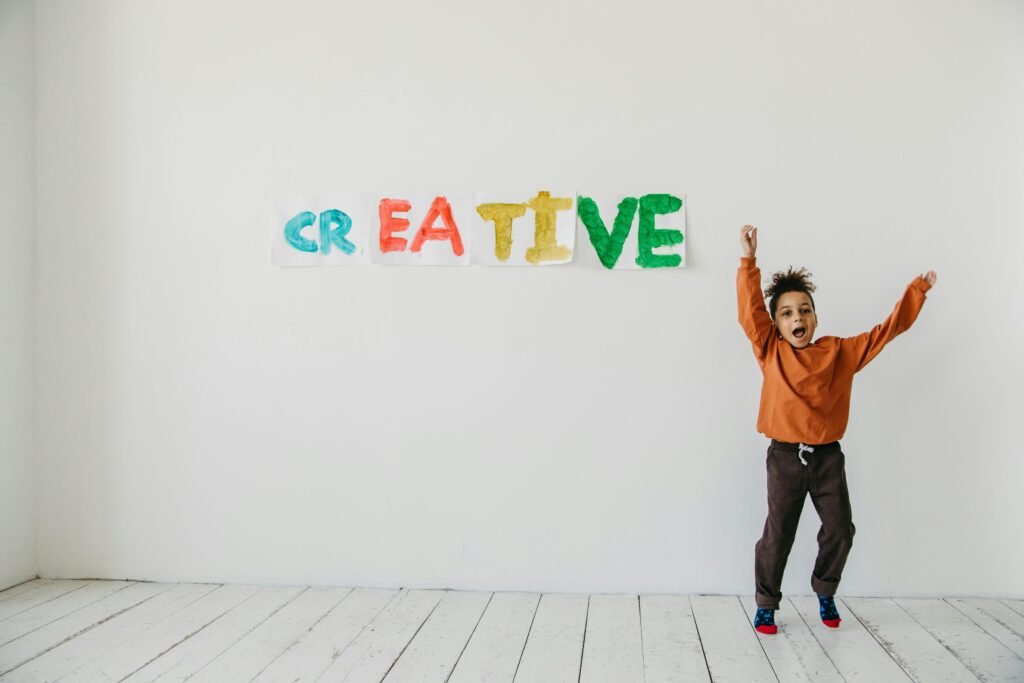
Participatory art practices, such as workshops and collaborative installations, emphasize inclusivity and communal interaction. For instance, initiatives that involve local schools and youth organizations empower younger generations to express themselves through art while fostering a sense of ownership over their neighborhoods. This shared experience cultivates mutual respect and strengthens the bonds between artists and residents, ultimately enhancing the individuality and playful spirit of art in Brazil.
Furthermore, cultural festivals often highlight these collaborative endeavors, providing a platform for artists to showcase their work and for community members to interact with the art and each other. Events such as these illustrate how art not only serves as a reflection of society but also as a catalyst for social change, community pride, and an ongoing outreach of creativity. Overall, grassroots initiatives in Brazil exemplify the essential role that community plays in the artistic landscape, making the art scene feel alive and perpetually engaging.
The Influence of Brazilian Music and Dance
The relationship between Brazilian music, dance, and the visual arts is profoundly intertwined, fostering a dynamic cultural landscape that resonates with energy and vibrancy. Brazilian music genres such as samba, bossa nova, and forró are not merely auditory experiences; they evoke an emotional and physical response that encourages movement and expression. As artists engage with these musical forms, the rhythmic structures and melodic narratives inherent in the music influence their creative processes, driving them to experiment with shapes, colors, and patterns that embody the lively spirit of Brazil.
Dance, particularly in Brazil, serves as both a cultural tradition and an innovative art form. From the sweeping motions of the samba to the intricate steps of capoeira, dance represents cultural narratives that reflect historical influences and contemporary realities. The embodying nature of dance, which emphasizes fluidity and motion, allows visual artists to explore concepts of movement within their work. This interplay informs a multitude of artistic expressions, where canvases may pulsate with vibrant colors mirroring the liveliness of a dance floor, or sculptures might capture the essence of a dancer in motion.
The infusion of music and dance into the art scene fuels the playful experimentation that characterizes contemporary Brazilian art. An artist’s response to the sounds and movements around them often leads to collaborative projects that blur the lines between disciplines. The playful energy found in such collaborations often results in art installations that invite public interaction, embodying the collective spirit of Brazilian culture. This celebratory atmosphere surrounding artistic creation bleeds into the work itself, establishing a sense of community and belonging that reinforces Brazil’s distinctive cultural identity.
Nature as Inspiration: Brazil’s Diverse Landscapes
Brazil is renowned for its remarkable and diverse landscapes, which have profoundly influenced its art scene. From the Amazon rainforest, with its lush greenery and extraordinary biodiversity, to the stunning beaches of the Atlantic coast, each natural setting serves as a rich source of inspiration for local artists. The vibrant colors, unique forms, and dynamic ecosystems found across the country create a backdrop that is often reflected in their works, making nature a fundamental aspect of Brazilian artistic expression.
This connection to the natural world is vital for many Brazilian artists who seek to celebrate and highlight the themes of biodiversity and sustainability in their art. The Amazon rainforest, for example, is not only a haven for wildlife but also for artistic innovation. Many artists incorporate materials sourced from their surroundings, blending traditional techniques with contemporary styles. Through their art, they advocate for environmental consciousness, showcasing the importance of preserving their homeland’s natural heritage.
The mountainous terrain, coastal areas, and vibrant flora and fauna of Brazil allow artists to explore various forms of creativity. This results in a thriving art scene where they explore playful and imaginative themes that often convey messages of coexistence with nature. Merging elements from their cultures with environmental themes, Brazilian artists create immersive experiences that invite viewers to contemplate humanity’s relationship with the earth. Their imaginative works inspire dialogue around environmental issues, ultimately fostering a deeper appreciation of Brazil’s landscapes.
In summary, Brazil’s diverse ecosystems not only sculpt the physical environment but also actively influence the country’s artistic landscape. This spirited interplay between nature and creativity leads to a vibrant art scene that is infused with a sense of life and playfulness, urging both artists and audiences to cherish and protect the natural world.
The vibrant art scene in Brazil is significantly bolstered by a strong focus on art education and increasing accessibility for all individuals, particularly the youth. Art education plays a crucial role in fostering creativity, enabling young people to explore their artistic talents and express themselves through various mediums. Schools and community centers across Brazil have adopted inclusive curricula that emphasize artistic expression as a fundamental component of overall education.
In urban and rural areas alike, schools often incorporate art programs that encourage students to engage with their cultural heritage and develop new skills. These programs are designed to cultivate an appreciation for the arts, allowing children to express their emotions and ideas in a supportive environment. Furthermore, by integrating local artists into educational frameworks, students gain firsthand insights into contemporary artistic practices and traditions, thus fostering a deeper connection to their community.
Community centers also play a pivotal role in promoting art accessibility, often offering free or low-cost workshops that cater to diverse populations. These initiatives help bridge socioeconomic divides, ensuring that children from all backgrounds have opportunities to engage with art. Programs designed for at-risk youth, for instance, provide safe spaces where children can explore their creativity, learn new techniques, and connect with peers who share similar interests. By nurturing artistic talents and encouraging collaboration, these community initiatives not only enrich individual lives but also contribute to the vibrancy of Brazil’s culture as a whole.
Overall, the commitment to art education and accessibility in Brazil empowers the next generation to not only participate in the artistic landscape, but also to contribute to it meaningfully. Such engagement ensures that art remains a playful and integral part of society, reflecting the dynamic spirit of Brazilian culture.
Conclusion: Embracing Playfulness as an Artistic Ethos
In exploring the vibrant landscape of Brazil’s art scene, it becomes evident that the spirit of playfulness greatly enriches its cultural fabric. This playful energy manifests in various artistic expressions, from colorful street murals to innovative performances, demonstrating a deep connection between Brazil’s historical context and its contemporary artistic practices. The ability of artists to embrace humor, spontaneity, and creativity not only reflects their cultural heritage but also serves as a vital tool for social commentary.
Central to this analysis is the understanding that playfulness in art is not merely a surface-level attribute. Rather, it embodies a profound ethos that encourages freedom of expression and experimentation. Through collaboration and interaction, Brazilian artists foster an atmosphere where traditional boundaries of art are challenged and redefined. This disposition enhances the sense of community and inclusion, inviting broader audiences to engage with art in a manner that is both accessible and enjoyable.
This nuanced approach to creativity highlights the Brazilian spirit, where resilience and joy coexist. It illustrates how art can serve as a means of coping with societal challenges while celebrating the dynamic nature of life. Consequently, the playful aspect of Brazil’s art scene is not only an integral part of its identity but also a reflection of the nation’s collective ethos. The encouragement of playfulness within artistic practice allows for a continuous transformation of ideas, fostering innovation and inspiring future generations of artists.
Ultimately, by embracing playfulness as a central tenet, Brazil’s art scene stands as a testament to the power of creativity. It invites an exploration of what it means to be human in a world full of complexities, allowing both artists and audiences to find joy in artistic endeavors that resonate on multiple levels.